

Are you tired of struggling to grow juicy, flavorful tomatoes in your garden? Picture this: you’ve carefully planted tomato seeds, but they never seem to thrive as expected. What if I told you there’s a simple way to ensure your tomato plants flourish from the very start? In this article, I’ll show you the essential steps to properly plant tomato seeds and set them up for success.
Key Takeaways
- Choosing the Right Tomato Seeds: Opt for high-quality seeds that suit your climate and gardening preferences.
- Timing is Key: Start tomato seeds indoors 6-8 weeks before the last frost date to allow seedlings to develop.
- Proper Soil Preparation: Choose a sunny location with well-draining soil, clear debris, loosen soil, and add compost for fertility.
- Planting Process Steps: Select quality seeds, prepare containers with proper mix, plant seeds correctly, provide adequate light and moisture levels.
- Aftercare & Maintenance: Keep soil moist but not waterlogged, fertilize appropriately, monitor pests/diseases, and take preventive measures.
Understanding the Basics of Tomato Planting
When it comes to planting tomato seeds, understanding the fundamentals is crucial for a successful harvest. Here’s what you need to know:
Choosing the Right Tomato Seeds
Selecting the right tomato seeds sets the foundation for a bountiful crop. Opt for high-quality seeds from reputable suppliers or trusted sources. Look for varieties that suit your climate and gardening preferences, whether you prefer cherry tomatoes, heirloom varieties, or determinate types.
The Best Time to Plant Tomato Seeds
Timing is key when planting tomato seeds. Aim to start your seeds indoors 6-8 weeks before the last frost date in your area. This allows ample time for seedlings to develop before transplanting them outdoors once the soil has warmed up. By aligning your planting schedule with local weather conditions, you give your tomato plants the best chance to thrive.
Preparing for Planting
To ensure successful tomato seed planting, you need to prepare adequately. Here’s how you can get ready step by step:
Recommended Products

Miracle-Gro Indoor Potting Mix for Seed Starting grows stronger roots for seeding success (vs unfed when used as directed)

EASIER SEED STARTING: Our Burpee SuperSeed tray with 36 flexible pop-out cells is designed to simplify indoor seed starting for all your favorite vegetables, flowers and herbs. Just add seed starting mix, seeds, water and light to get growing! Rows are labeled alphanumerically for seedling identification with included Plant-o-Gram diagram. Tray dimensions: 11.5" x 10-3/8" x 2-1/4"

Includes Back to the Roots Compressed Seed Starting Potting Mix that expands to 12qt of soil. A balanced pH, which means it’s truly all-purpose. Use alone or as an amendment for anything in a pot or in the ground — vegetables, flowers, herbs, and even starting seeds.
Gathering Necessary Supplies
Gather the following supplies before starting your tomato seed planting journey:
- High-quality tomato seeds suitable for your climate.
- Seed trays or containers with drainage holes.
- Seed starting mix or potting soil.
- Watering can or spray bottle for watering.
- Labels to identify different tomato varieties.
Preparing the Soil
Follow these steps to prepare the soil for optimal growth:
- Choose a sunny location with well-draining soil.
- Clear any debris and weeds from the planting area.
- Loosen the soil to a depth of about 12 inches using a garden fork or tiller.
- Incorporate organic matter like compost to improve soil fertility.
By gathering the necessary supplies and preparing the soil correctly, you’ll set yourself up for success in planting flavorful tomatoes in your garden.
The Planting Process
Starting the planting process for your tomato seeds is an exciting journey that requires attention to detail and proper care. Here’s a step-by-step guide to help you ensure successful growth and bountiful harvest of delicious tomatoes.
Recommended Products

EASIER SEED STARTING: Our Burpee SuperSeed tray with 8 extra-large flexible pop-out cells is designed to simplify indoor seed starting. Just add seed starting mix, seeds, water and light to get growing! Perfectly sized for starting seeds in the windowsill: 11.5" x 5-3/16" x 2-1/4". Rows are labeled alphanumerically for seedling identification with included Plant-o-Gram diagram.
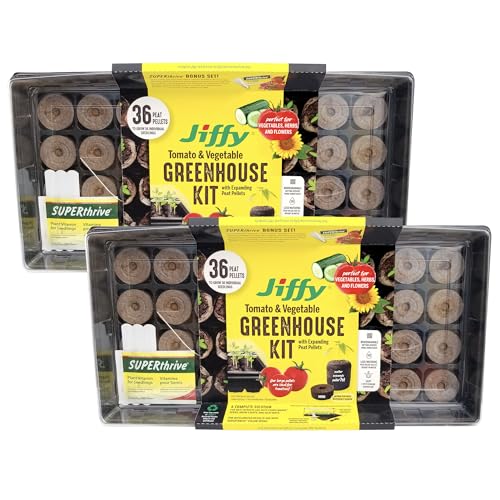
COMPLETE SEED STARTING KIT: Includes two humidity domes, two 36-cell trays with 50mm peat pellets—perfect for starting tomatoes, peppers, herbs, and other vegetables.

Step-by-Step Guide to Planting Tomato Seeds
- Select Quality Seeds: Begin by choosing high-quality tomato seeds from reputable suppliers or nurseries. Opt for varieties that suit your climate and gardening goals.
- Prepare Seed Starting Containers: Fill small containers with seed-starting mix or a combination of soil, peat, and perlite. Ensure the containers have drainage holes at the bottom.
- Plant the Seeds: Create small indentations in the soil mix using your finger or a pencil. Place 2-3 seeds in each indentation, cover them lightly with soil, and gently water them.
- Provide Adequate Light: Place the containers in a warm location with plenty of sunlight or under grow lights if starting indoors. Tomatoes require around 6-8 hours of direct sunlight daily.
- Maintain Moisture Levels: Keep the soil consistently moist but not waterlogged. Water from the bottom to prevent disturbing the seeds, and use a spray bottle for gentle watering.
- Monitor Germination: Tomato seeds typically germinate within 5-10 days when kept at optimal temperatures (70-80°F). Once sprouted, thin out weaker seedlings to leave only the strongest one per container.
- Transplant Seedlings: When seedlings have developed their first set of true leaves, transplant them into larger containers with rich potting soil to support their growth.
- Overwatering: Resist the urge to overwater your tomato seeds as it can lead to damping off (a fungal disease) and root rot.
- Insufficient Light: Inadequate light can result in leggy seedlings that are weak and prone to diseases.
- Improper Temperature Control: Fluctuating temperatures can hinder germination or cause poor growth outcomes.
4..Crowded Seedlings: Planting too many seeds close together can lead to competition for resources and stunted growth.
5..Using Poor-Quality Soil: Low-quality soil lacks essential nutrients needed for healthy seedling development.
Aftercare and Maintenance
Now that you’ve successfully planted your tomato seeds, it’s crucial to provide proper aftercare and maintenance to ensure healthy plant growth. Here are essential steps to help you nurture your tomato plants effectively.
Recommended Products
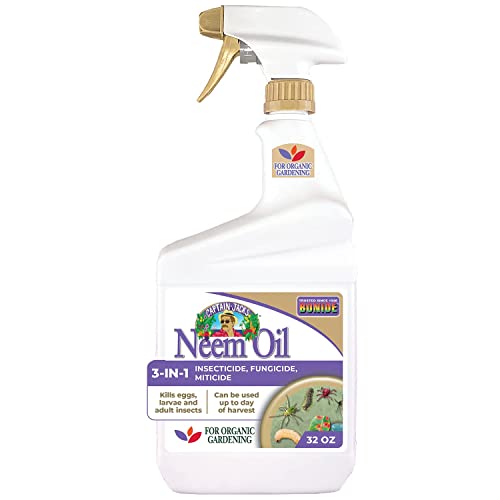
Protect your oasis with 3 garden products in 1 from Captain Jack’s; Bonide Captain Jack’s Ready-to-Use Neem Oil spray for plants is a multi-purpose fungicide, insecticide and miticide for your lawn & garden

Gentle Plant Wash Made with Neem Oil & Peppermint Oil

BEST PURE NEEM OIL FOR PLANTS: Neem Oil Concentrate serves as the ideal neem oil spray for both indoor and outdoor ornamental plants. Crafted from 100% cold-pressed, top-notch organic neem oil, it provides your plants with the essential elements for a lustrous sheen
Watering and Feeding Your Tomato Plants
Watering: Keep the soil consistently moist but not waterlogged. Ensure thorough watering as needed, allowing the top inch of soil to dry out between watering sessions. Overwatering can lead to root rot, while underwatering can cause stress on the plants.
Feeding: Fertilize your tomato plants with a balanced fertilizer once they have developed their first set of true leaves. Consider using a slow-release organic fertilizer or a liquid fertilizer diluted according to the manufacturer’s instructions. Avoid excessive nitrogen as it can promote foliage growth at the expense of fruit production.
Managing Pests and Diseases
Pests: Monitor your tomato plants regularly for signs of common pests such as aphids, hornworms, or whiteflies. Use natural remedies like neem oil spray or insecticidal soap to control infestations without harming beneficial insects like bees.
Diseases: Prevent diseases like blight or powdery mildew by spacing plants adequately for air circulation, avoiding overhead watering that wets the foliage, and removing any infected plant parts promptly. Consider applying copper fungicides preventatively following manufacturer guidelines.
Conclusion
You’ve now learned the essential steps for properly planting tomato seeds to set yourself up for success. By selecting quality seeds, starting them indoors, and following the right techniques, you’re on your way to growing flavorful tomatoes. Remember, aftercare is crucial for healthy plant growth. Ensure your plants receive proper watering, feeding, and protection from pests and diseases. With these tips in mind, you’ll soon be enjoying a bountiful harvest of delicious homegrown tomatoes. Happy gardening!
Frequently Asked Questions
How can I grow flavorful tomatoes successfully?
To grow flavorful tomatoes, start by selecting quality seeds, starting them indoors, and transplanting them carefully. Ensure proper watering, feeding, and sunlight exposure for healthy growth.
What are the common pitfalls to avoid when planting tomato seeds?
Avoid overwatering or underwatering your tomato plants. Plant them in well-draining soil with adequate sunlight. Prevent overcrowding and provide support as they grow.
How should I care for my tomato plants after planting the seeds?
Care for your tomato plants by maintaining consistent watering schedules, providing necessary nutrients through fertilization, monitoring for pests and diseases regularly, and addressing any issues promptly.
What measures can I take to ensure healthy growth of my tomato plants?
Ensure healthy growth by practicing crop rotation yearly to prevent soil depletion, using organic fertilizers responsibly, implementing pest control methods like companion planting or organic sprays, and monitoring plant health vigilantly.
