

Ever wondered why your carrot tops seem to have a mind of their own, growing wilder by the day? Picture this: you plant those vibrant orange carrots with dreams of a bountiful harvest, only to find their leafy greens taking over the garden instead. Fret not, as we’ve got your back! In this article, we’ll unravel the secrets to taming those unruly carrot tops and reclaiming your garden oasis.
Are you ready to bid farewell to the jungle of carrot greens and hello to neatly trimmed rows of flourishing veggies? Say goodbye to the frustration of out-of-control foliage and hello to a thriving garden that’s as tidy as it is fruitful. Get ready to unlock the tips and tricks that will empower you to master the art of controlling carrot top growth like a seasoned gardener.
Understanding Carrot Top Growth
Most gardeners may find carrot top growth to be an ongoing battle during the growing season. It’s essential to comprehend the factors dictating this rapid growth to effectively manage your garden oasis.
What Influences Carrot Top Growth
- Sunlight: Carrot tops flourish in sunlight, so partial shade can help limit their growth.
- Soil Nutrition: Rich soil may contribute to vigorous top growth, so regulate fertilizer for balance.
- Watering: Overwatering can accelerate top growth, so manage watering frequency.
Managing Carrot Top Growth
- Thinning: Gently thin out excess carrot tops to allocate nutrients efficiently.
- Regular Pruning: Consistent pruning encourages carrot roots to strengthen instead of focusing on top growth.
- Companion Planting: Planting garlic or onions near carrots can deter excessive top growth.
- Soil Quality: Ensure well-draining soil to prevent moisture retention that fuels top growth.
- Consistent Care: Regularly monitor your carrot patch to catch and address overgrowth early.
- Harvest Timely: Harvesting carrots at the right time can limit the resources allocated to top growth.
| Key Takeaways | |
|---|---|
| Sunlight | Partial shade can limit carrot top growth. |
| Soil Nutrition | Control fertilizer to regulate top growth. |
| Watering | Manage water to avoid overstimulating top growth. |
Recommended Products

· ULTRA-SHARP SK5 STAINLESS STEEL - Engineered with premium SK5 stainless steel, these heavy duty pruning shears deliver razor-sharp precision and maximum hardness. The rust-resistant blades are designed to stay sharp longer, effortlessly resisting corrosion and sap buildup for smooth, friction-free garden shears performance year after year.

Precision 1.75" Curved Blade for Detailed Cutting – Needle-nose curved blade design provides exceptional control for pruning in tight spaces, making it ideal for harvesting grapes, trimming herbs, thinning fruit, and deadheading delicate flowers.

GARDENING ESSENTIAL: Steel blade micro-tip plant shears with sheath ideal for pruning flowers, herbs, and more to encourage overall lawn and garden health
Reasons for Uncontrolled Growth
When managing carrot top growth, understanding the reasons for its unruly nature is crucial. Here are some common factors contributing to uncontrolled growth:
- Lack of Thinning: Not thinning out seedlings properly can lead to overcrowding, resulting in competition for nutrients and space.
- Improper Watering: Inconsistent or inadequate watering can stress the plants, leading to rapid, unregulated growth.
- Overfertilization: Excessive use of fertilizers can cause carrot tops to grow vigorously without proper control.
- Inadequate Sunlight: Carrots need at least 6 hours of sunlight daily. Insufficient sun exposure can trigger leggy growth.
- Poor Soil Quality: Compacted or poor-quality soil can hinder root development, pushing the plant to focus on top growth.
Understanding these reasons can help you implement effective strategies to manage and control the growth of your carrot tops.
Importance of Managing Carrot Tops
Wondering why it’s crucial to keep a close eye on your carrot tops? Let’s delve into the significance of managing their growth effectively.
- Prevent competition: By controlling the growth of your carrot tops, you ensure that they don’t overshadow and compete with the carrot roots for crucial resources like water and nutrients.
- Promote root development: Managing the top growth encourages the carrots to focus their energy on developing robust and flavorsome roots, leading to a bountiful harvest.
- Avoid bolting: Properly managing the carrot tops can help prevent premature bolting, ensuring that your carrots remain tender and tasty for a longer period.
| Key Points | |
|---|---|
| Competition | Avoid |
| Root Development | Promote |
| Bolting Prevention | Ensure |
Ready to take control of your carrot tops? Keep reading for actionable tips on how to effectively manage their growth.
Techniques for Controlling Growth
When it comes to controlling carrot top growth, there are a few effective techniques you can implement in your gardening routine. Here are some practical tips for managing the growth of your carrot tops:
- Regular Trimming: To keep carrot tops in check, make sure to trim them regularly. This helps redirect the plant’s energy towards root development.
- Thinning: Consider thinning out your carrot seedlings to allow for adequate spacing. This prevents overcrowding, which can lead to competition for essential nutrients.
- Mulching: Applying a layer of mulch around the base of your carrot plants can help regulate soil temperature and moisture, leading to healthier root growth.
- Proper Watering: Ensure your carrot plants receive consistent watering. Inconsistent watering can stress the plants and impact overall growth.
- Feeding: Providing a balanced fertilizer can support healthy foliage without promoting excessive top growth.
- Monitoring: Keep a close eye on your carrot tops to catch any signs of bolting early on. Prompt action can help mitigate the risk of premature flowering.
By incorporating these techniques into your carrot growing regimen, you can effectively manage top growth and cultivate a healthy crop of delicious carrots. Up next, we dive into more specific tips for mastering the art of carrot top control.
Recommended Products

HELPING YOU GARDEN BETTER: Get ready for a huge harvest from your vegetable garden! Inspired by the Square Foot Gardening method, our patented seed-spacing template is fun for all ages and experience levels.

🌱Durable Material: The whole body of the plant transplanting tongs is made of high-quality stainless steel, easy to clean and does not rust, very durable.

PRECISION SEED SPACING TOOL The Plant Ruler helps gardeners create evenly spaced planting rows for seeds and seedlings, supporting healthier root development and organized vegetable gardens.
Maintaining Healthy Carrot Plants
When it comes to Maintaining Healthy Carrot Plants, there are several key practices you should integrate into your gardening routine to ensure thriving growth and a bountiful harvest. Here are some essential tips to keep your carrot plants in top shape:
- Consistent Watering: Ensure your carrot plants receive even and consistent watering to prevent the roots from becoming tough or cracking. Aim for about 1 inch of water per week, either through rainfall or manual watering.
- Weed Control: Regularly weed around your carrot plants to reduce competition for nutrients in the soil, allowing your carrots to thrive without any hindrances.
- Protect from Pests: Monitor your plants for any signs of pests, such as carrot rust flies or aphids, and take prompt action to protect your crop from damage.
- Thin Seedlings: Thinning seedlings is crucial to allow adequate space for the carrots to grow properly. Aim to have a carrot plant every 3 inches for optimal growth.
- Mulching: Consider mulching around your carrot plants to help maintain soil moisture, suppress weeds, and provide insulation to the roots during extreme temperatures.
- Feeding Schedule: Implement a balanced feeding schedule to ensure your carrot plants receive the necessary nutrients for healthy growth. Consider a fertilizer low in nitrogen to promote root development.
- Regular Monitoring: Frequently monitor your carrot plants for any signs of deficiencies, disease, or bolting to address issues promptly and maintain plant health.
Recommended Products
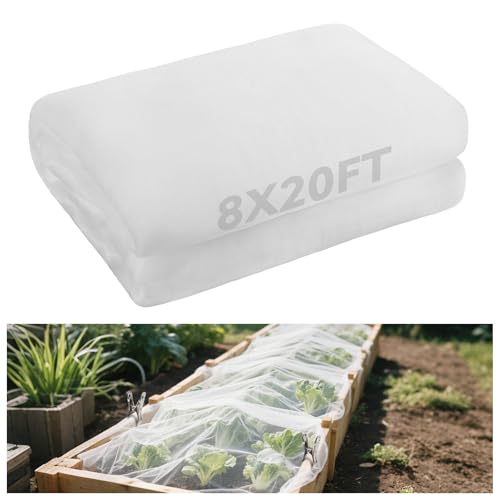
Package Information: The package includes 1 pack of 8 x 20ft garden netting, suitable for a greenhouse and a large garden. The large size will cover the plants in your garden well. Tip: Only garden netting is included, not poles.

1. Fortify Your Garden Fortress: Say goodbye to pesky pests and unwanted critters! Our 4'x10' Plant Netting Pest Barrier acts as a sturdy shield, protecting your precious plants from insects, birds, and other garden invaders. It's like having a fortress around your garden beds, ensuring your plants thrive and flourish.

Ultra-Fine Mesh Netting: Large Size 2pack 10x33 Feet provide more security, Ultra Fine Garden Netting has a 0.04in ultra-fine mesh, It also allows sunlight | artificial light as well as air and rain to pass through. Light material, no burden for plant buds. Provide healthy growth environment for plants. Tip:(Not two packages, it's one package with two 10*33FT garden nets inside)
Conclusion
Ensuring your carrot plants thrive is key to a bountiful harvest. By incorporating essential practices like consistent watering, weed control, pest protection, proper spacing, mulching, balanced feeding, and regular monitoring, you set the stage for healthy growth and flavorful carrots. Stay diligent in your gardening routines to prevent issues and promote strong, robust plants. Remember, a little care goes a long way in nurturing your carrot crop to its full potential. Happy gardening!
Frequently Asked Questions
How often should I water my carrot plants?
Water your carrot plants consistently, aiming to keep the soil evenly moist but not waterlogged. Avoid underwatering to prevent tough roots.
Why is weed control important for carrot plants?
Weed control is crucial to reduce competition for nutrients, water, and sunlight, ensuring that carrot plants receive the resources needed for healthy growth.
How can I protect my carrot plants from pests like carrot rust flies?
Protect your carrot plants from pests like carrot rust flies by using row covers or companion planting with insect-repelling herbs like cilantro or dill.
Why is thinning seedlings necessary for carrot plants?
Thinning seedlings ensures proper spacing for carrot growth, preventing overcrowding and allowing each plant to develop a well-formed root.
How does mulching help carrot plants?
Mulching helps carrot plants by retaining moisture in the soil, reducing weed growth, and maintaining more consistent soil temperatures.
What is a balanced feeding schedule for carrot plants?
Implement a balanced feeding schedule for carrot plants by providing a complete fertilizer with necessary macro and micronutrients throughout the growing season.
Why is regular monitoring important for carrot plants?
Regular monitoring helps gardeners detect nutrient deficiencies, diseases, and issues like bolting early, allowing for timely interventions to maintain plant health and productivity.
