

Ever wondered how to supercharge your carrot growth? Imagine a lush garden brimming with vibrant orange carrots, straight from your backyard. Picture the satisfaction of growing your own produce. But what if you could take it a step further? What if there was a secret potion, a compost tea, that could transform your carrots into flourishing wonders?
You’re not alone in seeking the best for your crops. Many gardeners face the challenge of maximizing growth potential. With the impact of compost tea on carrot growth, you’re about to uncover a natural solution that could revolutionize your gardening game. This article delves into the benefits of compost tea, offering insights that can elevate your gardening experience to new heights. Ready to witness the magic unfold in your very own garden?
Understanding Compost Tea
What is Compost Tea?
Compost tea is a nutrient-rich liquid fertilizer created by steeping compost in water. It serves as a natural, organic supplement for plant growth.
How is Compost Tea Made?
- Place compost in a mesh bag or directly in water.
- Let it steep for 24-48 hours, stirring occasionally.
- Strain the mixture to remove solid particles.
- Dilute and apply the tea to the soil around your plants.
Why Use Compost Tea?
- Boosts Soil Health: Improves soil structure and enhances microbial activity.
- Nutrient Absorption: Provides essential nutrients directly to plant roots.
- Pest and Disease Resistance: Strengthens plants’ natural defenses.
When to Use Compost Tea?
- Early Growth Stages: Kickstart seedlings with a nutrient boost.
- Throughout Growing Season: Maintain plant health and vitality.
- After Harvest: Replenish nutrients for the next crop.
- Increased Nutrient Uptake: Carrots absorb nutrients more efficiently.
- Enhanced Soil Quality: Promotes healthier root development.
- Natural Pest Control: Helps deter common carrot pests.
Remember, understanding the basics of compost tea can significantly impact the growth and health of your carrot plants.
Recommended Products

Brew compost tea and worm casting tea for organic gardening

Easy to clean, easier to use! Made by a gardener for gardeners.
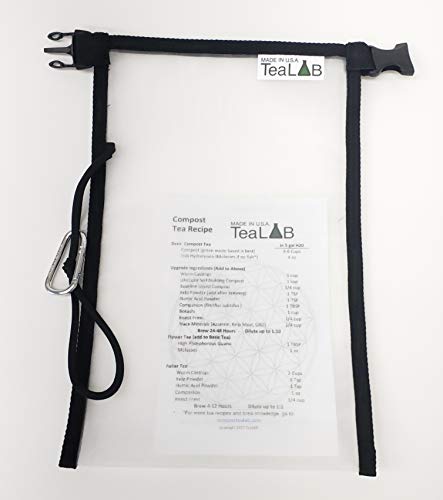
Strong and Durable Nylon Fabric and Binding
The Science Behind Compost Tea
You’re probably wondering, “How does compost tea work its magic on carrot growth?” Well, compost tea is teeming with beneficial microbes like bacteria and fungi. These microorganisms play a vital role in breaking down organic matter into nutrient-rich components that are easier for plants to absorb.
When you apply compost tea to your carrot plants, these friendly microbes establish themselves in the soil, creating a healthy environment for root development. As they break down organic matter, they release essential nutrients that carrots need to thrive, such as nitrogen, phosphorus, and potassium.
In addition to providing nutrients, the microbes in compost tea also help improve soil structure. They produce a sticky substance called glomalin that binds soil particles together, enhancing water retention and aeration. This means your carrot plants can access water and oxygen more efficiently, promoting robust growth.
Furthermore, the beneficial microbes in compost tea form a protective barrier around the roots, shielding them from harmful pathogens. By boosting the immune system of your carrot plants, compost tea helps them resist diseases and pests, ensuring they stay healthy throughout their growth cycle.
In essence, compost tea acts as a natural powerhouse for your carrots, fostering optimal conditions for growth, nutrient uptake, and pest resistance. Understanding the science behind compost tea can empower you to unleash the full potential of your carrot plants.
Applying Compost Tea to Carrot Growth
So, you’re eager to see the impact of compost tea on your carrot growth. Here’s how you can apply it to benefit those orange beauties:
- Prepare the Tea:
Brew your compost tea using 1 part compost to 5 parts water. Let it steep for 24-48 hours. - Application Process:
Strain the mixture to remove solids before filling your sprayer. Apply it to the soil around your carrots. - Timing Matters:
For best results, apply the tea early in the morning or late in the evening. This helps avoid evaporation and maximizes absorption. - Frequency:
Apply compost tea every 2-4 weeks during the growing season for optimal results. - Don’t Forget the Foliage:
Spray the tea directly onto the foliage of your carrot plants to enhance nutrient absorption.
Monitoring Carrot Growth with Compost Tea
When monitoring carrot growth with compost tea, it’s essential to closely observe your plants and soil. Here’s how you can keep track effectively:
- Regular Observations: Check your carrot plants regularly for any changes in growth or appearance. Look for signs of healthier foliage and strong root development.
- Height Progress: Measure the height of your carrot plants periodically to track their growth rate accurately. Record these measurements to monitor their development over time.
- Root Health: Gently dig around the base of a few plants to inspect the root system. Healthy roots are crucial for nutrient absorption and overall plant vitality.
- Foliage Quality: Examine the leaves for color vibrancy, size, and any signs of disease or pests. Compost tea can enhance foliage health by providing essential nutrients.
- Comparison with Control Group: If possible, compare the growth of carrot plants treated with compost tea to those without. Note any differences in vigor, size, or yield.
Monitoring is key to assessing the impact of compost tea on carrot growth. By staying attentive to your plants’ progress and making necessary adjustments along the way, you can optimize the benefits of this natural fertilizer.
Recommended Products

100% Organic & Peat-Free: Our compost mix is 100% organic & peat-free. Peat is one of Mother Nature’s most important stores of carbon. Instead of imported peat, the base of our soils is made from upcycled plant matter or wood fines from the United States!

Made from Earthworm Castings – Formulated with worm tea concentrate and compost-based nutrients.

Benefits of Using Compost Tea on Carrots
When it comes to benefits of using compost tea on carrots, you’re in for a treat! Here’s why incorporating this natural potion can work wonders for your carrot patch:
- Increased Nutrient Absorption: Compost tea acts as a nutrient powerhouse, delivering essential elements directly to your carrot plants for optimal growth and development.
- Improvement in Soil Health: By introducing beneficial microorganisms, compost tea enhances soil fertility, making it a healthier environment for carrot growth.
- Disease Suppression: The beneficial bacteria and fungi present in compost tea can help suppress harmful pathogens, reducing the likelihood of diseases affecting your carrot crop.
- Enhanced Root Development: Carrots thrive when their root systems are strong and well-developed. Compost tea promotes robust root growth, leading to healthier and more flavorful carrots.
- Environmental Sustainability: Opting for compost tea is not only beneficial for your carrots but also for the environment. It reduces the need for chemical fertilizers, promoting sustainable gardening practices.
Conclusion
You’ve learned about the significant impact compost tea can have on carrot growth. By improving nutrient absorption, enhancing soil health, suppressing diseases, and promoting robust root development, compost tea proves to be a valuable asset in cultivating healthy and flavorful carrots. Its ability to reduce the reliance on chemical fertilizers also contributes to environmental sustainability. Consider incorporating compost tea into your carrot cultivation routine to reap the benefits of healthier plants and a more sustainable gardening approach.
Frequently Asked Questions
What is compost tea, and why is it beneficial for carrots?
Compost tea is a liquid fertilizer made from steeping compost in water. It benefits carrots by enhancing nutrient uptake, improving soil structure, suppressing diseases, and promoting healthy root growth.
How does compost tea improve soil health for carrot cultivation?
Compost tea enriches the soil with beneficial microorganisms that promote nutrient cycling, improve soil structure, increase water retention, and enhance overall soil health for growing healthier and tastier carrots.
Does using compost tea reduce the reliance on chemical fertilizers for growing carrots?
Yes, compost tea reduces the need for chemical fertilizers by providing essential nutrients, improving soil fertility, and promoting a balanced ecosystem that sustains carrot growth naturally.
