

Have you ever planted lettuce seeds only to watch them struggle to grow? You’re not alone. Many gardeners face the challenge of nurturing those delicate seedlings into thriving plants. But with the right care, you can turn your small efforts into a bountiful harvest.
Key Takeaways
- Importance of Care: Proper care for lettuce seedlings is essential for promoting strong growth and healthy plants, leading to a bountiful harvest.
- Soil Quality: Use well-draining, nutrient-rich soil and consider adding organic matter to enhance water retention and nutrient availability.
- Watering Techniques: Water seedlings every 2 to 3 days while ensuring the top inch of soil remains moist; avoid overwatering to prevent root rot.
- Lighting Needs: Provide 12 to 16 hours of light daily using natural or artificial sources, adjusting based on seedling growth to prevent legginess.
- Pest Protection: Implement organic pest control methods and maintain a clean garden to safeguard seedlings from infestations and environmental stress.
- Temperature Management: Keep seedlings in ideal temperatures between 60°F and 70°F, using barriers for protection against extreme weather conditions.
Importance Of Caring For Lettuce Seedlings
Caring for lettuce seedlings is crucial for ensuring strong growth and a bountiful yield. Healthy seedlings lead to healthier plants, and with proper guidance, you’ll see the benefits.
Healthy Seedlings Thrive
Healthy seedlings exhibit robust growth and greater resistance to pests and diseases. Their established root systems allow for better nutrient uptake. For instance, seedlings that receive adequate light and water grow faster than those that don’t.
Enhanced Flavor and Texture
Well-cared-for seedlings produce lettuce with superior flavor and texture. For example, lettuce grown in optimal conditions tastes fresher and crisper, appealing to your palate.
Time and Resource Efficiency
Taking care of seedlings efficiently saves time and resources. Healthy plants require less water and fertilizer. For instance, proper spacing reduces competition, allowing each plant to thrive.
Prepping for Transplanting
Caring for seedlings prepares them for transplanting into the garden or containers. Strong, healthy seedlings acclimate better to new environments. Gradually introducing them to outdoor conditions, known as hardening off, eases this transition.
By prioritizing the care of lettuce seedlings, you’ll enjoy better growth outcomes and a rewarding gardening experience.
Essential Supplies For Growing Lettuce
Caring for lettuce seedlings requires a few essential supplies. Gathering the right tools and materials makes the process easier and more efficient.
Recommended Products

NUTRIENT-RICH, NATURAL, AND ORGANIC SOIL: Grow a bountiful garden in your home with the Back to the Roots All-Purpose Natural and Organic Peat-Free 3-in-1 Seed Starting Mix, packed with the nutrients needed for your plants, flowers, and vegetables to thrive

Miracle-Gro Indoor Potting Mix for Seed Starting grows stronger roots for seeding success (vs unfed when used as directed)

HELPS REGULATE SOIL MOISTURE: Miracle-Gro Organic Indoor Potting Soil Mix is an organic potting soil that protects indoor plants against over and under watering
Soil Requirements
Choose well-draining, nutrient-rich soil for your lettuce seedlings. A soil mix with organic matter enhances water retention and provides vital nutrients. Look for peat-based potting soil or a seed-starting mix, which has optimal pH levels for healthy growth. You can also blend in compost or worm castings to boost nutrient content. Ensure the soil remains moist but not soggy, promoting strong root development.
Containers And Trays
Select appropriate containers and trays for your seedlings. Lightweight plastic trays or cell packs allow for easy handling and drainage. Each cell should offer ample space for root expansion, approximately 2-3 inches deep. Peat pots or biodegradable seedling trays are great options if you plan to transplant them directly into the garden. These materials minimize root disturbance and encourage successful growth once planted. Ensure adequate drainage holes to prevent excess water accumulation, which can lead to root rot.
Proper Watering Techniques
Proper watering techniques play a vital role in nurturing healthy lettuce seedlings. Balancing moisture levels ensures optimal growth, preventing issues like stunted development or disease.
Recommended Products
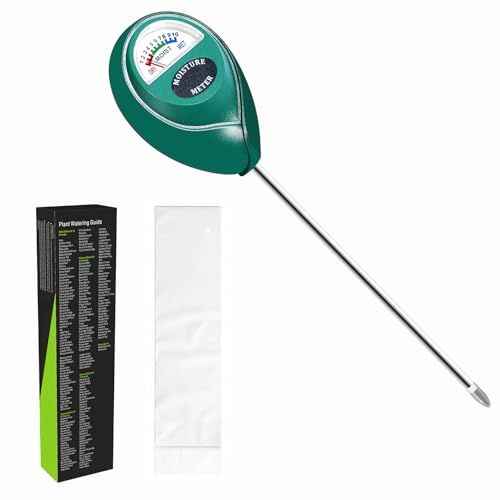
Trusted Since 2015: Become one of the many plant lovers who rely on the proven accuracy of XLUX. Established in 2015, our soil moisture meter has earned over 60,000+ verified ratings for its consistent performance. While many many newer brands come and go, we provide the long-term reliability and quality that American households have trusted for over a decade.

Accurate Soil Moisture Detection: The XLUX Soil Moisture Meter can tell you if the soil deep inside your pot or garden is dry, moist or wet; whereas your eyes and fingers can only determine the moisture level of the soil surface. The probe is 5.5 inches (14 cm) longer than regular styles, allowing it to measure the soil moisture at the bottom of larger and deeper flower pots.

【SAVE YOUR PLANTS】: Over watering can cause problems with your plants or even kill them. This soil moisture meter helps you know the soil is dry, moist or wet.No more over watering!
Frequency And Amount
Watering frequency depends on various factors like temperature, humidity, and soil type. In general, aim to water your lettuce seedlings every 2 to 3 days. Ensure the top inch of soil remains moist but not saturated.
- Use a moisture meter: This tool helps measure soil moisture levels accurately.
- Water in the morning: Early watering minimizes evaporation and prepares seedlings for the day’s heat.
- Apply water directly to the soil: Avoid wetting foliage to prevent fungal diseases.
Signs Of Overwatering
Recognizing signs of overwatering is crucial for the health of your seedlings. Overly saturated soil can lead to root rot and other problems. Watch for these symptoms:
- Yellowing leaves: This indicates roots may be drowning.
- Wilting despite moisture: Roots can’t absorb water effectively when oversaturated.
- Mold or fungus: Fungal growth on the soil surface suggests excessive moisture.
Adjust your watering routine if you notice these signs. By monitoring your seedling’s needs, you can maintain the right balance for vibrant growth.
Ideal Light Conditions
Lettuce seedlings thrive under specific light conditions that promote healthy growth. By providing the right light, you enhance their development and overall vitality.
Natural Light vs. Artificial Light
Natural light is often the best option for growing lettuce seedlings. Aim for 12 to 16 hours of sunlight daily. Placing seedlings near east or south-facing windows maximizes sunlight exposure. When natural light isn’t sufficient, especially during shorter days, consider using artificial lights. LED grow lights or fluorescent lights work well in these cases. Set the lights 2 to 6 inches above the seedlings, adjusting the height as they grow.
Duration Of Light Exposure
Light exposure duration affects seedling growth significantly. For optimal development, ensure seedlings receive 12 to 16 hours of light each day. Use a timer to automate the process, ensuring consistency. During germination, focus on longer light periods, as this promotes quicker seedling emergence. After seedlings establish, you can slightly reduce the light duration to 10 to 12 hours without harming growth. Always monitor your seedlings. If they appear leggy, they may need more light exposure or intensity.
Protecting Lettuce Seedlings
Protecting lettuce seedlings from environmental stress and pests is essential for their healthy growth.
Recommended Products

PEST DEFENSE - Insecticidal Super Soap controls species of adelgid, ant, aphid, borer, caterpillar, spider mite, cricket, chinch bug, weevil, fly, thrip, & more.

READY-TO-USE CONTACT SPRAY: No mixing required. Thoroughly spray insecticide on all plant parts, including the underside of leaves. Pests must be sprayed directly to achieve control

FUNGAL DISEASE CONTROL: Prevents and controls black spot on roses, powdery mildew, rust, downy mildew, and other listed fungal diseases when applied on a 7–14 day schedule
Pest Control Methods
Pest control methods focus on preventing damage to seedlings. Use organic options first. Introduce beneficial insects, like ladybugs or lacewings, to your garden. These insects prey on common pests, such as aphids and mites. Maintain a clean garden environment. Remove debris and dead plants that attract unwanted pests.
Consider companion planting. Planting herbs like basil or marigolds near lettuce deters certain pests while promoting growth. Implement barriers like row covers. These fabric covers shield seedlings from insects and extreme weather.
Monitor your seedlings regularly. Check for signs of infestation, such as chewed leaves or sticky residue. If pests appear, use insecticidal soap or neem oil as a natural remedy, applying it in the early morning or late evening to avoid harming beneficial insects.
Temperature Management
Temperature management safeguards seedlings against thermal stress. Ideal conditions range from 60°F to 70°F during the day and slightly cooler at night. Use mini-greenhouses or cloches for early spring planting. These structures retain warmth, helping seedlings thrive in cooler temperatures.
Shade seedlings during hot afternoons. Use shade cloth or a lightweight blanket to prevent overheating. Ensure seedlings receive airflow to avoid excess humidity and fungal diseases. If temperatures drop below 50°F, provide additional warmth with heat mats.
Regularly monitor soil temperature. Use a soil thermometer to track fluctuations. Ideally, soil temperatures for lettuce should maintain between 65°F and 70°F for optimal growth. Adjust planting dates or provide protection as needed to keep seedlings healthy.
Conclusion
Taking care of your lettuce seedlings can be a rewarding experience. By following the right practices you’ll set the stage for healthy plants that produce delicious greens. Remember to keep an eye on their watering needs and provide plenty of light.
Don’t forget to protect them from pests and environmental stressors. With a little patience and attention your seedlings will thrive and bring a burst of freshness to your table. Enjoy the journey of growing your own lettuce and savor the fruits of your labor. Happy gardening!
Frequently Asked Questions
What is the importance of caring for lettuce seedlings?
Caring for lettuce seedlings is crucial for ensuring strong growth and bountiful yields. Proper care enhances the flavor of the lettuce while setting the groundwork for healthy plants. This involves attention to watering, light conditions, and acclimatization to help seedlings thrive in their environment.
How do I properly water my lettuce seedlings?
Watering lettuce seedlings requires consistent moisture without overwatering. Aim to keep the soil damp but not soggy. Water deeply about once a week, adjusting the frequency based on weather conditions. Using mulch can help retain soil moisture and reduce evaporation.
What are ideal light conditions for lettuce seedlings?
Lettuce seedlings prefer bright, indirect sunlight. Aim for 12-16 hours of light daily. In hot climates, provide some shade during peak sunlight hours to prevent wilting and keep seedlings healthy. A grow light can be beneficial indoors or during cloudy weather.
How can I protect my lettuce seedlings from pests?
To protect lettuce seedlings from pests, consider using organic pest control methods like introducing beneficial insects, such as ladybugs. Companion planting with certain herbs can also deter pests. Regular inspection and maintaining a clean garden space are essential for early infestation management.
What temperature is best for growing lettuce?
Lettuce grows best in cool conditions, ideally between 60°F and 70°F (15°C to 21°C). Exposure to extreme heat can cause stress and bolting. Using shade cloth or heat mats can help maintain optimal temperatures for healthy growth.
How can I acclimate my lettuce seedlings?
Acclimating lettuce seedlings involves gradually introducing them to outdoor conditions. Start by placing them outside for a few hours each day, gradually increasing exposure over a week. This process helps prevent shock and strengthens seedlings for outdoor growth.
What barriers can protect lettuce seedlings from environmental stress?
Barriers like row covers, shade cloth, and heat mats are effective in protecting lettuce seedlings from environmental stress. Row covers shield against pests and frost, while shade cloth reduces heat exposure. Heat mats help maintain a consistent temperature for optimal seedling health.
