

Are you struggling to keep your container-grown lettuce lush and vibrant? You’re not alone! Many gardeners face the challenge of figuring out the right watering schedule for their leafy greens. Too little water can lead to wilting, while too much can cause root rot.
Key Takeaways
- Consistent Watering is Key: Container-grown lettuce requires regular moisture; aim to keep the soil consistently moist, not soggy, to promote healthy growth.
- Adjust for Temperature: Water lettuce daily in temperatures above 75°F (24°C) and reduce frequency to every other day in cooler conditions; monitor weather for best results.
- Consider Container Size: Larger containers (at least 5 gallons) retain moisture better than smaller ones, which dry out faster and require more frequent watering.
- Watch for Signs of Distress: Underwatering leads to wilting and dry soil, while overwatering results in yellow leaves and mushy roots; adjust watering routine based on these symptoms.
- Use Appropriate Soil Mix: Opt for a potting mix designed for containers to ensure good drainage and moisture retention, avoiding garden soil which can compact.
- Establish a Watering Routine: Water in the morning, check soil moisture regularly, and modify your schedule based on environmental conditions and plant growth stages for optimal results.
Understanding Lettuce Watering Needs
Lettuce in containers requires consistent watering to thrive. Ensure the soil remains moist but not soggy. The key factors influencing watering frequency include temperature, humidity, and container size.
Temperature Considerations
Heat increases evaporation rates. In temperatures above 75°F (24°C), water lettuce daily. In cooler conditions, reduce watering to every other day.
Container Size
Smaller containers dry out faster than larger ones. Use a container size of at least 5 gallons (19 liters) for optimal moisture retention. Larger containers may require watering every 3 to 4 days, depending on weather conditions.
Soil Type
Soil composition affects moisture retention. Use a potting mix designed for container gardening. This type retains moisture while providing proper drainage. Avoid using garden soil, which may compact and hinder drainage.
Signs of Underwatering and Overwatering
- Underwatering: Look for wilted leaves, dry soil, and slow growth.
- Overwatering: Signs include yellowing leaves and a mushy texture in the roots.
Monitor your plants closely. Adjust your watering routine according to the signs that lettuce shows.
- Water deeply: Ensure water reaches the entire root zone.
- Check moisture levels: Stick a finger into the soil up to the second knuckle; if it’s dry, water.
- Water in the morning: This prevents evaporation and allows leaves to dry before evening.
By understanding these factors and tips, you can create a successful watering routine for your container-grown lettuce.
Factors Influencing Watering Frequency
Understanding the factors that influence watering frequency helps maintain healthy container-grown lettuce. Several critical elements affect how often you should water your plants.
Recommended Products
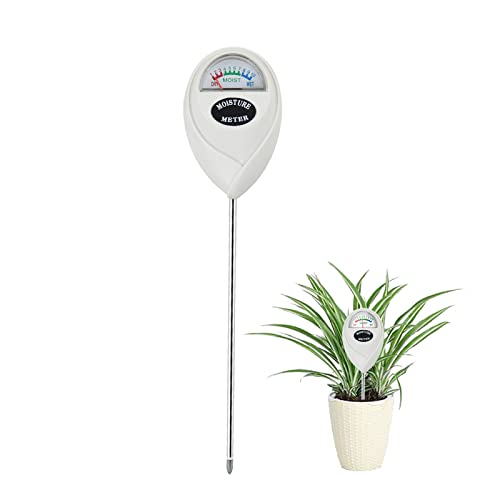
【SAVE YOUR PLANTS】: Over watering can cause problems with your plants or even kill them. This soil moisture meter helps you know the soil is dry, moist or wet.No more over watering!

MUST-HAVE FOR LARGE HOUSEPLANTS: The 11.96 inch long probe sensor is specifically designed to measure water at the root level. The Long Probe deep-use soil moisture meter makes checking moisture levels in the plant soil easy, effective and quick.

Accurate Soil Moisture Detection: The XLUX Soil Moisture Meter can tell you if the soil deep inside your pot or garden is dry, moist or wet; whereas your eyes and fingers can only determine the moisture level of the soil surface. The probe is 5.5 inches (14 cm) longer than regular styles, allowing it to measure the soil moisture at the bottom of larger and deeper flower pots.
Container Size and Type
Container size significantly impacts water retention. Larger containers, like those of at least 5 gallons (19 liters), hold more soil and retain moisture better. Smaller containers dry out faster, requiring more frequent watering. Choose containers with drainage holes to prevent excess water buildup and root rot. Use materials like plastic or ceramic, which retain moisture well compared to porous materials.
Weather Conditions
Weather conditions play a vital role in determining your watering schedule. During hot or windy days, lettuce may require daily watering due to increased evaporation. Conversely, cooler or humid weather might allow for watering every other day. Always monitor the soil moisture closely, as changes in temperature or humidity can alter your watering needs.
Plant Growth Stage
The growth stage of your lettuce also dictates watering frequency. Young seedlings need more consistent moisture to establish roots, requiring daily checks. Once the plants mature, they may tolerate slightly drier soil. However, always ensure the top inch of soil remains moist. Adjust your watering habits as the lettuce grows, paying attention to signs of stress, like wilting or yellowing leaves.
Best Practices for Watering Lettuce
Maintaining proper watering practices ensures healthy container-grown lettuce. Consistent care makes a significant difference in growth.
Recommended Products
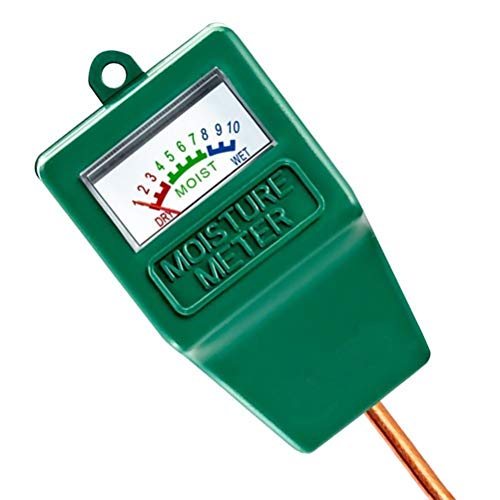
Soil Moisture Meter: This single probe soil moisture meter is specially designed for testing the moisture level in the soil, helps you decide whether the plants need water or not, helps to keep plants alive.

✔️Accurate - A helpful tool of water meter for indoor plants which senses the moisture in the soil around plants. No more guess if the plant needs more or less water
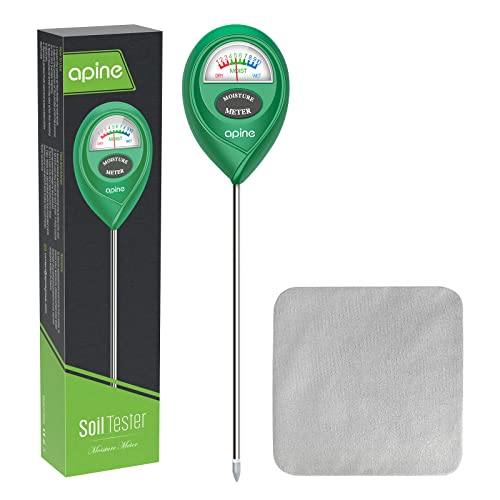
Quick Measurement:Just insert the probe of the plant water meter into the soil about two to four inches,wait a few seconds,you can get the soil moisture immediately.The color division of the dial is simple and clear,and the elderly can easily use it
Signs of Underwatering
Underwatering causes visible distress in your lettuce. Look for these signs:
- Wilted Leaves: Leaves droop and may appear limp.
- Dry Soil: The top layer of soil feels parched and crumbly.
- Slow Growth: Lettuce may halt in its growth or develop stunted leaves.
If you notice these signs, it’s essential to water immediately. Check the entire root zone and provide enough water until it drains from the bottom of the container.
Signs of Overwatering
Overwatering leads to detrimental effects just as severe as underwatering. Watch for these indicators:
- Yellowing Leaves: Leaves turn yellow from excess moisture.
- Mushy Roots: Roots may feel soft and disintegrate when touched.
- Fungal Growth: Signs of mold or mildew appear on the soil surface.
If you see these signs, allow the soil to dry out before watering again. Consider adjusting your frequency or the container size for better drainage.
By recognizing these signs, you can adjust your watering routine, ensuring your lettuce thrives in its container.
Recommended Watering Schedule
Water your container-grown lettuce based on environmental conditions and plant needs. Follow this schedule to maintain healthy growth:
Recommended Products

【Soil Moisture Meter】 This single probe soil moisture meter is clear reading dashboard with arrow pointer, wide scale interval and large number. it is specially designed for testing the moisture level in the soil, helps you decide whether the plants need water or not, helps to keep plants alive.

Accurate Soil Moisture Detection: The XLUX Soil Moisture Meter can tell you if the soil deep inside your pot or garden is dry, moist or wet; whereas your eyes and fingers can only determine the moisture level of the soil surface. The probe is 5.5 inches (14 cm) longer than regular styles, allowing it to measure the soil moisture at the bottom of larger and deeper flower pots.

ACCURATE & FAST--- Our analog soil moisture meter delivers precise and fast readings of soil moisture levels, helping you determine the exact watering needs of your plants. With our moisture meter, you can effortlessly maintain the optimal soil moisture level to ensure the healthy growth of your plants. Our device is engineered with advanced technology to provide accurate results in seconds. Invest in our moisture meter to enjoy a hassle-free and efficient gardening experience.
Daily Watering
- Temperature Above 75°F (24°C): Water daily to prevent wilting. High temperatures increase evaporation, making consistent moisture essential.
- Hot, Windy Days: If it’s particularly hot or windy, check the soil more frequently. You might need to water twice daily.
Every Other Day
- Temperature Between 60°F (15°C) and 75°F (24°C): Water every other day. Monitor soil moisture to ensure it stays damp.
- Young Seedlings: During the early growth stage, maintain consistent moisture to encourage strong roots.
Every Three to Four Days
- Temperature Below 60°F (15°C): Water every three to four days. Cooler conditions slow evaporation, so containers retain moisture longer.
- Mature Plants: As plants grow, they usually require less frequent watering.
Additional Considerations
- Container Size: Large containers (at least 5 gallons/19 liters) retain moisture longer than smaller ones. Adjust your schedule according to container size.
- Soil Type: Use a potting mix designed for container gardening to improve moisture retention and drainage. The right soil can reduce watering frequency.
- Water Deeply: Focus on saturating the entire root zone. This encourages deep root growth.
- Morning Watering: Water in the morning to reduce evaporation and give plants time to absorb moisture.
- Check Soil Moisture: Insert your finger into the soil up to your knuckle. If it feels dry, it’s time to water.
By adhering to this watering schedule and adjusting based on specific conditions and plant needs, you’ll promote healthy and robust growth in your container lettuce.
Conclusion
Getting the watering right for your container-grown lettuce can make all the difference. By keeping an eye on temperature and moisture levels you can help your plants thrive. Remember to adjust your schedule based on the weather and the size of your containers.
Daily watering might be necessary during those hot summer days while cooler temperatures allow for a more relaxed approach. Always check your soil and look for signs of stress in your plants. With a little attention and care your lettuce will flourish and provide you with delicious, fresh greens. Happy gardening!
Frequently Asked Questions
How often should I water container-grown lettuce?
Watering frequency depends on temperature and humidity. For temperatures above 75°F (24°C), water daily. In temperatures between 60°F (15°C) and 75°F (24°C), water every other day. For cooler temperatures below 60°F (15°C), every three to four days is sufficient.
What are signs of underwatering lettuce?
Signs of underwatering include wilting leaves, dry soil, and slow growth. If you observe these symptoms, it’s important to water your lettuce immediately to help revive it.
How can I tell if my lettuce is overwatered?
Overwatered lettuce may show yellowing leaves, mushy roots, and signs of fungal growth. If these symptoms appear, let the soil dry out before watering again to prevent root rot.
What type of container is best for growing lettuce?
Choose containers with a capacity of at least 5 gallons (19 liters) for optimal moisture retention. Larger containers help maintain consistent moisture levels, while smaller ones dry out quickly.
What type of soil should I use for container-grown lettuce?
Use a potting mix specifically designed for container gardening. This type of soil retains moisture effectively while providing proper drainage, which is key to healthy lettuce growth.
When is the best time to water lettuce?
Water your lettuce in the morning to minimize evaporation and ensure the water penetrates deeply into the soil. This practice helps maintain consistent moisture for your plants.
How does temperature affect the watering needs of lettuce?
Warmer temperatures increase evaporation rates, requiring more frequent watering. On hot days above 75°F (24°C), daily watering is necessary, while cooler temperatures allow for less frequent watering.
Should I check the soil moisture before watering?
Yes, it’s beneficial to check soil moisture before watering. Use the finger test: if the soil feels dry an inch below the surface, it’s time to water. This prevents both underwatering and overwatering.
What should I do during extremely hot weather?
During excessively hot weather, monitor your lettuce closely and water daily. Increased evaporation necessitates more attention to maintain consistent moisture and prevent wilting.
