

Do you find yourself wondering, “How often should I water my tomatoes?” Picture this: You’ve carefully planted your tomato plants, eagerly awaiting the juicy fruits they’ll bear. But when it comes to watering, you’re left feeling uncertain. Don’t worry – you’re not alone in this common dilemma.
In this article, we’ll guide you through the essential steps of watering your tomato plants effectively. By understanding the right watering techniques, you can ensure your tomatoes thrive and yield a bountiful harvest. Stay tuned to discover the simple yet crucial tips for keeping your tomato plants healthy and vibrant.
Key Takeaways
- Understand factors influencing tomato watering needs such as weather conditions, soil type, plant size, and growth stage.
- Recognize signs of over and under watering in tomato plants to adjust watering schedules accordingly.
- Follow best practices like watering in the morning, using drip irrigation or soaker hoses, and monitoring soil moisture levels for healthy tomato growth.
- Adjust watering frequency based on seasonal changes and climate considerations to meet the specific needs of your tomato plants.
- Consider tools like drip irrigation systems and moisture meters to efficiently water tomatoes and ensure optimal growth.
Understanding Tomato Watering Needs
Tomatoes have specific watering requirements influenced by various factors. Understanding these factors and recognizing signs of over and under watering are crucial for the health of your tomato plants.
Recommended Products

Trusted Since 2015: Become one of the many plant lovers who rely on the proven accuracy of XLUX. Established in 2015, our soil moisture meter has earned over 60,000+ verified ratings for its consistent performance. While many many newer brands come and go, we provide the long-term reliability and quality that American households have trusted for over a decade.

Accurate Soil Moisture Detection: The XLUX Soil Moisture Meter can tell you if the soil deep inside your pot or garden is dry, moist or wet; whereas your eyes and fingers can only determine the moisture level of the soil surface. The probe is 5.5 inches (14 cm) longer than regular styles, allowing it to measure the soil moisture at the bottom of larger and deeper flower pots.

【SAVE YOUR PLANTS】: Over watering can cause problems with your plants or even kill them. This soil moisture meter helps you know the soil is dry, moist or wet.No more over watering!
Factors Influencing Water Requirements
To determine how often you should water your tomato plants, consider factors like weather conditions, soil type, plant size, and stage of growth. During hot or windy days, tomatoes may need more frequent watering to stay hydrated. Sandy soils drain quickly, requiring more frequent watering compared to clay soils. Larger plants with more foliage might require additional water to support their growth. Young seedlings need consistent moisture for proper development.
Signs of Over and Under Watering
Overwatering can lead to yellowing leaves, wilting despite wet soil, mold growth on the soil surface, or root rot. On the other hand, underwatering may cause dry and crispy leaves, slow growth, or fruit drop before ripening. Monitor your plants regularly to identify these signs and adjust your watering schedule accordingly.
Best Practices for Watering Tomatoes
Ensuring you water your tomato plants correctly is vital for their health and productivity. Here are some best practices to help you master the art of watering tomatoes effectively.
Recommended Products

Slowly waters the soil around your plants for complete root zone hydration; Ideal for short runs on flat surfaces, such as vegetable gardens, borders, and around small plants

NO MORE HARD INSTALLATION - SET UP IN MINUTES. Tired of struggling with stiff barbed fittings? This drip irrigation system features quick-connect fittings that let you push, lock, and secure tubing effortlessly. No tools, no leaks, just a smooth setup experience. Enjoy a frustration-free installation and get your garden watering system running in minutes.

For slow release of water in a variety of watering and wetting applications
Time of Day and Frequency
Water your tomato plants in the morning to allow foliage to dry during the day, reducing the risk of diseases. Aim to water deeply but less frequently to encourage deep root growth. A general rule is 1-1.5 inches per week, adjusting based on weather conditions and soil moisture levels.
Techniques for Effective Watering
Consider using drip irrigation or a soaker hose to deliver water directly to the roots while keeping foliage dry. Mulching around plants can help retain soil moisture and reduce evaporation. Monitor plant needs regularly by checking soil moisture levels with a finger inserted about an inch into the ground.
By following these best practices for watering tomatoes, you’ll promote healthy growth and bountiful harvests from your tomato plants.
Seasonal Considerations for Tomato Watering
When it comes to watering your tomato plants, adjusting your routine based on seasonal changes is crucial for their health and productivity. Here are some key considerations to keep in mind:
Adjustments for Weather Conditions
In hot and dry weather, you’ll need to water your tomato plants more frequently to prevent them from drying out. Conversely, during periods of heavy rain or high humidity, you may need to scale back on watering to avoid over-saturation. Monitoring the weather forecast can help you anticipate these changes and adjust your watering schedule accordingly.
Watering Tomatoes in Different Climates
If you live in a region with a predominantly dry climate, such as a desert environment, providing consistent moisture to your tomato plants is essential. Consider using mulch around the base of the plants to retain soil moisture and reduce evaporation. In contrast, if you’re in a humid climate, be cautious not to overwater as excess moisture can lead to fungal diseases. It’s important to strike a balance that meets the specific needs of your tomatoes based on the climate conditions in your area.
By adapting your watering practices based on seasonal variations and climate considerations, you can ensure that your tomato plants receive the optimal amount of water they need to thrive throughout their growth cycle.
Tools and Resources for Watering Tomatoes
When it comes to watering your tomato plants effectively, there are a few tools and resources that can help you ensure they receive the right amount of moisture. Here are some options to consider:
Recommended Products

MUST-HAVE FOR LARGE HOUSEPLANTS: The 11.96 inch long probe sensor is specifically designed to measure water at the root level. The Long Probe deep-use soil moisture meter makes checking moisture levels in the plant soil easy, effective and quick.

Accurate Soil Moisture Detection: The XLUX Soil Moisture Meter can tell you if the soil deep inside your pot or garden is dry, moist or wet; whereas your eyes and fingers can only determine the moisture level of the soil surface. The probe is 5.5 inches (14 cm) longer than regular styles, allowing it to measure the soil moisture at the bottom of larger and deeper flower pots.
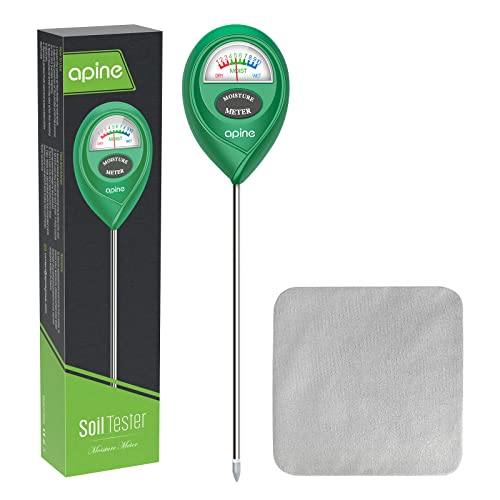
Quick Measurement:Just insert the probe of the plant water meter into the soil about two to four inches,wait a few seconds,you can get the soil moisture immediately.The color division of the dial is simple and clear,and the elderly can easily use it
Drip Irrigation Systems
Consider installing a drip irrigation system in your garden for efficient and targeted watering of your tomato plants. These systems deliver water directly to the base of the plants, reducing water waste through evaporation and runoff. By providing a consistent moisture supply to your tomatoes, drip irrigation systems can help promote healthy growth and fruit development.
Moisture Meters and Indicators
Using moisture meters or indicators can be a practical way to monitor the soil moisture levels around your tomato plants. These handy tools give you real-time feedback on whether the soil is too dry or too wet, allowing you to adjust your watering schedule accordingly. By using moisture meters, you can avoid overwatering or underwatering your tomatoes, ensuring they thrive in optimal conditions.
By incorporating these tools and resources into your gardening routine, you can take the guesswork out of watering your tomato plants and help them flourish throughout the growing season.
Conclusion
You now have a better understanding of how to water your tomato plants effectively. Remember to consider factors like weather, soil type, and growth stage when determining watering frequency. By using tools such as drip irrigation systems and moisture meters, you can ensure that your plants receive the right amount of moisture for optimal growth. Keep an eye out for signs of over or under watering and adjust your watering routine accordingly. With these tips in mind, you’ll be on your way to cultivating healthy tomato plants with bountiful yields. Happy gardening!
Frequently Asked Questions
What are the factors affecting the watering requirements of tomato plants?
Weather conditions, soil type, and growth stage play a crucial role in determining how much water tomato plants need.
How can I tell if my tomato plants are being overwatered or underwatered?
Signs of overwatering include wilting leaves and yellowing while underwatering may cause droopy leaves and dry soil.
What are some effective watering techniques for larger tomato plants?
For larger plants, deep watering at the base is recommended to encourage root growth and prevent shallow roots.
How should I water young tomato seedlings?
Water young seedlings gently and frequently to keep the soil consistently moist without causing waterlogging.
When is the best time to water tomato plants?
Morning watering is ideal as it allows foliage to dry before evening, reducing the risk of fungal diseases.
How can I monitor soil moisture levels for my tomato plants?
Utilize moisture meters to accurately gauge soil moisture levels and adjust watering frequency accordingly.
