

Have you ever noticed mysterious white spots on your tomato plants, leaving you wondering what could be causing them? Picture this: You’ve lovingly tended to your garden, only to find these puzzling marks appearing out of nowhere. It can be frustrating not knowing the reason behind it.
In this article, we’ll explore the common causes of those perplexing white spots on your tomato plants. By understanding the root of the issue, you’ll be equipped with the knowledge to address and prevent them in the future. Stay tuned to uncover simple yet effective solutions for maintaining healthy tomato plants in your garden.
Key Takeaways
- White spots on tomato plants can be caused by common fungal diseases like powdery mildew and early blight.
- Proper identification of these diseases is crucial for effective treatment and prevention strategies.
- Prevention methods include choosing resistant tomato varieties, maintaining proper plant spacing, and implementing good watering practices.
- Treatment options range from organic remedies like baking soda spray and neem oil to chemical fungicides for severe cases.
Identifying White Spots on Tomato Plants
When inspecting your tomato plants, it’s essential to identify any white spots promptly. Here are key details to help you recognize and address these issues effectively.
Recommended Products

Neudorff Copper Fungicide Controls Listed Plant Diseases: Powdery Mildew, Rusts, Black Spot, Leaf & Fruit Spot, Downy Mildew, Fruit Rot, Late Blight, Peach Leaf Curl and Other Listed Diseases.

PEST DEFENSE - This product is designed to kill species of aphid, spider mite, ant, cricket, weevil, caterpillar, fly, thrip, silverfish & more.

Protect your garden from listed fungal diseases with Fung-onil Multi-Purpose Fungicide Concentrate from Bonide!
Common Causes of White Spots
Inspect your tomato plants for powdery mildew, a common fungal disease that manifests as white spots on the leaves. Overhead watering, high humidity levels, and poor air circulation can contribute to its development.
Look out for signs of early blight, another potential cause of white spots on tomato plants. This fungal disease typically starts as small dark lesions with concentric rings that gradually turn white. Ensure proper spacing between plants and remove infected leaves promptly to prevent its spread.
How to Differentiate Between Diseases
To distinguish between powdery mildew and early blight, examine the characteristics of the white spots closely. Powdery mildew appears as a powdery substance on the upper surface of leaves and stems, while early blight shows concentric rings with a target-like appearance.
When observing your tomato plants, note that powdery mildew affects younger foliage first, spreading rapidly in warm, dry conditions. In contrast, early blight often begins on older leaves near the bottom of the plant before progressing upwards.
By understanding these distinctions and taking proactive measures such as proper watering practices and regular pruning, you can effectively manage white spots on your tomato plants and promote their overall health.
Prevention Strategies for White Spots
To keep your tomato plants healthy and free from white spots, consider the following prevention strategies:
Recommended Products
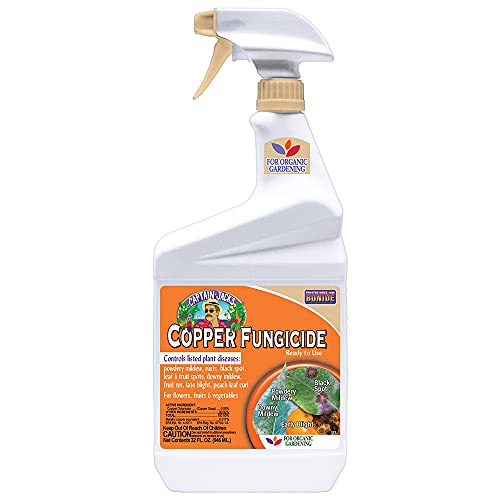
Control fungus and disease in your garden with Captain Jack’s ready-to-use Liquid Copper Fungicide!

3-IN-1 PLANT CARE: 3-In-1 Insect, Disease & Plant Mite Control provides insect control, disease control, and plant mite control all in one; Rainproof protection starts in 4 hours and lasts up to 14 days

3-in-1 FORMULA: Aphid spray for outdoor plants for use on roses, flowers, shrubs and trees to control listed insects, disease and mites
Choosing the Right Tomato Varieties
Select resistant tomato varieties to common diseases like powdery mildew and early blight. Look for cultivars specifically bred to withstand these issues, such as ‘Celebrity’ or ‘Mountain Magic.’
Proper Plant Spacing and Care
Ensure adequate spacing between tomato plants to promote air circulation, reducing humidity levels that can lead to fungal infections causing white spots. Water your plants at the base in the morning to allow foliage to dry during the day, preventing diseases like powdery mildew. Regularly prune lower leaves to improve airflow and reduce the risk of infection.
Treatment Options for White Spots on Tomato Plants
When dealing with white spots on your tomato plants, you have several treatment options available. Below are some effective methods to address this issue and ensure the health of your plants.
Organic Remedies
For those preferring natural solutions, organic remedies can help combat white spots on tomato plants:
- Baking Soda Spray: Create a mixture of 1 tablespoon baking soda, a few drops of dish soap, and water in a spray bottle. Apply this solution to the affected leaves every 7-14 days.
- Neem Oil: Neem oil is a natural fungicide that can be sprayed on tomato plants to control fungal diseases like powdery mildew causing white spots.
- Milk Solution: Mix equal parts milk and water and spray it on the leaves to prevent fungal growth responsible for white spots.
Chemical Treatments
If organic remedies do not yield desired results, you may consider chemical treatments as an alternative option:
- Fungicides: Commercial fungicides specifically formulated for tomatoes can effectively treat powdery mildew and other fungal diseases causing white spots.
- Copper-Based Fungicides: Copper-based products are effective against various plant diseases including early blight which manifests as white spots on tomato leaves.
Remember to follow instructions carefully when using any chemical treatments and consider spot-testing before applying them extensively across your plants.
Monitoring and Maintaining Healthy Tomato Plants
To keep your tomato plants healthy and thriving, it’s essential to monitor them regularly and follow proper maintenance practices. Here are some key tips to help you ensure the well-being of your tomato plants:
Checking for Signs of Disease Regularly
Inspect your tomato plants frequently for any signs of disease or pest infestation. Look out for white spots on leaves, which could indicate issues like powdery mildew or early blight. Catching these problems early can help prevent them from spreading and damaging your plants.
Providing Adequate Watering
Water your tomato plants consistently but avoid overhead watering, as wet foliage can promote disease development. Instead, water at the base of the plants in the morning to allow the leaves to dry off during the day. Ensure that the soil is moist but not waterlogged to maintain optimal growing conditions.
Proper Pruning Practices
Regularly prune your tomato plants by removing lower leaves that touch the ground. This practice helps improve airflow around the plant, reducing humidity levels and minimizing the risk of fungal diseases like powdery mildew. By maintaining good air circulation, you can create an environment less conducive to disease development.
Implementing Plant Spacing Guidelines
Ensure adequate spacing between tomato plants to reduce overcrowding and promote better air circulation. Proper spacing allows each plant to receive sufficient sunlight and airflow, lowering the chances of diseases taking hold. Follow recommended spacing guidelines based on the specific variety you’re growing for optimal plant health.
Conclusion
You’ve learned the key factors behind those pesky white spots on your tomato plants. By following proper care practices, such as selecting resistant varieties, maintaining plant spacing, and watering at the base in the morning, you can effectively prevent and manage diseases like powdery mildew and early blight. Remember to keep a close eye on your plants for any signs of disease, implement regular pruning to improve airflow, and ensure consistent watering practices. With these strategies in place, you’ll be well-equipped to maintain healthy tomato plants and enjoy a bountiful harvest. Happy gardening!
Frequently Asked Questions
What causes white spots on tomato plants?
White spots on tomato plants can be caused by diseases like powdery mildew and early blight, which thrive in warm, humid conditions.
How can I prevent white spots on my tomato plants?
To prevent white spots on tomato plants, consider selecting resistant tomato varieties, maintaining proper plant spacing for adequate airflow, watering at the base of the plant in the morning, and regularly pruning lower leaves to reduce humidity levels.
Why is proper plant care important in managing white spots on tomatoes?
Proper plant care practices such as monitoring for disease signs, providing adequate watering at the base to avoid wet foliage, pruning for improved airflow, and following plant spacing guidelines are crucial in managing and preventing diseases like powdery mildew and early blight.
