

Are you wondering how often to water your romaine lettuce? You’re not alone. Many gardeners face the challenge of keeping their leafy greens hydrated without overdoing it. Too much or too little water can lead to problems like wilting or rot, and nobody wants that.
Key Takeaways
- Romaine lettuce thrives in consistently moist soil, requiring 1 to 1.5 inches of water weekly, adjusted for climate conditions.
- Signs of underwatering include wilting leaves, brown leaf edges, and slowed growth, while overwatering symptoms include yellowing leaves and soggy soil.
- Water deeply but infrequently; on hot days, water every 2 to 3 days, and every 4 to 7 days during cooler weather.
- Soil type, climate, and plant age all affect watering frequency—sandy soils need more frequent watering, while clay retains moisture longer.
- Use mulch to retain soil moisture, water in the morning to minimize evaporation, and regularly check soil moisture to determine when to water.
Understanding Romaine Lettuce
Romaine lettuce is a popular leafy green known for its crispy texture and nutritional benefits. Growing romaine requires specific care, especially when it comes to watering.
Watering Needs of Romaine Lettuce
Romaine lettuce prefers consistently moist soil. On average, it requires about 1 to 1.5 inches of water each week. You can achieve this by watering deeply but less frequently.
Signs of Underwatering
Watch for these signs if you don’t provide enough water:
- Leaves appear wilting or droopy.
- Leaf edges may turn brown and crispy.
- Growth slows down significantly.
Signs of Overwatering
Be cautious with too much water. Signs of overwatering include:
- Yellowing leaves that feel mushy.
- Roots showing signs of rot.
- Soil remaining soggy for extended periods.
Optimal Watering Schedule
Adjust your watering schedule based on weather conditions. On hot, sunny days, increase your watering frequency to every 2 to 3 days. On cooler, cloudy days, watering every 4 to 7 days suffices.
- Use mulch: Apply a layer of mulch around your plants to help retain moisture.
- Water in the morning: This timing reduces evaporation and allows plants to absorb moisture.
- Check soil moisture: Stick your finger into the soil up to 2 inches. If it feels dry, it’s time to water.
By understanding romaine lettuce’s needs and adjusting your watering practices, you’ll ensure healthy, vibrant plants.
Factors Affecting Watering Frequency
Several factors influence how often you water romaine lettuce. Understanding these elements helps maintain optimal soil moisture for healthy growth.
Recommended Products

Trusted Since 2015: Become one of the many plant lovers who rely on the proven accuracy of XLUX. Established in 2015, our soil moisture meter has earned over 60,000+ verified ratings for its consistent performance. While many many newer brands come and go, we provide the long-term reliability and quality that American households have trusted for over a decade.

Accurate Soil Moisture Detection: The XLUX Soil Moisture Meter can tell you if the soil deep inside your pot or garden is dry, moist or wet; whereas your eyes and fingers can only determine the moisture level of the soil surface. The probe is 5.5 inches (14 cm) longer than regular styles, allowing it to measure the soil moisture at the bottom of larger and deeper flower pots.

Kindly NOTE: This soil tester can not be applied to test pH value of any other liquid. If the soil is too dry the indicator will not move, and water it before testing.
Soil Type
Soil type plays a crucial role in retaining moisture.
- Sandy soils drain quickly, requiring more frequent watering.
- Clay soils hold moisture longer, allowing for less frequent irrigation.
- Loamy soils offer a balance, typically needing watering 1 to 1.5 inches weekly.
Monitoring soil texture helps adjust your watering routine effectively.
Climate Conditions
Climate conditions significantly impact your watering schedule.
- Hot, dry climates increase evaporation, necessitating more frequent watering.
- Humid or temperate climates reduce the need for watering, as moisture levels remain consistent.
- Seasonal changes also play a part: spring and early summer may demand more water than fall and winter.
Keep an eye on local weather patterns to adapt your approach accordingly.
Plant Age
The age of your romaine lettuce affects its water requirements.
- Young seedlings require consistent moisture to establish their roots.
- Mature plants become more resilient, soaking up water more effectively while developing deep root systems.
- Adjust your watering frequency based on growth stages, ensuring young plants stay hydrated while older plants thrive.
By considering these factors, you can create an effective watering schedule that promotes lush and healthy romaine lettuce.
Optimal Watering Guidelines
Watering romaine lettuce requires attention to detail for optimal growth. Factors like soil type, climate, and plant age significantly impact your watering schedule.
General Recommendations
Water romaine lettuce deeply but infrequently. Aim for about 1 to 1.5 inches of water per week, depending on conditions. During hot, dry weather, increase frequency to every 2 to 3 days. In cooler or more humid conditions, watering every 5 to 7 days suffices. Check soil moisture regularly, approximately 1 inch below the surface, to determine when to water.
Signs of Underwatering
You can identify underwatering through specific symptoms. Leaves appear wilted and droopy, and the outer leaves may turn brown or crisp. Soil feels dry to the touch, lacking moisture even after rain or irrigation. If plants start to bolt—producing seed stalks prematurely—it often indicates stress from inadequate water.
Signs of Overwatering
Detecting overwatering involves looking for key signs. Leaves develop yellow spots or begin to rot, particularly at the base. Soil feels soggy or muddy and might emit a foul smell, indicating possible root rot. Inspect the roots; healthy roots should be firm and white, while overwatered roots appear brown and mushy.
Conclusion
Getting the watering right for your romaine lettuce can make all the difference in its growth and flavor. By keeping an eye on soil moisture and adjusting your routine based on weather and plant needs, you’ll set your lettuce up for success. Remember to look for those telltale signs of distress so you can quickly address any issues. With a little attention and care, you’ll enjoy a bountiful harvest of fresh, crisp romaine lettuce right from your garden. Happy gardening!
Frequently Asked Questions
Recommended Products
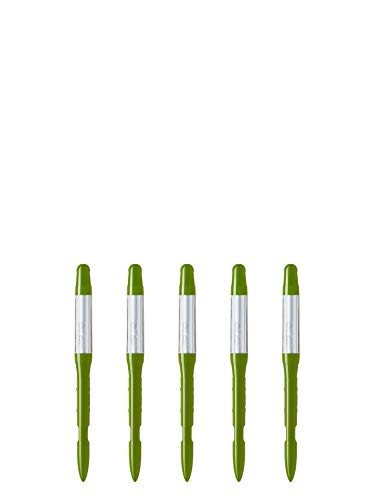
Dimensions: 0.4 x 0.3 x 4.7 inches (small) - Intended for pot sizes of 2, 2.5, and 3 - Ideal for small succulents
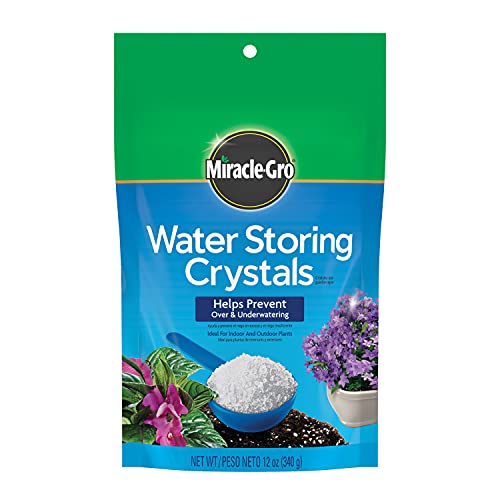
Prevents Over and Under Watering: Miracle-Gro Water Storing Crystals absorb moisture and release it back to your plants as needed, helping to prevent over and underwatering
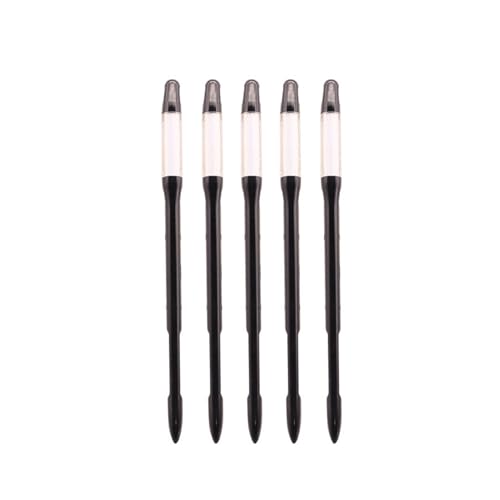
Dimensions: 7.09 x 0.39 x 0.31 inches (medium) - Intended for pot sizes of 3.5, 4, 5, and 6
How often should I water romaine lettuce?
Romaine lettuce should be watered deeply but infrequently, aiming for about 1 to 1.5 inches of water per week. Adjust this based on specific weather conditions, such as temperature and humidity.
What factors influence the watering needs of romaine lettuce?
The watering needs of romaine lettuce depend on several factors including soil type, climate conditions, and the age of the plants. These factors can affect how quickly the soil drains and retains moisture.
What are signs of underwatering romaine lettuce?
Signs of underwatering include wilting leaves and brown or crisp outer leaves. If you notice these symptoms, it’s a good indication that your lettuce needs more water.
How can I tell if I’m overwatering my romaine lettuce?
Overwatering signs include yellow spots on the leaves and a risk of root rot. If the leaves appear yellow and mushy, it’s essential to reduce watering to improve plant health.
What type of soil is best for romaine lettuce?
Romaine lettuce thrives in well-draining soil that retains moisture without becoming waterlogged. A mix of sandy and loamy soil is ideal for optimal growth.
Can I adjust my watering schedule based on the weather?
Yes, you should adjust your watering schedule based on weather conditions. During hot, dry spells, increase watering; in cooler, rainy weather, reduce it to prevent overwatering.
Is it better to water romaine lettuce in the morning or evening?
Watering in the morning is generally better. This allows the leaves to dry out during the day, reducing the risk of fungal diseases while ensuring the roots receive moisture before heat sets in.
