

Wondering how often you should water your lettuce plant? You’re not alone. Many new gardeners struggle with finding the right balance. Too little water can lead to wilting, while too much can cause root rot.
Key Takeaways
- Watering Frequency Varies: Adjust watering based on climate, soil type, plant size, growth stage, and sun exposure to ensure healthy lettuce plants.
- Different Varieties Have Unique Needs: Romaine, Butterhead, Leaf, and Crisphead lettuce each require specific water amounts for optimal growth—typically 1-2 inches weekly.
- Look for Watering Signs: Signs of dehydration include wilting leaves, crumbly soil, yellow leaves, and browning edges; monitor these cues to determine watering needs.
- Best Practices Matter: Water deeply, use a soaker hose, and avoid watering during the hottest part of the day to maintain soil moisture and promote deep root growth.
- Seasonal Adjustments: Increase watering frequency during warm weather while reducing it during cooler months to prevent over- or underwatering.
- Avoid Common Mistakes: Be cautious of overwatering, which can cause root rot, and ensure you choose well-draining soil to promote healthy root development.
Understanding Lettuce Watering Needs
Watering lettuce plants correctly is crucial for their growth and flavor. Different factors influence how often you should water, and various lettuce varieties have unique requirements.
Recommended Products

Accurate Soil Moisture Detection: The XLUX Soil Moisture Meter can tell you if the soil deep inside your pot or garden is dry, moist or wet; whereas your eyes and fingers can only determine the moisture level of the soil surface. The probe is 5.5 inches (14 cm) longer than regular styles, allowing it to measure the soil moisture at the bottom of larger and deeper flower pots.
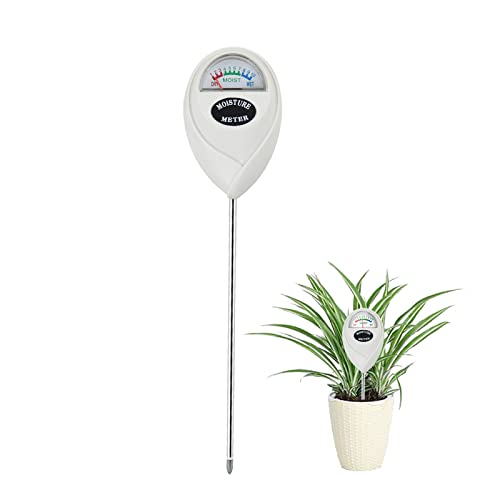
【SAVE YOUR PLANTS】: Over watering can cause problems with your plants or even kill them. This soil moisture meter helps you know the soil is dry, moist or wet.No more over watering!

✔️Accurate - A helpful tool of water meter for indoor plants which senses the moisture in the soil around plants. No more guess if the plant needs more or less water
Factors Influencing Watering Frequency
- Climate Conditions: Hot and dry weather increases evaporation, requiring more frequent watering. Cooler, humid conditions allow for less watering.
- Soil Type: Sandy soils drain quickly, so they may need daily watering. Clay soils retain moisture, needing less frequent watering.
- Plant Size: Larger plants consume more water. Young seedlings require lighter, more frequent watering to establish roots.
- Growth Stage: During germination, keep the soil consistently moist. Once established, lettuce can tolerate slight drying between waterings.
- Sun Exposure: Full sun often means increased water needs. Plants in shaded areas may require less water.
- Romaine Lettuce: Requires consistent moisture. Water at least 1-2 inches per week, ensuring the soil remains evenly moist.
- Butterhead Lettuce: Thrives with moderate watering. Aim for 1 inch of water weekly, depending on rainfall.
- Leaf Lettuce: Enjoys regular moisture. Water daily during hot spells but let the soil dry out slightly between waterings.
- Crisphead Lettuce: Needs even moisture to prevent bolting. Provide about 1-1.5 inches of water each week.
By considering the factors that influence watering and the specific needs of different lettuce varieties, you can help ensure your lettuce plants thrive.
Best Practices for Watering Lettuce
Watering your lettuce correctly ensures healthy growth and optimal flavor. Keep these best practices in mind.
Recommended Products
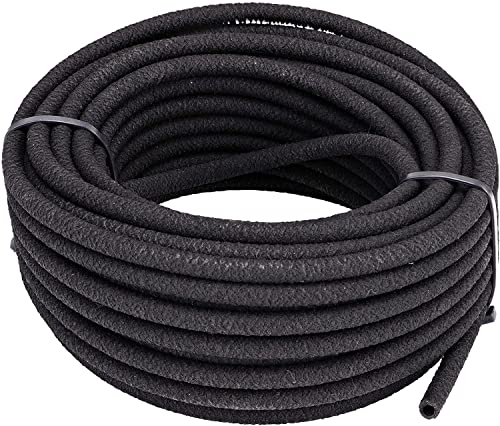
Slowly waters the soil around your plants for complete root zone hydration; Ideal for short runs on flat surfaces, such as vegetable gardens, borders, and around small plants
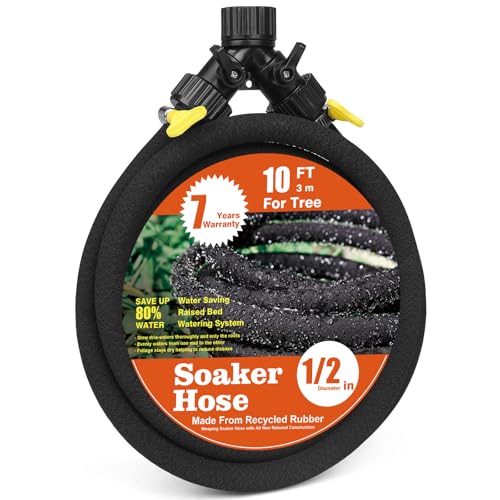
Tree soaker hose 10 FT Length with Extra Clamps and Washers.

EVEN WATERING ACROSS YOUR GARDEN: Designed to deliver slow, consistent moisture along the hose to help reduce dry spots and overwatering near the faucet. For best results, use with a pressure regulator (8–10 PSI) for more even distribution.
Signs Your Lettuce Needs Water
- Leaves wilt easily: Wilted leaves often indicate dry soil.
- Soil is crumbly: Crumbly soil suggests it’s time to water.
- Leaves turn yellow: Yellowing may signal overwatering; look closely for other signs.
- Edges become brown: Browning edges point to dehydration in leaves.
Check regularly for these signs, especially during hot or windy days.
- Water deeply: Aim for 1-2 inches of water weekly. This encourages deep root growth.
- Use a soaker hose: A soaker hose delivers consistent moisture directly to the soil.
- Water early or late: Avoid the midday sun, which causes evaporation. Early mornings or late afternoons work best.
- Check soil moisture: Stick your finger about an inch into the soil. If it feels dry, it’s time to water.
Adopting these techniques helps maintain a consistent moisture level, promoting strong lettuce plants.
Seasonal Considerations for Lettuce Care
Lettuce care varies with the seasons. Understanding these seasonal factors helps you optimize watering practices for healthy growth.
Watering in Warm Weather
In warm weather, lettuce requires more frequent watering. Heat increases evaporation, making the soil dry out quickly. Check the soil daily. If the top inch feels dry, it’s time to water. During hot spells, consider watering your lettuce every day to provide adequate moisture. Aim for 1-2 inches of water weekly, especially for varieties like Leaf Lettuce, which thrives on consistent moisture. Using mulch around plants can help retain soil moisture and keep the roots cool.
Adapting Watering for Cooler Months
In cooler months, reduce your watering frequency. Lettuce grows slower in cooler temperatures, so the soil retains moisture longer. Monitor the weather and adjust as needed. Check the soil before watering; if it’s still damp at a 1-inch depth, delay watering. Generally, you can water every 7-10 days when temperatures drop. This approach prevents overwatering and ensures that your lettuce remains healthy throughout the cooler seasons.
Common Mistakes to Avoid When Watering Lettuce
Watering lettuce plants correctly fosters robust growth and enhances flavor. Avoiding these common mistakes keeps your plants healthy and thriving.
Overwatering vs. Underwatering
Overwatering can drown roots, leading to root rot. Symptoms include yellowing leaves, mushy stems, and a foul smell from the soil. Check the top inch of soil—if it’s wet, wait before watering again.
Underwatering causes wilting, stunted growth, and bitter flavor in lettuce. Look for crispy leaves and dry soil as signs that your plants need water. Regularly monitoring soil moisture helps prevent both issues.
Choosing the Right Soil
Selecting well-draining soil prevents waterlogging and provides necessary aeration for roots. Aim for a soil blend with organic matter, such as compost, to retain moisture without becoming soggy.
Test soil texture by squeezing a handful. If it holds shape but crumbles easily, it’s ideal. If it clumps together without breaking, consider adding sand or perlite for better drainage.
By avoiding these pitfalls, you’ll nurture stronger lettuce plants that produce delicious, crisp leaves.
Conclusion
Caring for your lettuce plants doesn’t have to be a guessing game. By paying attention to the specific needs of each variety and the conditions in your garden, you can create a watering routine that keeps your lettuce thriving.
Remember to check the soil regularly and adjust your schedule based on the weather. With a little practice and observation, you’ll soon find the perfect balance that promotes healthy growth and delicious flavor. Happy gardening and enjoy your fresh lettuce!
Frequently Asked Questions
How often should I water lettuce plants?
Lettuce typically needs 1-2 inches of water weekly, but this can vary by type. Romaine thrives with 1-2 inches, Butterhead prefers about 1 inch, and Leaf Lettuce may need daily watering during hot weather.
What are the signs that my lettuce needs water?
Look for wilting leaves, crumbly soil, yellowing leaves, or browning edges on the leaves. These signs indicate that your lettuce may be underwatered and need immediate attention.
What is the best time to water lettuce?
The best times to water lettuce are early in the morning or late in the afternoon. This minimizes evaporation and ensures that your plants absorb more moisture.
How can I avoid overwatering lettuce?
To prevent overwatering, always check the top inch of soil for moisture before watering. Using well-draining soil also helps to avoid waterlogging, which can lead to root rot.
Should I adjust my watering schedule with the seasons?
Yes, adjust your watering based on the weather. In warm weather, increase frequency due to evaporation, while in cooler months, water every 7-10 days since the soil holds moisture longer.
What watering techniques should I use for lettuce?
Water deeply to encourage strong root growth, aiming for 1-2 inches weekly. Consider using a soaker hose for consistent moisture and to minimize water waste.
Can different varieties of lettuce have different watering needs?
Yes, different lettuce varieties have varied watering requirements. For instance, Leaf Lettuce may need daily watering in hot spells, while Butterhead generally does well with about 1 inch per week.
What common mistakes should I avoid when watering lettuce?
Avoid overwatering, which can cause root rot, and under-watering, which leads to wilting and bitter leaves. Check soil moisture and use well-draining soil to prevent these issues.
