

Have you ever wondered why your lettuce isn’t thriving? You’re not alone. Many gardeners face this issue, and the answer often lies in sunlight. Lettuce is a popular choice for home gardens, but figuring out its light requirements can be tricky.
Key Takeaways
- Sunlight Needs: Lettuce thrives with 6 to 8 hours of sunlight daily but requires some shade during hot weather to prevent bolting.
- Temperature Preference: Ideal growth occurs between 60°F and 70°F; temperatures above 75°F can lead to bolting.
- Soil Quality: For optimal growth, use well-drained, fertile soil with a pH between 6.0 and 6.8, enriched with organic matter.
- Watering Requirements: Maintain consistent moisture by providing 1 to 1.5 inches of water weekly while avoiding waterlogging.
- Varietal Differences: Select lettuce varieties based on sunlight availability, with options like Romaine needing full sun and Butterhead tolerating some shade.
- Indoor and Partial Shade Options: Lettuce can still flourish in partial shade or indoors with LED grow lights, allowing for effective growth even without full sun exposure.
Overview Of Lettuce Growth Conditions
Lettuce thrives best in specific growth conditions. Understanding these factors helps ensure a successful harvest.
Light Requirements
Lettuce prefers full sun but appreciates some shade during hot weather. Aim for at least 6 to 8 hours of sunlight each day. If you notice bolting, or flowering, provide some afternoon shade to protect it from stress.
Temperature Preferences
Lettuce grows best in cooler temperatures, ideally between 60°F and 70°F. When temperatures climb above 75°F, lettuce may bolt. Consider planting lettuce in early spring or late summer to avoid extreme heat.
Soil Quality
Lettuce prefers well-drained, fertile soil enriched with organic matter. A pH between 6.0 and 6.8 offers optimal growth conditions. Incorporate compost or aged manure into your soil to boost nutrients.
Watering Practices
Lettuce requires consistent moisture for healthy growth. Water it thoroughly while avoiding waterlogging. Aim for about 1 to 1.5 inches of water per week. Mulching can help retain moisture.
Spacing and Planting Depth
Space lettuce plants 8 to 12 inches apart. This spacing promotes airflow and reduces disease risk. Plant seeds about ¼ to ½ inch deep.
Fertilization Needs
Lightly fertilizing lettuce during the growing season enhances growth. Use a balanced fertilizer or one high in nitrogen. Apply it every 4 to 6 weeks according to package instructions.
Incorporating these conditions into your gardening routine maximizes the potential for thriving lettuce plants.
The Importance Of Sunlight For Lettuce
Lettuce thrives under specific sunlight conditions. Providing sufficient sunlight enhances its health and flavor.
Recommended Products

【8.6'' Light Strip and 52 Full Spectrum LEDs】The Grow Light has 52 LEDs and each light bar has 26pcs 3500K LEDs. High quality LEDs help plants grow with high light efficiency, high PPFD, low heat and longer lifespan. Indoor plant light emits all wavelengths from 380nm to 800nm, simulating natural sunlight to more effectively promote the growth of indoor plants.

Full Spectrum Grow Light: Our plant light is equipped with 108 high-quality LED beads. This advanced lighting solution incorporates 60 cold white LEDs, 32 warm white LEDs, and 16 red LEDs, creating an optimal environment with precise wavelengths for seedlings, flowers, and vegetables. Your plants will thrive under its nurturing glow, ensuring health and vitality at every growth stage.
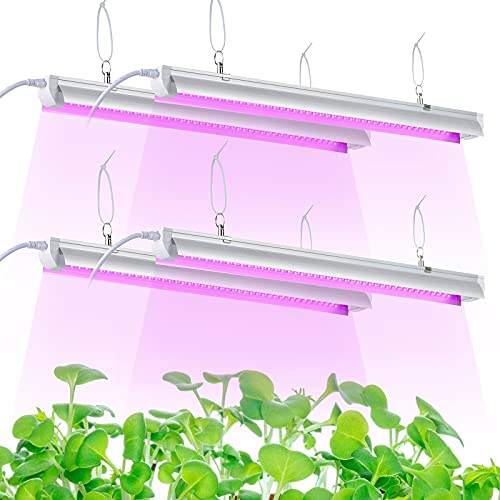
Full Spectrum - LED grow lights 2ft provide indoor plants with full-spectrum sunlight replacement. It provides the most reasonable grow light wave based on the ratio of the absorption of the plants
Natural Habitat Of Lettuce
Lettuce originates from regions with abundant sunlight. In its natural habitat, lettuce grows under full sun exposure. This environment supports robust leaf development and stem growth. Outdoor conditions typically include sunny days and moderate temperatures. Replicating these conditions in your garden cultivates strong, healthy lettuce plants.
Photosynthesis And Growth Rates
Sunlight drives photosynthesis, a critical process for lettuce growth. Photosynthesis converts sunlight into energy, fueling growth and nutrient production. Lettuce requires 6 to 8 hours of sunlight daily to maximize photosynthesis efficiency. Insufficient light slows growth rates, leading to leggy plants and bitter flavors. To optimize growth, plant lettuce in areas that receive direct sunlight, especially during morning hours. Tracking growth rates can help you adjust light exposure for future plantings.
Factors Influencing Sunlight Requirements
Sunlight plays a crucial role in lettuce growth, but several factors influence how much your plants need. These factors include the variety of lettuce and the climate where you’re growing.
Recommended Products

Complete Lettuce Garden Starter Kit Indoor – 5 heirloom salad and green seed packets, 8 biodegradable soil disks, 8 plant markers, and 8 starter pots. Romaine, Spinach, Arugula, Kale and Buttercrunch lettuce heirloom seeds are the star of the set!

Heirloom Non-GMO Seeds: seed pod kit contains 6 kinds of lettuce seeds, they are Red&Green Leaf Lettuce, Romaine, Butter Head, Bibb Lettuce, Boston Lettuce, Buttercrunch Lettuce. Various kinds of lettuce seeds, each one is rich in nutritional value. 100% Non-GMO, open pollinated

Green Low-Calorie Delights: inbloom hydroponic salad herb seed pod kit includes American fast lettuce, butter lettuce, red cherry tomato, and golden cherry tomato. More seeds, more combinations. Growing your own low-calorie food allowing you to enjoy salads bursting with flavor
Varietal Differences In Lettuce
Different types of lettuce thrive under varying sunlight conditions. For example:
- Romaine Lettuce: Romaine prefers full sun exposure, thriving with 6 to 8 hours of sunlight.
- Butterhead Lettuce: Butterheads do well in partial shade, especially during hot summer months.
- Leaf Lettuce: Leaf varieties generally tolerate some shade, needing about 4 to 6 hours of sunlight.
Selecting the right variety based on your available sunlight can help ensure healthy growth and optimal flavor.
Climate And Seasonal Considerations
Climate plays a significant role in how much sunlight lettuce requires. In cooler climates, lettuce flourishes with full sun, maximizing growth before extreme temperatures arrive.
- Hot Climates: In regions with high temperatures, lettuce can suffer from heat stress. Partial shade during the hottest parts of the day helps maintain freshness and prevent bolting.
- Seasonal Adjustments: During early spring or fall, when the sun’s intensity is lower, lettuce can thrive in full sun. As summer approaches, providing shade can enhance growth and taste.
Monitoring your specific climate conditions allows you to adjust sunlight exposure accordingly, ensuring your lettuce remains vibrant and flavorful.
Alternatives To Full Sun Exposure
Lettuce can thrive even without full sun exposure. Here are some effective alternatives for growing your lettuce in less-than-ideal lighting conditions.
Recommended Products

NOTE: The product stand needs to be pressed down by the flower pot to be stable. Not wireless style. 2 Installation Methods: Specially designed plant light for indoor plants, which can be inserted in the soil or stand for lighting.Unique and easy to assemble and disassemble.
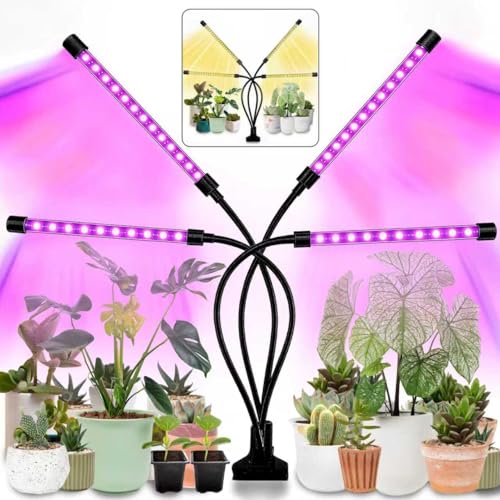
🌻Efficient LED Combination: This LED lamp has grow lights made up of 80 efficient growing LEDs ( 32 red lights, 12 blue lights,20 yellow lights and 16 white lights). It meets the conditions of plant growth without sunlight. 1--Full Spectrum(380nm-800nm): Suitable for all plants to root and sprout. 2--Red(660nm)+BLUE(460nm) Spectrum: for blooming and fruits. 3--Red+Blue+Full Spectrum: A mix of Red+Blue+Warm White is best to fuel the growth of your plants.

【Perfect for All Growth Stages】 Excellent full spectrum LED grow light, including white, blue, red. The 660nm red and white light speeds up flowering time and boosts yields. The 430nm blue light can accelerate the growth of plant rhizomes and leaves. Allows you to harvest easy-to-grow vegetables, flowers, and herbs in harsh environments
Partial Shade Options
Choosing the right lettuce variety makes partial shade a viable option. Varieties like Butterhead and Leaf lettuce adapt well to these conditions. Aim for 4 to 6 hours of indirect light each day.
- Location Matters: Place your lettuce near taller plants that provide shade during the hottest parts of the day.
- Timing: Consider growing lettuce in the spring or fall when sunlight isn’t as intense.
- Gardening Tips: Use shade cloth if needed to improve the growing environment without blocking too much light.
Indoor Growing Solutions
Growing lettuce indoors offers control over sunlight exposure and temperature. Here’s how to do it successfully:
- Choose Containers: Use pots or containers with good drainage for your lettuce.
- Lighting Options: Use LED grow lights to supplement natural light, keeping lights 12 to 24 inches above the plants.
- Temperature Control: Maintain a temperature range of 60°F to 70°F for optimal growth.
- Regular Maintenance: Water regularly and add fertilizer according to package instructions to nourish your indoor lettuce.
By using these alternatives, you can still enjoy fresh, homegrown lettuce even when full sun isn’t an option.
Conclusion
Growing lettuce can be a rewarding experience even if you don’t have full sun. By understanding the specific needs of different lettuce varieties and adjusting your approach based on your garden’s conditions you can still enjoy a bountiful harvest. Whether you choose to use partial shade or explore indoor growing options there are plenty of ways to cultivate fresh lettuce. With a little creativity and care you can ensure your lettuce thrives and adds that delicious crunch to your meals. Happy gardening!
Frequently Asked Questions
How much sunlight do lettuce plants need for optimal growth?
Lettuce plants require 6 to 8 hours of direct sunlight daily to thrive. Providing this amount of light ensures healthy growth and robust flavor.
Can lettuce grow in partial shade?
Yes, certain lettuce varieties like Butterhead can grow well in partial shade. Leaf varieties also tolerate some shade, making them suitable for less sunny spots.
How do different lettuce varieties affect sunlight needs?
Romaine prefers full sun, while Butterhead does well in partial shade, and Leaf varieties can adapt to some shade. Choosing the right variety helps meet specific sunlight conditions.
What adjustments can be made for growing lettuce in different climates?
In hotter climates, consider growing lettuce in the spring or fall. Adjusting exposure based on seasonal changes can help maintain healthy growth despite temperature fluctuations.
What are some indoor options for growing lettuce?
For indoor lettuce cultivation, use containers, LED grow lights, and control the temperature. Regular maintenance and monitoring ensure successful indoor growth even without natural sunlight.
