

Have you ever wondered why your lettuce plants aren’t thriving? One of the most common mistakes gardeners make is not watering them properly. Too much or too little water can lead to wilted leaves or even a failed crop.
Key Takeaways
- Watering Frequency: Adjust the watering schedule based on plant size and environmental conditions; seedlings need daily light watering while mature plants may require watering every other day in warm weather.
- Soil Moisture: Maintain consistently damp (not soggy) soil by monitoring the top inch; ensure the soil drains well to prevent root rot.
- Signs of Stress: Look for wilting, yellowness, or brittleness in leaves as indicators of underwatering, while yellowing and wilting despite wet soil suggest overwatering.
- Optimal Timing: Water in the early morning or late afternoon to reduce evaporation and lower disease risk, avoiding nighttime watering to prevent excess leaf moisture.
- Climate Adaptation: In hot climates, provide partial shade and consider more frequent watering, while cooler conditions may allow longer intervals between watering sessions.
- Soil Quality: Use well-draining, organic-rich soil with a pH of 6.0 to 7.0 to promote healthy growth and moisture retention.
Understanding Lettuce Plant Needs
Lettuce plants thrive with proper care, particularly regarding watering. Understanding their specific needs ensures healthy growth and delightful harvests.
Soil Requirements
Lettuce prefers well-draining, loose soil rich in organic matter. Aim for a soil pH between 6.0 and 7.0. Perform a soil test to determine nutrient levels and adjust accordingly. Incorporate compost or aged manure to enhance fertility. You should maintain moisture levels without causing saturation, as soggy soil can lead to root rot.
Climate Considerations
Lettuce grows best in cool temperatures, ideally between 60°F and 70°F. In hotter climates, provide partial shade to prevent bolting. During hot spells, you might need to water daily, while cooler conditions allow for watering every few days. Monitor for signs of stress, such as wilting, which indicate a need for more water.
Factors Influencing Watering Frequency
Several factors affect how often you should water your lettuce plants. Understanding these factors ensures healthy growth and vibrant leaves.
Recommended Products

Accurate Soil Moisture Detection: The XLUX Soil Moisture Meter can tell you if the soil deep inside your pot or garden is dry, moist or wet; whereas your eyes and fingers can only determine the moisture level of the soil surface. The probe is 5.5 inches (14 cm) longer than regular styles, allowing it to measure the soil moisture at the bottom of larger and deeper flower pots.
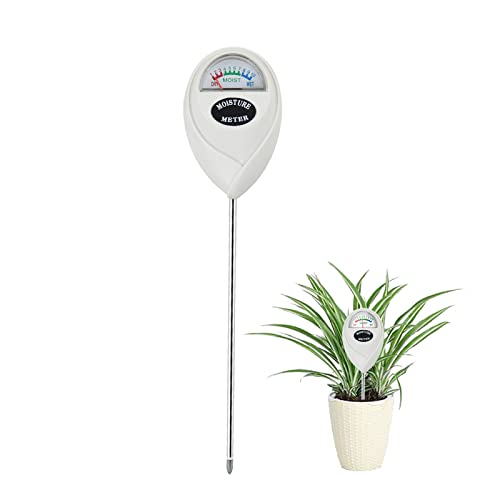
【SAVE YOUR PLANTS】: Over watering can cause problems with your plants or even kill them. This soil moisture meter helps you know the soil is dry, moist or wet.No more over watering!

Kindly NOTE: This soil tester can not be applied to test pH value of any other liquid. If the soil is too dry the indicator will not move, and water it before testing.
Plant Size and Growth Stage
Lettuce plants vary in their watering needs based on size and growth stage. Seedlings require light moisture to establish a robust root system. Water them gently but often enough to keep the soil consistently damp. As the plants mature, they develop larger root systems and need more water. Fully grown lettuce plants may require watering every other day, especially in warmer conditions. Adjust your watering frequency based on the plant’s size: small plants need less, while large plants need more.
Environmental Conditions
Environmental conditions play a crucial role in the watering frequency of lettuce. High temperatures and direct sunlight increase evaporation, meaning you might need to water daily. Conversely, cooler temperatures and overcast days may allow for longer intervals between waterings. Wind conditions can also dry out the soil, necessitating more frequent watering. Monitor your local weather and adjust accordingly to maintain optimal moisture levels. Always assess the soil’s moisture before watering; the top inch should be dry but not parched.
Best Practices for Watering Lettuce
Proper watering plays a crucial role in growing healthy lettuce. Observing your plants closely helps you identify their specific needs.
Recommended Products
Dimensions: 0.4 x 0.3 x 4.7 inches (small) - Intended for pot sizes of 2, 2.5, and 3 - Ideal for small succulents
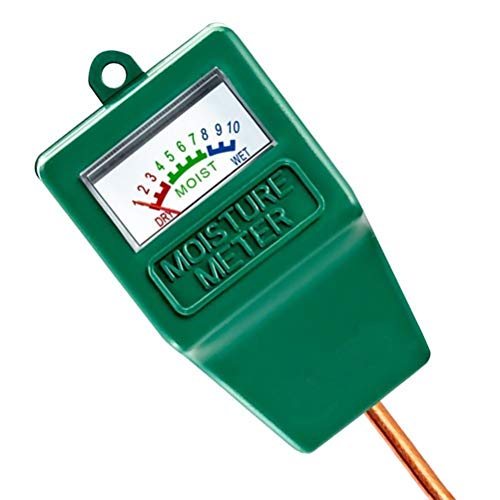
Soil Moisture Meter: This single probe soil moisture meter is specially designed for testing the moisture level in the soil, helps you decide whether the plants need water or not, helps to keep plants alive.
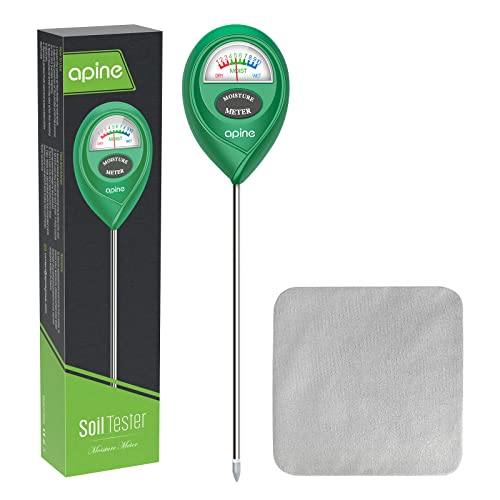
Quick Measurement:Just insert the probe of the plant water meter into the soil about two to four inches,wait a few seconds,you can get the soil moisture immediately.The color division of the dial is simple and clear,and the elderly can easily use it
Signs of Underwatering
Underwatering lettuce shows clear signs you can’t miss. Look for:
- Wilting Leaves: Leaves droop and lose firmness.
- Leaf Color: Leaves may appear dull or become lighter in color.
- Brittleness: Leaves feel dry and may easily break.
- Root Stress: Roots can become stunted if the soil lacks moisture.
To address underwatering, water your lettuce thoroughly. Ensure the soil is moist but not soggy.
Signs of Overwatering
Overwatering can damage lettuce just as much as underwatering. Watch for these indicators:
- Yellowing Leaves: Leaves turn yellow, starting from the base.
- Wilting Despite Moist Soil: Plants may wilt even when the soil feels wet.
- Root Rot: Roots appear dark or mushy, indicating decay.
- Fungal Growth: Mold or mildew may develop on the soil surface.
If you suspect overwatering, allow the soil to dry out. Adjust your watering schedule to prevent further issues.
By recognizing these signs, you can maintain a balanced watering routine for your lettuce plants.
Optimal Watering Schedule
Establishing a suitable watering schedule is crucial for healthy lettuce growth. This section outlines specific practices to maintain optimal moisture levels.
Recommended Products

Accurate Monitor: Visible window from blue to white as soil moisture decreases. One glance tells you if there's a water shortage.

Accurate Soil Moisture Detection: The XLUX Soil Moisture Meter detects deep soil moisture in pots or gardens (dry/moist/wet), unlike eyes or fingers that only sense surface soil.
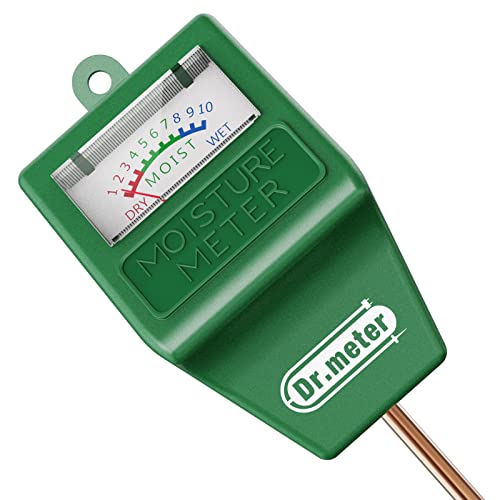
Compact & Portable: Have you been sticking your finger in the soil hoping to feel when it's time to water? Why not eliminate the guesswork and keep your hands clean when you use the Dr.meter Soil Moisture Sensor Meter! Know the right time to water your garden, farm, lawn and houseplants, anytime.
Daily vs. Weekly Watering
Watering frequency depends on several factors. In hot climates, you might water daily to prevent wilting and maintain moisture. During cooler conditions, watering every other day often suffices.
- Seedlings: Water lightly every day to establish roots.
- Young plants: Water every two to three days.
- Mature plants: Water every other day in warm weather, but adjust frequency based on soil moisture and environmental conditions.
Monitor your plants closely. If you notice signs of wilting, increase watering, or adjust according to weather conditions.
Time of Day for Watering
When you water impacts the moisture absorption of your lettuce. Aim to water in the early morning or late afternoon.
- Morning: Watering early allows leaves to dry during the day, reducing disease risk.
- Afternoon: If it’s a hot day, choose late afternoon to minimize evaporation loss and provide relief from heat.
Avoid watering at night. Excess moisture on the leaves can lead to fungal issues. By adjusting both the timing and frequency of your watering, you help ensure your lettuce thrives.
Conclusion
Getting the watering right for your lettuce plants can make all the difference in their growth and health. By paying attention to the signs your plants give you and adjusting your routine based on the weather and their stage of growth, you’ll set them up for success. Remember that a little observation goes a long way.
Whether you’re dealing with seedlings or mature plants, finding that sweet spot in watering frequency will keep your lettuce crisp and vibrant. So grab your watering can and enjoy the process of nurturing your garden. Happy gardening!
Frequently Asked Questions
How do I know if my lettuce needs water?
Lettuce needs water when you notice signs of stress, such as wilting leaves, dull color, and brittleness. Check the top inch of the soil; if it’s dry, it’s time to water.
What are the signs of overwatering lettuce?
Signs of overwatering include yellowing leaves, wilting despite moist soil, and root rot. If you observe these symptoms, allow the soil to dry out before watering again.
How often should I water my lettuce plants?
Watering frequency depends on various factors. In hot weather, mature plants may need water every other day. In cooler conditions, you might water every two to three days.
What soil conditions are best for growing lettuce?
Lettuce thrives in well-draining, loose soil rich in organic matter. The ideal pH level is between 6.0 and 7.0, so performing a soil test is recommended.
Can temperature affect how I water lettuce?
Yes, temperature significantly influences watering needs. Lettuce grows best in cooler temperatures (60°F to 70°F). In hotter climates, daily watering may be necessary, while cooler days allow for less frequent watering.
