

Ever wondered how much lettuce you should really use in a salad? You’re not alone. Whether you’re prepping a quick lunch or hosting a dinner party, finding the right amount can be tricky. Too little and your salad feels sparse; too much and it overwhelms the other ingredients.
Key Takeaways
- Optimal Lettuce Amounts: For individual salads, aim for 2 to 4 cups of lettuce, while family-sized servings should include 1 to 2 cups per person.
- Nutritional Benefits: Lettuce is low in calories and rich in essential vitamins such as Vitamins A and K, enhancing overall health.
- Salad Type Matters: The type of salad significantly influences the quantity of lettuce; for example, Caesar salads typically require more, about 2 to 3 cups, compared to mixed greens salads.
- Flavor Contributions: Different lettuce varieties, like romaine and arugula, offer unique textures and flavors, allowing for enhanced taste experiences in salads.
- Serving Considerations: Adjust lettuce amounts based on total meal size and the presence of other ingredients to ensure a balanced and satisfying salad.
Importance Of Lettuce In A Salad
Lettuce plays a vital role in salads, serving both functional and flavorful purposes. Balancing the right amount of lettuce enhances the overall salad experience.
Nutritional Benefits
Lettuce offers various nutritional benefits. It typically contains low calories, making it an excellent base for a healthy meal. One cup of shredded lettuce provides about 5 calories, 1 gram of fiber, and essential vitamins, such as Vitamin A and Vitamin K. These nutrients support your immune system and bone health. Incorporating different lettuce types, like romaine or spinach, introduces diverse vitamins and minerals, increasing the salad’s health benefits.
Flavor Profile
Lettuce contributes importantly to a salad’s flavor profile. It adds a crisp texture and mild taste, allowing other ingredients, like dressings and vegetables, to shine. Varieties like butter lettuce have a softer, sweeter flavor, while arugula provides a peppery kick. You can mix different lettuces to create an exciting blend of textures and tastes. By doing this, you enhance the overall enjoyment of your salad, ensuring it appeals to various palates.
Factors Affecting Lettuce Quantity
Several factors influence how much lettuce you’ll include in your salad. Understanding these factors helps achieve the perfect balance for flavor and nutrition.
Type Of Salad
Different salads call for varying amounts of lettuce. For instance, a Caesar salad typically uses romaine lettuce in larger quantities, around 2 to 3 cups per serving. In contrast, a mixed greens salad can include a lighter amount, like 1 to 2 cups, allowing other ingredients like fruits or nuts to shine. When making a hearty salad with grains or proteins, a smaller lettuce base can suffice. A wedge salad relies heavily on lettuce as the star ingredient, generally using one whole head of iceberg per serving.
Serving Size
Serving size plays a crucial role in determining lettuce quantity. On average, you can expect to serve about 2 cups of salad per person. For a side salad, aim for 1 cup of lettuce. If you’re preparing a salad as the main dish, 3 to 4 cups of lettuce works well. Adjust the amount based on the total meal size and guests’ appetite. If you’re expecting large portions of other ingredients, reduce the lettuce accordingly. Always consider the overall composition of the salad to ensure a satisfying experience.
Recommended Lettuce Amounts
Determining the right amount of lettuce for your salad depends on serving size and type. Here’s a breakdown to guide you.
Recommended Products

High quality, Tritan material is resistant to acid, high heat, and scratches and offers the same level of clarity as glass.

COMPACT SALAD SPINNER, BIG PERFORMANCE — Small salad spinner packs full-size drying power in a space-saving design. One-hand pump spins lettuce, herbs & greens dry in seconds. Best rated by thousands. Perfect for apartments, couples & small kitchens.
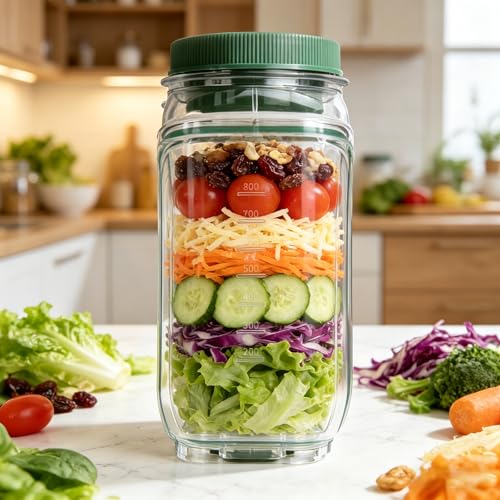
Double-Sealed For Lasting Freshness: Salad Pod Leak-Proof Design Features A Silicone Seal And Innovative Locking Mechanism, Ensuring Sauces, Broths, And Liquids Stay Completely Contained Even During Vigorous Shaking Or Tilting. It Effectively Blocks Air To Lock In Moisture And Freshness For Salads, Fruits, And Snacks—Keeping Everything Crisp And Flavorful From Morning Prep To Lunchtime Enjoyment
For Individual Servings
For personal salads, aim for 2 to 4 cups of lettuce per serving.
- Green salads: Use 2 to 3 cups for a light side salad.
- Main course salads: Consider 3 to 4 cups if it’s the star of the meal, such as a chef’s salad or a hearty taco salad.
- Caesar or wedge salads: These may need around 3 cups to ensure they satisfy.
Adjust these amounts based on your appetite and the type of toppings included.
For Family Portions
For family-style meals, the general guideline is 1 to 2 cups per person.
- Feeding a family of four: Prepare 4 to 8 cups for a side salad.
- Larger gatherings: Estimate about 1 cup of lettuce per guest for side salads, and around 2 cups per person for main salads, ensuring everyone leaves full.
- Mixed greens or pasta salads: These often require around 8 to 12 cups total, depending on additional ingredients.
Always consider the total ingredients in your salad for a balanced experience. By adjusting these amounts, you ensure your salads are both satisfying and delicious.
Common Types Of Lettuce Used
Lettuce forms the foundation of many salads, contributing flavor, texture, and nutrition. Various types of lettuce offer unique characteristics, making each salad distinct.
Recommended Products
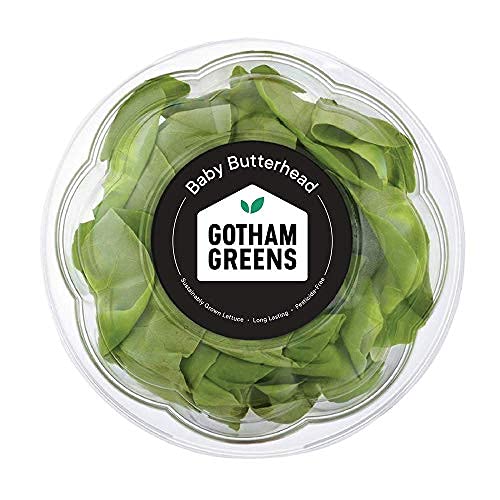
Selected and stored fresh

Washed and ready to enjoy

Healthy Food Source: Because of its tender flavor, lettuce is a popular vegetable for salad, sandwiches, wraps, soups, stir-fries and juice. There are over 20,000 seeds, 10 kinds of lettuce collection, including bibb, boston, iceberg, buttercrunch, grand rapids TBR, oakleaf, ruby leaf, cimmaron romaine and waldmann's
Romaine Lettuce
Romaine lettuce features crisp, sturdy leaves and a slightly bitter flavor. It’s a popular choice for Caesar salads. You might use about 2 to 3 cups of romaine per serving. Romaine offers a satisfying crunch while holding dressings well, enhancing the overall taste of the salad. Look for vibrant green leaves, as they indicate freshness.
Iceberg Lettuce
Iceberg lettuce has a mild flavor and crunchy texture. It often comprises salads due to its high water content, providing a refreshing crunch. You can use 1 to 2 cups of iceberg lettuce per serving. This type is great for balancing more robust ingredients, like meats or cheeses. Select heads that feel heavy and firm for the best quality.
Conclusion
Finding the right amount of lettuce for your salad can make all the difference in taste and satisfaction. Whether you prefer the crispness of Romaine or the mildness of Iceberg you can easily adjust based on your personal preference and the other ingredients you’re using.
Remember to consider the type of salad you’re making and how hungry you are. With a little experimentation you’ll discover the perfect balance that keeps your salads fresh and enjoyable every time. So go ahead and get creative with your lettuce choices and enjoy every bite!
Frequently Asked Questions
What is the nutritional value of lettuce?
Lettuce is low in calories and high in water content, making it an excellent choice for hydration and weight management. It provides essential vitamins and minerals such as vitamin A, vitamin K, and folate, contributing to overall health.
What are the different types of lettuce?
Common types of lettuce include Romaine, Iceberg, Butterhead, and Leaf lettuce. Each type offers unique textures and flavors, with Romaine being crunchy and flavorful, while Iceberg is crisp and mild.
How much lettuce should I serve per salad?
Serving sizes of lettuce vary depending on the salad type. Generally, 1 to 4 cups of lettuce per serving is recommended. For Caesar salads, aim for 2 to 3 cups of Romaine; for mixed greens, 1 to 2 cups of Iceberg is ideal.
Why is lettuce important in salads?
Lettuce adds crunch, volume, and nutritional value to salads. It also serves as a base that enhances the flavors of other ingredients, making salads more enjoyable and satisfying.
How can I adjust my lettuce serving size?
You can adjust lettuce quantities based on your appetite and the toppings in your salad. More toppings may require less lettuce for balance, while lighter salads can benefit from larger portions of lettuce.
