

Ever wondered how often you should water your lettuce plants? If you’ve tried growing them, you know that getting the watering right can be tricky. Too little water and your greens might wilt; too much and they could rot. It’s a balancing act that can leave even seasoned gardeners scratching their heads.
Key Takeaways
- Moisture Consistency: Lettuce plants thrive in consistently moist, well-draining soil. Avoid sogginess to prevent root rot.
- Watering Frequency: Water every 2-3 days during warm weather; adjust based on temperature, with more frequent watering in heat and less in cooler conditions.
- Soil Type Impact: Different soil types require different watering frequencies; sandy soils drain fast and may need daily watering, while clay soils can go 4-6 days between waterings.
- Signs of Water Stress: Watch for yellowing leaves (overwatering) and droopiness (underwatering) to gauge your lettuce plants’ moisture needs accurately.
- Effective Watering Techniques: Use a soaker hose for even moisture and water early in the morning to minimize evaporation and enhance absorption.
- Mulch Benefits: Applying organic mulch helps retain soil moisture and regulates temperature, promoting healthier plants.
Understanding Lettuce Plant Watering Needs
Lettuce plants require consistent moisture to thrive. They prefer evenly moist soil but not soggy conditions. Here’s what you should know about their watering needs.
Soil Moisture Level
- Check the soil: Before watering, stick your finger about an inch into the soil. If it feels dry, it’s time to water.
- Monitor moisture: Soil should feel damp but not waterlogged. Over-saturation can lead to root rot, while dry soil may cause wilting.
Frequency of Watering
- Watering schedule: Water lettuce every 2-3 days during warm, dry weather.
- Adjust with conditions: Increase frequency in hot weather and decrease during cooler, rainy days. This flexibility helps maintain the right moisture balance.
Watering Techniques
- Use a soaker hose: Provides consistent moisture and reduces evaporation.
- Water early in the morning: This practice minimizes evaporation and helps the plants absorb moisture effectively.
Signs of Water Stress
- Yellowing leaves: Often indicates overwatering, particularly if further wilting occurs.
- Droopy leaves: This symptom typically signals underwatering, requiring immediate attention.
- Consider mulch: Applying a layer of organic mulch can help retain soil moisture and regulate temperature.
- Fertilize wisely: Some fertilizers can increase the need for water. Adjust your watering based on fertilizer type and application frequency.
By keeping these points in mind, you can support your lettuce plants and help them grow healthy and vibrant.
Factors Affecting Watering Frequency
Watering frequency for lettuce plants depends on several key factors that influence their water needs. Understanding these can help maintain optimal moisture levels.
Soil Type
Soil type plays a significant role in how often you water your lettuce. Sandy soils drain quickly, requiring more frequent watering—daily in some cases—especially in warm weather. Clay soils retain moisture longer, so watering every 4-6 days might suffice. Loamy soils strike a balance between the two, needing watering every 2-3 days. Check the soil moisture regularly to adjust your watering schedule based on its type.
Weather Conditions
Weather conditions strongly impact watering frequency. Hot, dry weather increases evaporation rates, leading to faster soil drying. In such conditions, watering every 2-3 days ensures your lettuce stays hydrated. Conversely, cooler, humid weather retains moisture longer, potentially allowing for watering every 5-7 days. Monitor local forecasts and adjust accordingly, especially during periods of extreme heat or rainfall.
Plant Variety
Different varieties of lettuce exhibit varying water requirements. Leafy types, like romaine, often prefer more water due to their larger surface area, thriving with consistent moisture. Butterhead varieties, on the other hand, can tolerate drier conditions. Knowing your variety helps tailor your watering strategy; check seed packets for specific advice on water needs. Adjusting your approach based on the plant’s variety supports healthy growth and prevents issues.
Signs of Overwatering and Underwatering
Understanding the signs of overwatering and underwatering is crucial for the health of your lettuce plants. Observing these signs helps you adjust your watering routine effectively.
Recommended Products

Trusted Since 2015: Become one of the many plant lovers who rely on the proven accuracy of XLUX. Established in 2015, our soil moisture meter has earned over 60,000+ verified ratings for its consistent performance. While many many newer brands come and go, we provide the long-term reliability and quality that American households have trusted for over a decade.
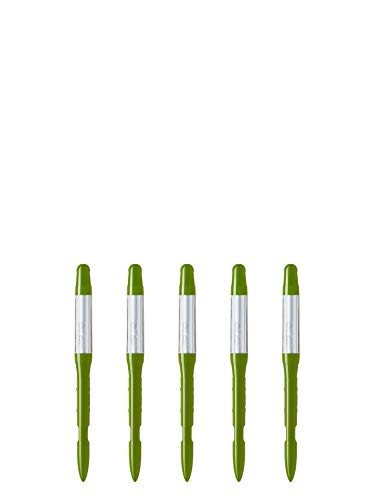
Dimensions: 0.4 x 0.3 x 4.7 inches (small) - Intended for pot sizes of 2, 2.5, and 3 - Ideal for small succulents

【SAVE YOUR PLANTS】: Over watering can cause problems with your plants or even kill them. This soil moisture meter helps you know the soil is dry, moist or wet.No more over watering!
Leaf Texture Changes
- Leaves become limp and droopy when underwatered. This indicates that your lettuce plants lack sufficient moisture.
- Leaf edges may get crispy or brown, signaling a need for more water.
- Overwatered plants exhibit soft, mushy leaves. The texture feels almost slimy.
- Yellowing leaves occur in both cases. With underwatering, older leaves turn yellow, while in overwatering, new growth may yellow.
- Root rot happens from consistent overwatering. The roots appear dark, mushy, and may emit a foul odor.
- Healthy roots look firm, white, and well-developed in properly watered plants.
- Stunted growth can indicate root distress. Underwatered plants may have poorly developed root systems.
- Soil moisture levels play a role. Keeping your soil consistently moist—without being soggy—promotes root health.
Regular monitoring ensures you meet your lettuce plants’ watering needs, promoting robust growth and preventing common issues related to moisture imbalance.
Best Practices for Watering Lettuce
Maintaining the right watering routine is essential for healthy lettuce plants. Focus on creating a consistent schedule and employing effective watering methods.
Recommended Products

Slowly waters the soil around your plants for complete root zone hydration; Ideal for short runs on flat surfaces, such as vegetable gardens, borders, and around small plants
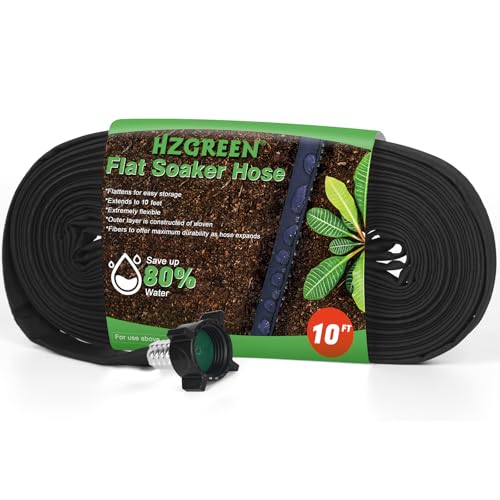
【80% Water Saving】The flat soaker hose adopts a double-layer design, so that the water can penetrate to the roots of the plants along the flat soaker hose , and will not be wasted everywhere.Leaks at a rate of 1 gallon per 1 minute under conventional 50 PSI.
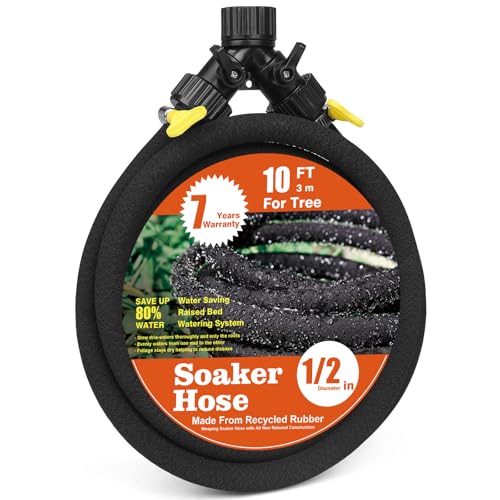
Tree soaker hose 10 FT Length with Extra Clamps and Washers.
Recommended Watering Schedule
Water lettuce plants every 2-3 days in warm, dry weather. Increase frequency to daily for sandy soils, as they drain quickly. For clay soils, aim for every 4-6 days due to slower drainage. Adjust watering based on variations in weather; hot, dry days demand more water, while cool, humid conditions allow for longer intervals. Check soil moisture with your finger—if the top inch feels dry, it’s time to water.
Methods of Watering
Use a soaker hose for even moisture distribution without wetting leaves. Watering in the morning reduces evaporation and helps prevent disease. For precise targeting, use a watering can or a nozzle with a gentle spray. Avoid overhead watering during peak sun hours to minimize water loss. Consider using mulch to retain soil moisture and reduce temperature fluctuations.
Conclusion
Getting the watering right for your lettuce plants is key to a healthy harvest. By staying attentive to soil moisture and adjusting based on weather and soil type you can keep your plants thriving. Remember to check for signs of stress and tweak your approach as needed. With a little care and observation you’ll be on your way to enjoying fresh and crisp lettuce right from your garden. Happy gardening!
Frequently Asked Questions
How often should I water lettuce plants?
Lettuce plants generally need watering every 2-3 days in warm, dry weather. However, factors like soil type, weather conditions, and the specific lettuce variety can influence this frequency.
What affects the watering frequency for lettuce?
Watering frequency for lettuce depends on soil type (sandy, clay, or loamy), weather conditions (hot or humid), and the lettuce variety being grown, as different types have varying water needs.
How can I check soil moisture for my lettuce?
You can check soil moisture by sticking your finger about an inch deep into the soil. If it feels dry, it’s time to water. You can also use a moisture meter for more accuracy.
What signs indicate overwatering or underwatering in lettuce?
Signs of overwatering include yellowing leaves, wilting, and root rot. Underwatering typically shows as wilting, crispy leaves, or slow growth. Regular monitoring is essential for healthy plants.
What watering techniques are recommended for lettuce?
Using soaker hoses for even moisture distribution and watering in the morning can help prevent disease and allow the soil to absorb water efficiently. It’s crucial to maintain consistent moisture levels.
Do different lettuce varieties have different water requirements?
Yes, different lettuce varieties have varying water needs. Leafy types generally require more frequent watering compared to butterhead varieties, which can tolerate slightly drier conditions.
