

Have you ever wondered how to save your favorite lettuce varieties for next season? Harvesting lettuce seeds can seem tricky, but it’s easier than you might think. If you’ve enjoyed growing lettuce in your garden, why not take it a step further and collect seeds for future planting?
Key Takeaways
- Timing is Key: Harvest lettuce seeds when the plants bolt and the seed heads turn brown and dry, typically during late spring or early summer.
- Manual vs. Mechanical Harvesting: Choose manual harvesting for smaller gardens and consider mechanical extraction for larger operations to save time and effort.
- Proper Cleaning: After harvesting, clean seeds by removing chaff and debris. Let them dry adequately before storage to maintain viability.
- Storage Techniques: Store seeds in labeled envelopes or airtight containers in a cool, dry place to ensure they remain viable for several seasons.
- Select the Right Variety: Opt for heirloom lettuce varieties known for reliable seed production, as they often produce plants similar to their parent.
- Monitor for Quality: Regularly check stored seeds for signs of moisture or pests to ensure their quality and longevity.
Understanding Lettuce Seed Harvesting
Harvesting lettuce seeds involves timing, preparation, and careful handling. Begin by waiting until the lettuce plants bolt, which means they flower and produce seed heads. This process usually occurs in late spring or early summer. Watching for this stage is crucial, as it indicates that the seeds are maturing.
Once you observe the flowers turning into seed heads, allow them to dry on the plant for a few days. This drying ensures that the seeds reach their maximum viability. If rain threatens, consider covering the seed heads to prevent moisture from affecting the seeds.
When the seed heads fully dry, gather your harvesting materials. You’ll need a paper bag or a small container to collect the seeds. Cut the seed heads with scissors or shears, placing them directly into your chosen container. Avoid damaging the seeds during this process.
Next, separate the seeds from the chaff. Gently rub the seed heads between your fingers to release the seeds. For thorough cleaning, use a fine sieve to sift through the chaff. This step helps ensure that you collect only the seeds for storage.
Store your harvested seeds in a cool, dry place. Use labeled envelopes or airtight containers to keep them organized. Proper storage can maintain seed viability for several seasons. Remember to check the seeds periodically for signs of moisture or pests.
Preparing For Seed Harvest
Preparing for seed harvest involves careful planning and attention to details. Taking the right steps ensures you gather high-quality seeds.
Recommended Products

4 Popular Heirloom Lettuce Varieties: Includes Red Romaine, Bibb Butterhead, Black Seeded Simpson, and Green Ice lettuce seeds to grow crisp, tender, and colorful salad greens with balanced flavor, texture, and visual appeal.
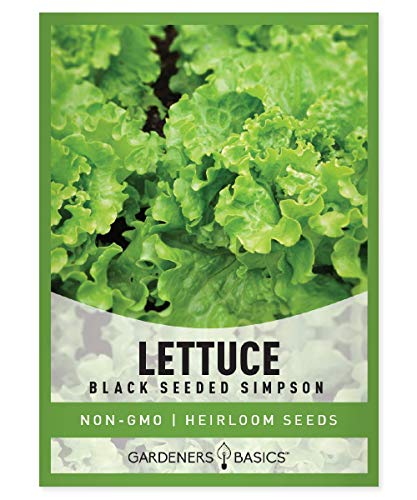
Black Seeded Simpson is a classic heirloom loose leaf lettuce with large, tender green leaves and a mild, sweet flavor. Harvest fresh leaves for salads, sandwiches, wraps, and other homegrown meals.

YEAR-ROUND GARDEN FAVORITE – Dependable butterhead lettuce that thrives in cool or moderate weather for consistent harvests from spring through fall, even under cover in winter
Selecting The Right Lettuce Variety
Select lettuce varieties known for good seed production. Heirloom varieties often provide the best seeds, as they reliably produce plants similar to their parent. Some popular options include:
- Romaine: Tolerates heat and has a robust growth habit.
- Butterhead: Known for its tender leaves and flavor.
- Iceberg: Produces dense heads, though seeds may take longer to mature.
Research each variety’s growth characteristics and choose one that thrives in your climate. Familiarity with the plant will aid you in understanding its flowering and seed production timelines.
Timing The Harvest
Timing the harvest is crucial for optimal seed quality. Monitor your lettuce plants closely during the late flowering stage. Wait until the seed heads turn brown and dry, signaling peak readiness. Follow these steps:
- Observe Flowering: Lettuce typically bolts and flowers in late spring or early summer. Look for the transition from leafy growth to flower spikes.
- Check Seed Heads: When seed heads appear dry and brown, they’re ready to harvest. This usually occurs about 2-3 weeks after flowering starts.
- Wait for a Clear Weather Window: Choose a dry day for harvesting. Wet conditions can complicate drying and increase the risk of rot.
By timing your harvest correctly, you ensure the seeds are mature and viable for future planting.
Harvesting Techniques
Harvesting lettuce seeds involves specific methods that ensure you collect viable seeds efficiently. Two main techniques are manual and mechanical harvesting.
Manual Harvesting
Manual harvesting requires a few simple steps.
- Select the Seed Heads: Choose mature seed heads that have dried but are not fully brown. Look for seed heads that feel firm and contain seeds.
- Cut the Seed Heads: Use sharp scissors or garden shears to cut the seed heads off the plant. Aim for a cut just below the seed head to minimize chaff.
- Place in a Container: Collect the seed heads in a paper bag or container. Avoid plastic to prevent moisture buildup.
- Separate Seeds from Chaff: Once home, gently shake or rub the seed heads to release seeds. Use a sieve, if available, to sift out the chaff.
- Store Properly: Store the cleaned seeds in a labeled envelope or airtight container. Place in a cool, dry location for long-term storage.
Mechanical Harvesting
Mechanical harvesting is suitable for larger gardens or farms.
- Use a Seed Extractor: Invest in a seed extractor specifically designed for delicate seeds like lettuce.
- Setup the Equipment: Follow the manufacturer’s instructions to set up the extractor. Ensure it’s clean to avoid contaminating the seeds.
- Harvest the Seed Heads: Feed the mature seed heads into the extractor. This machine separates the seeds from the chaff quickly and efficiently, saving time.
- Collect and Store: Gather the extracted seeds and store them as mentioned in the manual harvesting section.
By understanding and employing these techniques, you’ll efficiently harvest and preserve your lettuce seeds for future planting.
Post-Harvest Processing
After collecting lettuce seeds, proper post-harvest processing ensures their viability and quality. Two key steps involve cleaning and storing your seeds effectively.
Recommended Products

PRODUCT SIZE: 7.5inch high and 5.2inch wide, our air tight pantry is suit for tea, honey, coffee beans,Spice,Cereal,Egg,Flour.

[Upgraded Protection for Your Seed]: SMUJU seed storage organizer using a combination of small glass bottles with corks and wooden corks,which can ensure that the seeds are protected from water vapor and sunlight, preventing oxidation and spoilage of the seeds, thereby increasing the survival rate and germination rate of the seeds. Compared to other plastic bottle, SMUJU glass seed storage bottles are more sturdy and more sealed.(Seeds Not Included)

ITALIAN QUALITY: The Bormioli Rocco Group has a long tradition in glass, starting in Parma in 1825. Each and every one of our products is made in Italy with care and the finest quality materials. In fact, all the components are made in Italy, from the glass jar to the metal clamp and gasket. Out clear jars are BPA-free, strong and durable so you can always count on them for flawless results.
Cleaning The Seeds
Cleaning lettuce seeds is crucial for removing debris and ensuring purity. Start by placing the harvested seed heads in a dry area with good air circulation for 2-3 days. Next, gently rub the seeds between your fingers to release them from the chaff.
Use a fine mesh sieve or a screen to sift out any larger plant material and dust. Rinse the seeds in a small amount of water, allowing any remaining chaff to float away. Afterward, spread the seeds on a paper towel or a clean, dry surface to air dry completely for a couple of days.
Storing The Seeds
Storing lettuce seeds correctly maintains their freshness and germination rate. Place completely dried seeds into a labeled envelope or a small glass jar.
Select a cool, dark place with low humidity for storage, such as a pantry or a refrigerator. Keep seeds away from heat sources and moisture. Generally, seeds remain viable for up to 5 years when stored under the right conditions. Check stored seeds regularly for any signs of mold or moisture to ensure they stay in good condition.
Conclusion
Harvesting lettuce seeds can be a rewarding experience that helps you grow your garden year after year. By paying attention to the right timing and using proper techniques you can ensure a successful harvest. Remember to take care during post-harvest processing and store your seeds in ideal conditions to keep them viable for future planting.
With a little patience and care you’ll have a steady supply of fresh lettuce seeds ready to grow. Enjoy the satisfaction of nurturing your plants from seed to table and happy gardening!
Frequently Asked Questions
When is the best time to harvest lettuce seeds?
Harvest lettuce seeds when the plants bolt and produce seed heads, typically in late spring or early summer. Wait for the seed heads to dry on the plant for a few days to ensure maximum seed viability.
What techniques can be used for harvesting lettuce seeds?
You can harvest lettuce seeds manually by hand or use mechanical methods with a seed extractor for more efficiency. Both methods can yield good results, depending on the size of your harvest.
How should I clean lettuce seeds after harvesting?
After harvesting, clean the seeds by removing any debris or plant material. This step is crucial for maintaining seed quality and viability for future planting.
How do I store harvested lettuce seeds properly?
Store harvested lettuce seeds in labeled envelopes or glass jars. Keep them in a cool, dark place with low humidity to maintain freshness and germination rates for up to 5 years.
How often should I check stored seeds for quality?
Regularly check your stored lettuce seeds for signs of mold or moisture. This ensures that they remain in good condition and are viable for future planting.
