

Have you ever wondered how to keep your potted lettuce thriving? It’s a common challenge for many gardeners. You want crisp, fresh leaves but aren’t sure how much water is just right. Too little, and your plants wilt; too much, and they drown.
Key Takeaways
- Consistent Moisture is Key: Lettuce in pots requires consistent moisture to thrive, preventing wilting and bitterness in the leaves.
- Understand Environmental Factors: Watering frequency varies based on climate, pot size, and soil type; adjust your schedule according to temperature and humidity levels.
- Signs of Watering Issues: Recognize signs of overwatering (yellowing leaves, mushy roots) and underwatering (wilted, crispy leaves) to maintain plant health.
- Effective Watering Techniques: Use a watering can with a fine spout, soak thoroughly, and avoid wetting the leaves to reduce disease risk.
- Morning Watering is Optimal: Watering in the morning maximizes absorption and minimizes evaporation, promoting healthier lettuce growth.
Importance Of Watering Lettuce In Pots
Watering lettuce in pots plays a vital role in its growth and overall health. Proper moisture levels ensure your lettuce thrives, producing crisp, flavorful leaves.
Optimal Growth Conditions
Lettuce needs consistent moisture. Without enough water, it can wilt and suffer from stress. This affects growth rates and leads to bitterness in the leaves. On the other hand, too much water can drown the roots, causing rot. Striking a balance is crucial.
Nutrient Uptake
Water serves as a medium for nutrient transport. It carries essential nutrients from the soil to the plant. Maintaining adequate moisture levels allows for better nutrient absorption, leading to healthier plants. If the soil dries out, nutrient uptake decreases, impacting leaf quality and flavor.
Pest and Disease Prevention
Watering strategies can influence pest and disease incidence. Consistent moisture reduces vulnerability to pests like aphids and diseases such as downy mildew. When lettuce remains hydrated, it strengthens its defenses, making it less appealing to unwanted guests.
Environmental Factors
Environmental conditions affect how often you water. Heat, humidity, and pot size play significant roles. During hot summer days, your lettuce might require daily watering, while cooler weather might only need it every few days. Always check the soil moisture level with your finger; if the top inch is dry, it’s time to water.
Application Method
Watering method impacts how effectively moisture reaches the roots. Use a gentle spray or watering can to avoid displacing the soil. Ensure water seeps through the pot’s drainage holes to promote healthy root growth.
Regularly assessing these factors ensures your lettuce remains hydrated and thriving in its pot.
Factors Influencing Watering Frequency
Several factors affect how often you water potted lettuce. Understanding these elements helps maintain the right moisture levels for your plants.
Recommended Products
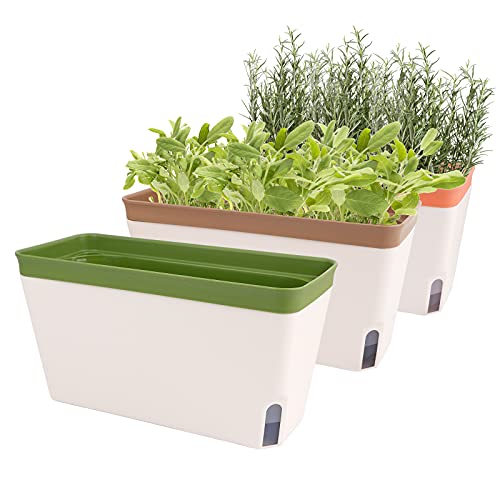
SELF-WATERING PRINCIPLE: Through two absorbent cotton ropes, the self watering pots provide water to the soil and keep the soil moist through the principle of osmosis, without having to water the plants regularly. Even if you leave home for a few days, it can help you take care of the plants and avoid plants die from water shortage.

Indoor plants are beneficial to mental health and our well-being, not to mention a great way to enhance the overall look and feel of your home. every time you look at these plants they add a smile to your face.

Slotted & Multi-hole Ventilation Structure:Ideal semi hydroponic pots featured with water inlet holes and absorbent columns. Matched water reservoir supports up to 7 days no watering. Side vents and bottom columns drain surplus water, enhance air circulation for sound root development.
Climate Conditions
Climate significantly impacts watering needs. In hot, dry weather, lettuce tends to dry out faster. You may check the soil moisture daily or every other day. Conversely, cooler and humid conditions reduce water loss, enabling you to water less frequently. Aim for consistency, as fluctuations can stress the plants.
Pot Size and Type
Pot size and type play a critical role in moisture retention. Larger pots hold more soil, which retains moisture longer than smaller pots. Choose pots with drainage holes to prevent waterlogging. Monitor smaller pots closely, as they dry out quickly. A self-watering pot can help maintain consistent moisture levels.
Soil Quality
Soil quality affects drainage and moisture retention. Use a well-draining potting mix enriched with organic matter. This mix retains moisture while allowing excess water to escape. Regularly assess soil texture; it should feel moist but not soggy. Consider using mulch on top of the soil, as this helps retain moisture and prevents evaporation.
Recommended Watering Schedule
Establishing a proper watering schedule is essential for growing healthy lettuce in pots. The frequency of watering depends on several factors, including climate, pot size, and soil type.
Recommended Products

Accurate Soil Moisture Detection: The XLUX Soil Moisture Meter can tell you if the soil deep inside your pot or garden is dry, moist or wet; whereas your eyes and fingers can only determine the moisture level of the soil surface. The probe is 5.5 inches (14 cm) longer than regular styles, allowing it to measure the soil moisture at the bottom of larger and deeper flower pots.

【SAVE YOUR PLANTS】: Over watering can cause problems with your plants or even kill them. This soil moisture meter helps you know the soil is dry, moist or wet.No more over watering!

Soil Moisture Meter: This single probe soil moisture meter is specially designed for testing the moisture level in the soil, helps you decide whether the plants need water or not, helps to keep plants alive.
Daily Vs. Weekly Watering
Consider watering your lettuce pots daily during hot, dry days. Lettuce prefers consistent moisture, and daily checks ensure that the soil doesn’t dry out completely. When temperatures cool down or during high humidity situations, you might only need to water every few days. Assess the soil moisture by sticking your finger about an inch deep; if it feels dry, it’s time to water.
Signs Of Overwatering And Underwatering
Recognizing the signs of overwatering or underwatering can help maintain your lettuce health.
- Overwatering Signs: Look for yellowing leaves, especially at the base. Wilting despite wet soil indicates root rot. Mushy roots and a foul smell suggest excess water.
- Underwatering Signs: Watch for wilting leaves that appear limp and dry. If the leaves are crispy and brittle, soil moisture might be too low. You’ll also notice a bitter taste in the leaves when they’re under-watered.
By monitoring these signs and adjusting your watering schedule accordingly, you can cultivate thriving lettuce plants.
Best Practices For Watering Lettuce
Watering lettuce requires specific techniques to maintain optimal moisture levels. Following certain practices ensures your potted lettuce thrives.
Watering Techniques
- Soak Thoroughly: Water the lettuce until the excess drains out of the bottom. This promotes deep root growth and helps the plant absorb nutrients effectively.
- Use a Watering Can: A watering can with a fine spout provides controlled water flow, preventing soil displacement and minimizing runoff.
- Avoid Leaf Wetting: Direct water at the soil and avoid wetting the leaves to reduce the risk of fungal diseases.
- Monitor Soil Moisture: Check the top inch of soil with your finger. If it’s dry, it’s time to water. This method prevents under or overwatering.
- Water in the Morning: Watering in the early morning allows the plants to absorb moisture before the heat sets in. It also reduces evaporation losses.
- Avoid Midday Watering: Avoid watering during peak sunlight hours. Water can evaporate quickly, leaving less for the plants.
- Water in the Evening: If morning watering isn’t possible, consider evening watering, allowing moisture to soak in overnight. Just ensure leaves dry before nightfall to prevent mildew.
By implementing these best practices, you create an ideal growing environment for your potted lettuce, promoting stronger, healthier plants.
Conclusion
Caring for potted lettuce can be a rewarding experience when you get the watering just right. By paying attention to your plants and their environment you can strike that perfect balance of moisture. Regularly checking soil moisture and adjusting your watering schedule based on weather conditions will help keep your lettuce healthy and flavorful.
Remember to use the right techniques to promote deep root growth and minimize disease risk. With a little practice you’ll be well on your way to enjoying a bountiful harvest of crisp, delicious lettuce right from your pots. Happy gardening!
Frequently Asked Questions
What is the best way to water potted lettuce?
The best way to water potted lettuce is to water thoroughly and evenly, allowing the water to soak deep into the soil. Use a watering can with a fine spout to control the flow and avoid wetting the leaves, which can cause fungal diseases. Water in the morning for optimal moisture absorption before the heat of the day.
How often should I water my potted lettuce?
Watering frequency depends on climate conditions. During hot, dry periods, daily watering may be necessary, while cooler, humid days might require less frequent watering. Always check the soil moisture about an inch deep to determine when to water.
What signs indicate overwatering in lettuce plants?
Signs of overwatering in lettuce include yellowing leaves, mushy roots, and a generally wilting appearance. If you notice these symptoms, reduce watering immediately and ensure that the pot has adequate drainage to prevent root rot.
What are the signs of underwatering lettuce?
Underwatered lettuce typically shows signs like wilting, crispy leaves, and stunted growth. If the leaves feel dry and crunchy, it’s time to water, ensuring the soil is moist but not soggy.
How does watering affect the flavor of lettuce?
Consistent moisture is crucial for lettuce flavor. Inadequate watering can lead to bitterness, while proper moisture helps transport nutrients, resulting in crisp, flavorful leaves. Balance is key to achieving the best taste.
Why is soil moisture important for potted lettuce?
Soil moisture is vital for nutrient transport and overall health of potted lettuce. Consistent moisture ensures deep root growth and strengthens the plant’s defenses against pests and diseases, ultimately leading to thriving plants.
What details should I consider when watering lettuce in different climates?
When watering lettuce, consider factors like temperature, humidity, pot size, and soil type. Hotter climates may require increased watering frequency, while cooler or more humid conditions allow for less frequent watering.
When is the best time to water lettuce plants?
The best time to water lettuce is in the morning. This timing allows for moisture absorption early in the day and minimizes evaporation. Evening watering can also work, but make sure leaves dry before nightfall to avoid fungal issues.
