

Have you ever wondered how often to water your lettuce? It’s a common question for both new and seasoned gardeners. You might have experienced the frustration of wilted leaves or the disappointment of soggy roots, and getting the watering right can feel tricky.
This article will guide you through the essentials of watering lettuce, helping you find that perfect balance. You’ll discover tips tailored for different growing conditions, ensuring your lettuce stays crisp and healthy. By the end, you’ll feel confident in your watering routine, leading to a bountiful harvest you can be proud of.
Key Takeaways
- Consistent Watering is Key: Lettuce thrives on regular watering; aim for 1-1.5 inches of water per week depending on growth stage and conditions.
- Adapt to Soil and Weather: Adjust your watering frequency based on soil type, weather conditions, and whether your lettuce is grown in containers or the ground.
- Recognize Signs of Stress: Wilting leaves and dry soil indicate that your lettuce needs immediate watering; monitor these signs to ensure healthy growth.
- Deep Watering: Water deeply to promote strong root systems, particularly for varieties like Romaine and Leaf lettuce.
- Avoid Common Mistakes: Be cautious of overwatering and underwatering by checking soil moisture and observing leaf health regularly.
- Seasonal Adjustments: Modify your watering routine throughout the growing season to account for changing temperatures and precipitation levels.
Understanding Lettuce Watering Needs
Lettuce requires consistent watering to thrive. Knowing when and how much to water your lettuce depends on several key factors.
Factors Influencing Watering Frequency
- Soil Type: Sandy soils drain quickly, requiring more frequent watering. Clay soils retain moisture longer, which means less frequent watering.
- Weather Conditions: Hot, dry weather increases evaporation rates. During such conditions, you may need to water daily or every other day. Cooler, overcast days reduce watering needs.
- Growth Stage: Young seedlings need consistent moisture. Once established, lettuce may tolerate brief dry spells, but it’s best not to let them wilt.
- Container vs. Ground: Container-grown lettuce dries out faster than garden-planted varieties. Check containers daily for moisture.
- Mulching: Applying mulch around your plants retains soil moisture, reducing the frequency of watering.
- Romaine Lettuce: Requires deep watering, aiming for 1 to 1.5 inches of water per week once established.
- Butterhead Lettuce: Prefers evenly moist soil. Water every 2 to 3 days in warm weather.
- Leaf Lettuce: Fast-growing and shallow-rooted, needs frequent, light watering. Every 1 to 2 days works well.
- Crisphead Lettuce: Can be more forgiving to slight dryness but benefits from 1 inch of water weekly. Water more often during hot spells.
Adjust your watering routine based on these factors and monitor your lettuce. This approach leads to healthier, crisper leaves and a more fruitful harvest.
Signs Your Lettuce Needs Watering
Recognizing when your lettuce needs watering is essential for healthy growth. Several signs can indicate thirst in your plants.
Recommended Products

Trusted Since 2015: Become one of the many plant lovers who rely on the proven accuracy of XLUX. Established in 2015, our soil moisture meter has earned over 60,000+ verified ratings for its consistent performance. While many many newer brands come and go, we provide the long-term reliability and quality that American households have trusted for over a decade.
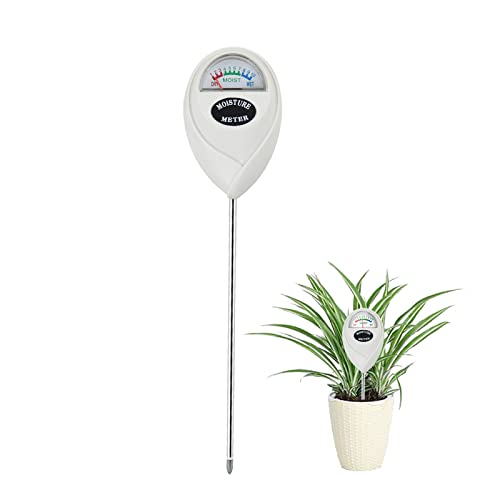
【SAVE YOUR PLANTS】: Over watering can cause problems with your plants or even kill them. This soil moisture meter helps you know the soil is dry, moist or wet.No more over watering!

Accurate Soil Moisture Detection: The XLUX Soil Moisture Meter can tell you if the soil deep inside your pot or garden is dry, moist or wet; whereas your eyes and fingers can only determine the moisture level of the soil surface. The probe is 5.5 inches (14 cm) longer than regular styles, allowing it to measure the soil moisture at the bottom of larger and deeper flower pots.
Wilting and Drooping Leaves
Lettuce leaves appear wilted or droopy when they lack moisture. You’ll notice this sign especially during hot days or after a few dry days. Leaves that originally stood upright may start to bend down. If you see this, water your lettuce immediately to revive it and prevent stress or damage.
Soil Moisture Levels
Checking soil moisture is crucial. Stick your finger about an inch into the soil. If it feels dry at that depth, your lettuce needs water. Soil should remain moist but not soggy. Conduct this check every few days, especially in warm weather. Adjust your watering schedule based on these findings to maintain optimal plant health.
Guidelines for Watering Lettuce
Watering lettuce properly is essential for achieving healthy plants and optimal yields. You must consider several factors that affect watering needs.
General Watering Schedule
Water lettuce deeply to encourage strong root systems. In general, you should water your lettuce every 2-3 days, especially during warm weather. Check the top inch of soil; if it feels dry, it’s time to water. Always aim for about 1-1.5 inches of water per week, which may include rainfall. Sprinkling your lettuce in the morning allows for better absorption before the heat of the day sets in.
Seasonal Considerations
Adjust your watering schedule according to the season. In spring, when temperatures are milder, lettuce may require less frequent watering. Near summer’s peak heat, increase watering to maintain consistent moisture levels. Additionally, keep an eye on rainfall; if it rains significantly, reduce your irrigation accordingly. During autumn, as weather cools down, you might water less often, depending on moisture levels in the soil.
Common Mistakes in Watering Lettuce
Understanding common mistakes in watering lettuce helps maintain healthy plants and maximize your harvest. Here are key errors to avoid:
Recommended Products

Kindly NOTE: This soil tester can not be applied to test pH value of any other liquid. If the soil is too dry the indicator will not move, and water it before testing.

【4 in 1 function】This is a 4-in-1 multifunctional soil tester.Our soil tester fastly to measure soil moisture, pH, temperature and sunlight to help you take better care of flowers and plants.You can know when you need to water your soil by measuring moisture and pH & Temperature value of the soil and sunlight level of plants with it.
Dimensions: 0.4 x 0.3 x 4.7 inches (small) - Intended for pot sizes of 2, 2.5, and 3 - Ideal for small succulents
Overwatering
Overwatering leads to issues like root rot and fungal diseases. Ensure these points are considered when watering:
- Check soil moisture before watering. If the top inch feels moist, skip watering for that day.
- Use well-draining soil to allow excess water to escape.
- Observe leaf colors. Yellowing leaves often signal overwatering.
- Adjust your schedule. Watering every day can be excessive; aim for every 2-3 days instead.
Underwatering
Underwatering causes stress and stunted growth in lettuce. Keep an eye out for these signs:
- Monitor soil moisture regularly. If the soil feels dry, it needs water.
- Look for wilting leaves. This indicates that the plant doesn’t have enough moisture.
- Water deeply. Aim to provide 1-1.5 inches of water per week, whether through rain or your watering schedule.
- Adjust based on conditions. Hot, windy days increase evaporation, meaning you might need to water more frequently.
By avoiding these common mistakes, you can ensure your lettuce grows strong and healthy.
Conclusion
Getting the watering right for your lettuce is key to enjoying a lush harvest. By paying attention to the specific needs of your lettuce variety and the conditions in your garden, you can keep your plants thriving. Remember to check the soil moisture and look for signs of stress like wilting leaves.
With a little practice and observation, you’ll find the perfect balance. Avoiding common watering mistakes will help your lettuce flourish and provide you with delicious greens to enjoy. Happy gardening and good luck with your lettuce!
Frequently Asked Questions
What factors influence lettuce watering needs?
The watering needs of lettuce depend on several factors, including soil type, weather conditions, the plant’s growth stage, and the planting method. Adjusting your watering routine according to these elements will help ensure healthy plants.
How often should I water different types of lettuce?
Watering frequency varies by lettuce type. Generally, Romaine and Butterhead need more water than Leaf and Crisphead. It’s important to check soil moisture regularly and adjust based on specific lettuce variety needs.
What signs indicate that my lettuce needs water?
Common signs of underwatering lettuce include wilting leaves, dry soil, and discolored foliage. Monitoring these signs will help you provide timely water to keep your plants healthy and thriving.
What are the consequences of overwatering lettuce?
Overwatering can lead to root rot, fungal diseases, and stunted growth in lettuce. Always check soil moisture before watering to avoid these issues and promote optimal plant health.
How can I improve my watering routine for lettuce?
To improve your watering routine, check soil moisture before watering, use well-draining soil, observe leaf coloration, and adjust frequency based on weather conditions. These practices will help maintain healthy lettuce plants.
Is it important to adjust watering based on weather?
Yes, adjusting watering based on weather conditions is crucial. Hot weather can increase the evaporation rate, so you may need to water more frequently to prevent stress and keep your lettuce healthy.
