

Are you wondering when to plant fall lettuce in zone 6? You’re not alone. Many gardeners face the challenge of timing their crops just right to enjoy fresh greens as the weather cools.
Key Takeaways
- Best Planting Time: Plant fall lettuce in Zone 6 from mid-August to early September to ensure seedlings mature before the first frost, typically in late September to early October.
- Ideal Conditions: Lettuce thrives in daytime temperatures between 60°F and 75°F and requires soil temperatures around 55°F to 75°F for optimal germination.
- Soil Preparation: Use rich, well-drained soil with a pH of 6.0-7.0, and improve it with organic matter like compost. Mulching helps retain moisture and regulate soil temperature.
- Recommended Varieties: Hardy options for fall planting include Butterhead, Romaine, Leaf, Batavia, Mesclun Mix, and Winter Lettuce, each suited for cooler temperatures.
- Sunlight Requirements: Ensure planting areas receive at least 4–6 hours of sunlight daily, adjusting based on local light conditions for best growth.
- Monitor Temperature and Frost Dates: Regularly check local frost dates and soil temperatures to fine-tune your planting schedule and prevent issues like bolting.
Understanding Zone 6
Zone 6 is characterized by temperate climates with moderate winters and warm summers. This zone typically experiences average annual minimum temperatures ranging from 0°F to 10°F.
Growing Seasons in Zone 6
- Spring: Planting typically begins in March to April. Use this time to grow cool-season crops.
- Summer: Mid-June to early August brings warmer temperatures. This period is optimal for heat-loving vegetables.
- Fall: Late August through October allows for the planting of fall crops, including lettuce.
Timing for Planting Lettuce
You can plant fall lettuce seeds in late summer, around mid-August to early September. Consider the average first frost date, which usually falls between late September and early October in Zone 6. Plant seeds so that seedlings mature before the frost hits.
Ideal Conditions for Fall Lettuce
- Soil Temperature: Aim for soil temperatures between 55°F and 75°F for the best germination.
- Sunlight: Select a location that receives at least 4–6 hours of sunlight daily. Consider partial shade during warmer days to prevent bolting.
- Watering: Keep the soil consistently moist but not soggy. Use mulch to retain moisture and suppress weeds.
Recommended Lettuce Varieties for Fall
Consider these lettuce varieties known for their hardiness in cooler temperatures:
- Butterhead: Soft texture and sweet flavor.
- Romaine: Crisp, sturdy leaves ideal for salads.
- Loose-leaf: Quick to grow and can be harvested multiple times.
Planting fall lettuce can extend your garden’s productivity. By following the timing and conditions specific to Zone 6, you’ll enjoy fresh greens even as the weather cools.
Ideal Conditions for Fall Lettuce
Growing fall lettuce in Zone 6 requires specific conditions for optimal growth. Focus on temperature, soil preparation, and light exposure to achieve the best results.
Recommended Products

VERSATILE SEED STARTING: Ideal for germinating seeds in flats, pots, and plug trays. This seed starter mix supports healthy root development for vegetables, herbs, and flowers.

Specially formulated for fast root development

FIVE FLAVORFUL VARIETIES FOR A COMPLETE SALAD GARDEN SOLUTION. This lettuce seed pack includes black seeded simpson, red romaine, bibb, buttercrunch, and iceberg. Perfect for salads, wraps, smoothies, and toppings with fresh, homegrown flavors year-round.
Temperature Requirements
Lettuce thrives in cooler temperatures. Aim for daytime temperatures between 60°F and 75°F. At night, temperatures should ideally stay between 40°F and 50°F. For a successful harvest, plant seeds about six weeks before the average first frost date. In Zone 6, that usually means sowing seeds between mid-August and early September. If daytime temperatures exceed 80°F, lettuce may bolt, causing it to turn bitter and produce seeds prematurely.
Soil Preparation Tips
Prepare your soil for fall planting by ensuring it’s rich and well-drained. Start by testing the soil pH, which should ideally range between 6.0 and 7.0. When it’s time to plant, work in organic matter, like compost or well-rotted manure, to enhance nutrient content. Tilling the soil improves aeration and drainage. Additionally, consider mulching around your lettuce plants with straw or grass clippings. This helps retain moisture and regulate soil temperature, making it easier for your lettuce to thrive.
Timing Your Planting
Timing is crucial for growing fall lettuce in Zone 6. Planting too early can lead to bolting, while planting too late may not allow sufficient growth before frost.
Recommended Products

FALL AND WINTER VEGETABLE SEEDS – 8 non-GMO heirloom varieties for planting vegetables in cool weather gardens, cold frames, raised beds, and containers

4 Popular Heirloom Lettuce Varieties: Includes Red Romaine, Bibb Butterhead, Black Seeded Simpson, and Green Ice lettuce seeds to grow crisp, tender, and colorful salad greens with balanced flavor, texture, and visual appeal.

FALL PLANTING PERFECTION: Cold-tolerant pansy seeds for planting outdoors; thrives through light frost when other flowers fade; creates stunning color in autumn containers, borders and balcony gardens; perfect for cool-climate gardeners
Best Months to Plant
The ideal planting window for fall lettuce in Zone 6 is from mid-August to early September. This timeframe ensures your seeds get enough warmth for germination while still allowing for cooler days that assist in growth. Generally, aim to plant about six weeks before the average first frost date, which typically falls around mid-October in this zone.
Factors Influencing Planting Dates
Several factors can influence your planting dates:
- Frost Dates: Average first frost dates vary; check local reports to tailor your planting schedule.
- Temperature: Fall lettuce thrives in temperatures between 60°F and 70°F. Monitor temperatures to ensure optimal growing conditions.
- Soil Conditions: Soil temperature should be around 60°F for seed germination. Use soil thermometers to gauge this.
- Sunlight Exposure: Ensure your planting area receives at least six hours of sunlight daily. Adjust your planting dates based on this light availability.
By considering these factors, you can fine-tune your planting schedule for the best results.
Recommended Lettuce Varieties for Fall Planting
Choosing the right lettuce varieties for fall planting in Zone 6 is crucial for a successful harvest. Here are some recommended options:
Recommended Products

FALL & WINTER GARDEN SEED VARIETY PACK: Grow a bountiful garden of nutritious and delicious vegetables and herbs that thrive in cooler weather. This premium collection features 30 varieties perfect for autumn and winter gardening, ensuring fresh, homegrown produce all season long.
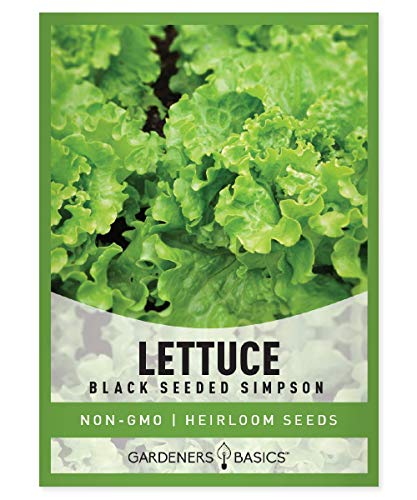
DELICIOUS TRUSTED VARIETY - Popular leafy lettuce seed used by gardeners for years.
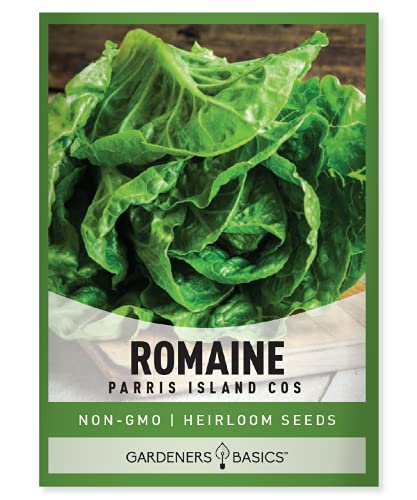
DELICIOUS TRUSTED VARIETY - Popular summer romaine lettuce seed used by gardeners for years. Romaine lettuce is not only packed with flavor, but it is very nutritional.
1. Butterhead Lettuce
Butterhead lettuce boasts a tender, buttery texture. Varieties like ‘Buttercrunch’ or ‘Bibb’ thrive in cooler temperatures. They mature within 60 to 75 days, making them ideal for fall crops.
2. Romaine Lettuce
Romaine lettuce, known for its crisp leaves, performs well in the fall. Varieties such as ‘Paris Island Cos’ can withstand light frosts. Expect a harvest within 70 to 80 days.
3. Leaf Lettuce
Leaf lettuce comes in many colors and varieties. ‘Red Romaine’ and ‘Green Leaf’ are excellent choices for fall gardening. These varieties mature quickly, typically in 45 to 65 days.
4. Batavia Lettuce
Batavia, or French crisp lettuce, combines the crunch of romaine with the tender leaves of butterhead. ‘Crispino’ is a popular option that can handle cooler weather, maturing in about 70 days.
5. Mesclun Mix
Mesclun mixes offer a variety of flavors and textures. They can include greens like arugula, mache, and young spinach. Quick to germinate, these blends can be ready for harvest in as little as 30 days.
6. Winter Lettuce
Winter varieties, such as ‘Winter Density’ and ‘Lattuga di Montagna,’ are specifically bred for cold resistance. These can provide fresh greens well into the colder months, often lasting through light snow.
When selecting lettuce varieties, pay attention to the estimated maturity dates and ensure they align with your first frost date. Adapting choices based on your local climate conditions can also optimize results.
Conclusion
Getting your fall lettuce planted in Zone 6 can lead to a bountiful harvest even as the temperatures drop. By choosing the right varieties and timing your planting just right, you’ll enjoy fresh greens well into the chilly months. Keep an eye on those frost dates and soil conditions to make the most of your garden. With a little planning and care, you’ll be savoring delicious salads straight from your backyard. Happy gardening!
Frequently Asked Questions
What is the best time to plant fall lettuce in Zone 6?
The ideal time to plant fall lettuce in Zone 6 is in late summer to early fall, typically from mid-August to early September. This timing allows the plants to mature before the first frost, which usually occurs around mid-October.
Which lettuce varieties are recommended for fall planting in Zone 6?
Recommended lettuce varieties for fall planting in Zone 6 include Butterhead, Romaine, Leaf, Batavia, Mesclun Mix, and Winter Lettuce. These varieties are well-suited for cooler temperatures and can thrive into the fall months.
How can I prepare my soil for fall lettuce planting?
To prepare your soil for fall lettuce, ensure it is well-draining and rich in organic matter. Test the pH and add compost or well-rotted manure to improve fertility. Tilling the soil also helps aerate it, promoting healthy root growth.
How does temperature affect fall lettuce growth?
Temperature significantly impacts fall lettuce growth. Lettuce prefers cooler weather, ideally between 60°F and 70°F. Exposure to temperatures below 40°F can slow growth, while frost can damage leaves, so timing your planting around local frost dates is crucial.
What factors should I consider for successful lettuce growth?
For successful lettuce growth, consider factors like frost dates, average temperature, soil conditions, and sunlight exposure. Ensure your plants receive at least 6 hours of sunlight daily and monitor soil moisture to keep it consistently damp but not waterlogged.
How can I align maturity dates with frost dates?
To align maturity dates with frost dates, check the estimated time to harvest for your chosen lettuce varieties. Count back from your last expected frost date to determine the latest planting date, ensuring the varieties will mature before the frost hits.
