

Ever wondered how much water your lettuce really needs? If you’ve ever tried growing this crisp green, you know it can be tricky to get it just right. Too little water and your plants might wilt; too much and they could drown.
Key Takeaways
- Water Requirements: Lettuce needs about 1 to 1.5 inches of water per week, with adjustments made for weather conditions.
- Soil Type Influence: Soil composition affects water retention; sandy soils drain quickly while clay soils retain water.
- Climate Considerations: Hot weather increases water needs due to evaporation; cooler climates may require less.
- Variety-Specific Needs: Different lettuce types, like butterhead and romaine, have varying moisture requirements—adjust watering accordingly.
- Monitoring for Issues: Look out for signs of overwatering (yellowing leaves, mold) and underwatering (crispy leaves, stunted growth) to maintain healthy plants.
- Watering Techniques: Implement deep watering 2-3 times a week during dry spells and consider using mulch to help retain moisture.
Importance Of Water For Lettuce Growth
Water plays a critical role in the growth of lettuce. It influences seed germination, nutrient uptake, and overall plant health. Sufficient moisture ensures that lettuce develops strong roots while promoting leafy growth.
Lettuce requires about 1 to 1.5 inches of water per week, depending on the climate and soil conditions. Adjustments may be necessary during hot or windy days, as plants tend to lose moisture quickly. When monitoring moisture levels, consider checking soil with your finger. If the top inch feels dry, it’s time to water.
Overwatering can cause root rot, while underwatering leads to wilting and slow growth. To balance these needs, observe the plant’s health. Signs of overwatering include yellowing leaves and a mushy texture, while drooping leaves indicate insufficient water.
Implementing straw or mulch around your lettuce can help retain soil moisture. Creating a consistent watering schedule also supports healthy growth. Aim to water in the morning to reduce evaporation and allow leaves to dry before evening.
Water directly affects lettuce’s development. Proper watering strategies safeguard against common growth challenges.
Factors Affecting Water Needs
Understanding factors affecting water needs helps you provide the right conditions for lettuce growth. Several elements influence how much water your lettuce requires.
Recommended Products
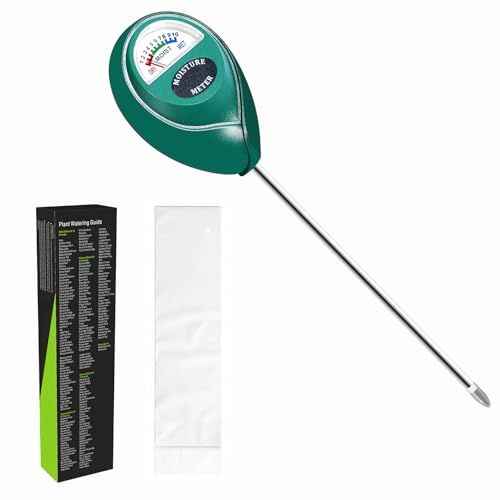
Trusted Since 2015: Become one of the many plant lovers who rely on the proven accuracy of XLUX. Established in 2015, our soil moisture meter has earned over 60,000+ verified ratings for its consistent performance. While many many newer brands come and go, we provide the long-term reliability and quality that American households have trusted for over a decade.
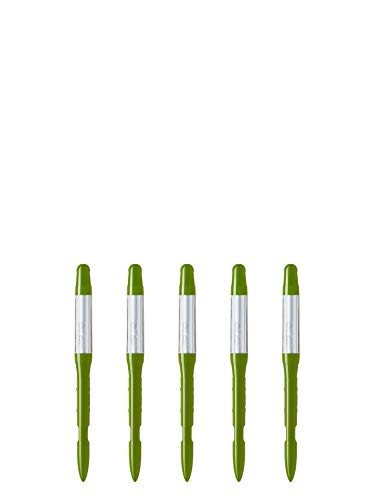
Dimensions: 0.4 x 0.3 x 4.7 inches (small) - Intended for pot sizes of 2, 2.5, and 3 - Ideal for small succulents

Soil Type
Soil type plays a significant role in water retention. Sandy soils drain quickly but don’t hold moisture well. Clay soils retain water longer but can become compacted, limiting root access. Loamy soils strike a balance, maintaining moisture while allowing good drainage. To check your soil type, take a handful and squeeze it. If it forms a ball, you likely have clay. If it falls apart, it’s sandy. Adjust your watering based on the soil’s properties to optimize moisture retention.
Climate Conditions
Climate conditions greatly impact how much water your lettuce needs. Hotter temperatures increase evaporation and transpiration, resulting in higher water demands. In cooler, more humid climates, plants require less water. Monitor local weather patterns throughout the growing season. During heatwaves, consider increasing your watering frequency to prevent wilting. Conversely, reduce watering during cooler, rainy spells to prevent waterlogging.
Lettuce Variety
Different lettuce varieties exhibit unique water needs. For example, butterhead and romaine types generally thrive with moderate moisture. Crisphead varieties may require more water to maintain their leaf structure. Research the specific needs of your chosen variety. Pay attention to their growth stage as well; seedlings and young plants typically require more water than mature ones. Adjust your watering schedule accordingly to support optimal growth for the variety you select.
General Watering Guidelines
Watering lettuce effectively is crucial for robust growth. Follow these guidelines to maintain optimal moisture.
Recommended Products
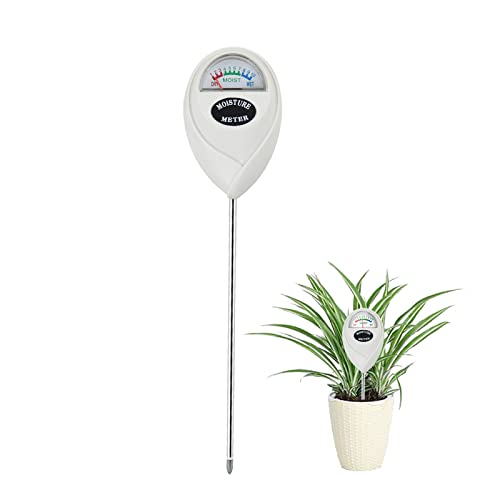
【SAVE YOUR PLANTS】: Over watering can cause problems with your plants or even kill them. This soil moisture meter helps you know the soil is dry, moist or wet.No more over watering!

Accurate Soil Moisture Detection: The XLUX Soil Moisture Meter can tell you if the soil deep inside your pot or garden is dry, moist or wet; whereas your eyes and fingers can only determine the moisture level of the soil surface. The probe is 5.5 inches (14 cm) longer than regular styles, allowing it to measure the soil moisture at the bottom of larger and deeper flower pots.
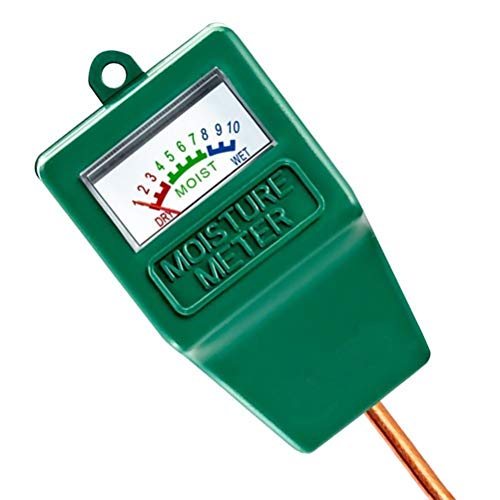
Soil Moisture Meter: This single probe soil moisture meter is specially designed for testing the moisture level in the soil, helps you decide whether the plants need water or not, helps to keep plants alive.
Frequency Of Watering
Watering frequency varies based on conditions. Aim for deep watering 2 to 3 times a week during dry spells. In cooler, rainy climates, once a week might suffice. The key is to check the soil regularly. If the top inch feels dry, it’s time to water. Consistency in watering establishes strong roots and healthy plants.
Amount Of Water
Lettuce requires 1 to 1.5 inches of water weekly. This can come from rainfall or manual watering. For manual watering, apply enough to soak the soil to a depth of 6 to 8 inches. Use a rain gauge or a measuring cup for accuracy. Adjust the amount based on your soil type—sandy soils drain faster than clay. Monitoring leaves is essential; if they look limp, increase your watering.
Signs Of Overwatering And Underwatering
Understanding the signs of overwatering and underwatering helps ensure healthy lettuce growth.
Signs Of Overwatering
- Wilting Leaves: Limp or droopy leaves might indicate your lettuce suffers from excess water. Overwatering can lead to root rot.
- Yellowing: Leaves turning yellow, especially lower leaves, usually signal too much water.
- Mold Growth: White mold or a soggy appearance on the soil surface suggests overwatering.
Signs Of Underwatering
- Crispy Leaves: Leaves turning dry and crispy indicate a lack of moisture. This often happens during hot, dry weather.
- Stunted Growth: If your lettuce appears smaller than expected, it might not be getting enough water.
- Brittle Stems: Stems that break easily or feel dry point to underwatering issues.
- Soil Touch Test: Stick your finger into the soil about an inch deep. If it feels dry, add water. If it feels moist, hold off on watering.
- Mulch Use: Apply mulch to help retain soil moisture and mitigate fluctuations between overwatering and underwatering.
By keeping an eye on these signs, you can maintain the right moisture balance for robust lettuce growth.
Conclusion
Growing healthy lettuce is all about finding that perfect balance with water. By keeping a close eye on your plants and adjusting your watering routine as needed you can ensure they thrive. Remember to look for those telltale signs of overwatering or underwatering and use simple methods like the soil touch test to gauge moisture levels. With a little attention and care your lettuce will reward you with crisp and delicious leaves. Happy gardening!
Frequently Asked Questions
How much water does lettuce need per week?
Lettuce typically needs about 1 to 1.5 inches of water per week. This amount may need to be adjusted based on factors like weather conditions, soil type, and the specific variety of lettuce grown.
What are the signs of overwatering lettuce?
Signs of overwatering include yellowing leaves, wilting, and root rot. If lettuce plants are consistently soggy or have mushy stems, it’s a clear indication of overwatering.
What are the signs of underwatering lettuce?
Underwatering lettuce can lead to crispy, wilted leaves and stunted growth. If the leaves feel dry and brittle, it’s time to check the moisture level and water accordingly.
How can I maintain optimal moisture levels for lettuce?
To maintain optimal moisture levels, use the soil touch test to check for dryness. Additionally, applying mulch can help retain soil moisture and reduce evaporation.
What factors affect water needs in lettuce?
Several factors affect the water needs of lettuce, including soil type, climate, and the specific variety of lettuce. Understanding these elements can help ensure proper watering practices.
Why is consistency important in watering lettuce?
Consistency in watering is crucial for healthy lettuce growth. It ensures strong root development and overall plant health, helping the lettuce to thrive in various conditions.
