Close Menu
    Veggie Knowledge
    • Home
    • Growing Vegetables
      • Beets
      • Broccoli
      • Carrots
      • Cucumber
      • Green Beans
    • Tips and Advice
    • Free eBook
    • About
      • Contact
      • Privacy Policy
    Veggie Knowledge
    Home»Lettuce»Can You Grow Lettuce in Small Pots: Tips for a Thriving Indoor Garden
    Lettuce

    Can You Grow Lettuce in Small Pots: Tips for a Thriving Indoor Garden

    Lucy StoneBy Lucy StoneSeptember 19, 20248 Mins Read
    Facebook Twitter Pinterest LinkedIn Tumblr WhatsApp VKontakte Email
    Share
    Facebook Twitter LinkedIn Pinterest Email

    Ever wondered if you can grow fresh lettuce in small pots? If you’re short on space but still want to enjoy homegrown greens, you’re in the right place. Many people face the challenge of gardening in limited areas, but growing lettuce in pots can be a game-changer.

    Contents show
    1 Key Takeaways
    2 Can You Grow Lettuce in Small Pots?
    2.1 Suitable Pot Sizes
    2.2 Soil Requirements
    2.3 Watering Techniques
    2.4 Light Needs
    2.5 Choosing Lettuce Varieties
    2.6 Harvesting Guidelines
    2.7 Pest Management
    3 Benefits of Growing Lettuce in Small Pots
    3.1 Space Efficiency
    3.2 Accessibility
    4 Best Lettuce Varieties for Small Pots
    4.1 Leaf Lettuce
    4.2 Romaine Lettuce
    5 Tips for Growing Lettuce in Small Pots
    5.1 Choosing the Right Pot
    5.2 Soil and Fertilization
    6 Common Challenges and Solutions
    6.1 Watering Issues
    6.2 Pest Management
    7 Conclusion
    8 Frequently Asked Questions
    8.1 What are the benefits of growing lettuce in small pots?
    8.2 What type of potting mix is best for growing lettuce?
    8.3 How often should I water my potted lettuce?
    8.4 What is the ideal pot size for growing lettuce?
    8.5 How can I prevent pests when growing lettuce in pots?
    8.6 Can I grow different lettuce varieties in the same pot?
    8.7 What should I do if my lettuce is wilting?
    8.8 When should I harvest my lettuce?

    Key Takeaways

    • Suitable Pot Sizes: Use pots that are at least 6 to 12 inches deep for optimal root development; larger pots are recommended for multiple plants to avoid overcrowding.
    • Soil Requirements: Employ well-draining potting mix with a pH level between 6.0 and 7.0, ideally containing organic materials for nutrient support.
    • Watering Techniques: Maintain consistent moisture by checking soil daily; water when the top inch feels dry to prevent bitter-tasting lettuce.
    • Light Needs: Ensure your pots receive 6 to 8 hours of sunlight daily; use grow lights for indoor setups and rotate pots for even light exposure.
    • Choosing Lettuce Varieties: Select fast-growing lettuce types suitable for containers, such as leaf lettuce, butterhead, and romaine, to maximize yield and flavor.
    • Pest Management: Regularly check for pests like aphids and snails, and use organic solutions such as insecticidal soap to ensure healthy growth.

    Can You Grow Lettuce in Small Pots?

    Yes, you can grow lettuce in small pots. Many types of lettuce thrive in container gardens, making them perfect for limited spaces. Here are several key points to consider.

    Suitable Pot Sizes

    Choose pots that are at least 6 to 12 inches deep. This depth accommodates root development effectively. For more than one lettuce plant, use a larger container, like an 18-inch pot, to prevent crowding.

    Soil Requirements

    Use well-draining potting mix designed for container gardening. Look for mixes containing peat, compost, or other organic materials that provide nutrients. Aim for a pH level between 6.0 and 7.0, promoting optimal growth.

    Watering Techniques

    Lettuce needs consistent moisture, so check soil daily. Water when the top inch feels dry. Avoid letting the soil dry out completely, as this can lead to bolting or a bitter taste.

    Light Needs

    Place your pots in a location that receives 6 to 8 hours of sunlight daily. If growing indoors, consider using grow lights to supplement natural light. Rotating the pots helps ensure even light exposure.

    Choosing Lettuce Varieties

    Opt for varieties suited for containers, including:

    • Leaf Lettuce: Fast-growing and produces multiple harvests.
    • Butterhead: Forms loose heads and has a mild flavor.
    • Romaine: Sturdy and grows well in small spaces.

    Harvesting Guidelines

    Start harvesting when leaves reach a minimum of 4 inches. For continuous growth, harvest outer leaves first, allowing the center to grow. This method encourages new leaf production.

    Pest Management

    Monitor for common pests like aphids and snails. Use organic methods like insecticidal soap or neem oil if issues arise. Inspect plants regularly to catch problems early.

    Benefits of Growing Lettuce in Small Pots

    Growing lettuce in small pots offers several practical benefits. You can easily manage space and produce fresh greens right at home.

    MUST READ:  Can You Use Iceberg Lettuce for Caesar Salad: Tips for Perfect Flavor and Texture

    Space Efficiency

    Growing lettuce in small pots makes the most of limited space. Pots require minimal room, making them ideal for balconies, patios, or even kitchen windowsills. You can arrange them in a way that suits your space, stacking or grouping pots to optimize the area. For example, use 6 to 12-inch pots to ensure the roots have enough room. This approach allows for a diverse range of varieties even in compact areas.

    Accessibility

    Small pots enhance accessibility for gardeners. You can place them at a comfortable height, reducing the strain on your back. If you seek easy maintenance, pot gardening is perfect. Keeping pots at arm’s reach simplifies tasks like watering, harvesting, and monitoring for pests. This accessibility encourages regular care, which leads to healthier plants and better yields. Consider using lightweight materials for pots, making it easy to move them around as needed.

    Best Lettuce Varieties for Small Pots

    Choosing the right lettuce varieties significantly impacts your success with small pot gardening. Some types thrive in limited space, offering great taste and yield.

    Recommended Products

    Jericho Romaine Lettuce Seeds (Lactuca Sativa) – 500+ Heirloom Non-GMO Seeds by Isla’s Garden Seeds, Heat-Tolerant Upright Heads for Crisp Salads & Wraps, Cool-Season Garden Favorite, Gift Idea
    Jericho Romaine Lettuce Seeds (Lactuca Sativa) – 500+ Heirloom Non-GMO Seeds by Isla’s Garden Seeds, Heat-Tolerant Upright Heads for Crisp Salads & Wraps, Cool-Season Garden Favorite, Gift Idea

    🥬 Heat-Tolerant Upright Romaine: Jericho Romaine Lettuce (Lactuca sativa) forms tall, sturdy heads with crisp ribs and tender, mildly sweet leaves. Known for its strong heat tolerance compared to many romaine varieties, it grows 18–24 inches tall and delivers reliable harvests in extended spring and early summer conditions.

    VIEW LATEST PRICE

    As an affiliate, we earn on qualifying purchases.

    Red Romaine Lettuce Seeds for Planting - Crisp Red Leaf Romaine Lettuce Seed for Garden Growing, High Yield Heirloom Non-GMO Variety for Fresh Salads - Survival Garden Seeds (1 Pack)
    Red Romaine Lettuce Seeds for Planting - Crisp Red Leaf Romaine Lettuce Seed for Garden Growing, High Yield Heirloom Non-GMO Variety for Fresh Salads - Survival Garden Seeds (1 Pack)

    RED ROMAINE SEEDS FOR PLANTING – Striking lettuce has burgundy-to-ruby red leaves with crisp green hearts create a bold contrast in the garden and add vibrant color and flavor to Caesar salad and other dishes

    VIEW LATEST PRICE

    As an affiliate, we earn on qualifying purchases.

    Gardeners Basics, Romaine Lettuce Seeds for Planting - Parris Island Cos Heirloom, Non-GMO Vegetable Variety- 2 Grams Seeds Great for Spring, Summer, Fall, Winter Garden and Hydroponics
    Gardeners Basics, Romaine Lettuce Seeds for Planting - Parris Island Cos Heirloom, Non-GMO Vegetable Variety- 2 Grams Seeds Great for Spring, Summer, Fall, Winter Garden and Hydroponics

    DELICIOUS TRUSTED VARIETY - Popular summer romaine lettuce seed used by gardeners for years. Romaine lettuce is not only packed with flavor, but it is very nutritional.

    VIEW LATEST PRICE

    As an affiliate, we earn on qualifying purchases.

    Leaf Lettuce

    Leaf lettuce grows well in smaller pots. Varieties like Butterhead and Oakleaf are particularly suitable. Both types are loose-leaf and mature quickly, typically within 30 to 50 days. Plant multiple seeds in one pot for a fuller appearance. Consider keeping the soil consistently moist; this promotes tender, flavorful leaves. Harvest outer leaves first for continuous growth throughout the season. This method allows you to enjoy fresh greens regularly.

    Romaine Lettuce

    Romaine lettuce is another excellent choice for small pots. Varieties such as Paris Island Cos perform well in confined spaces. Romaine typically takes about 70 to 80 days to mature but yields thick, crunchy leaves. Use a larger pot if you’re planting a full head. Ensure the pot has good drainage and fill it with nutrient-rich soil. Water the plants regularly to avoid bitterness. When harvesting, cut the entire head, or pick individual leaves as needed. This technique helps you customize your salads while maximizing your space.

    Tips for Growing Lettuce in Small Pots

    Growing lettuce in small pots can be rewarding. A few simple tips can lead to healthy plants and a bountiful harvest.

    Recommended Products

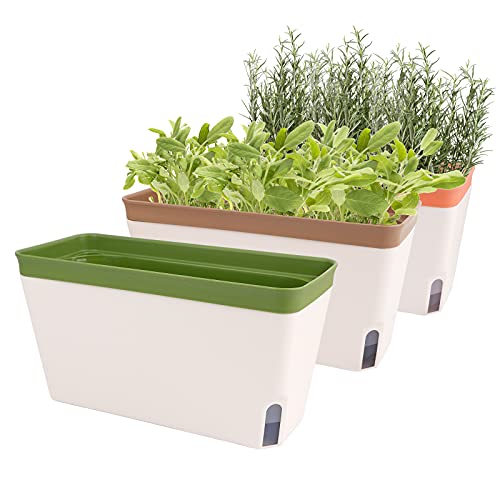
    OurWarm Windowsill Herb Planter Box Indoor Set of 3, 10.5 Inch Self Watering Planter Pots with Visual Water Level Window, Modern Plastic Plant Pots for Herbs, Vegetables, Succulents Plants
    OurWarm Windowsill Herb Planter Box Indoor Set of 3, 10.5 Inch Self Watering Planter Pots with Visual Water Level Window, Modern Plastic Plant Pots for Herbs, Vegetables, Succulents Plants

    SELF-WATERING PRINCIPLE: Through two absorbent cotton ropes, the self watering pots provide water to the soil and keep the soil moist through the principle of osmosis, without having to water the plants regularly. Even if you leave home for a few days, it can help you take care of the plants and avoid plants die from water shortage.

    MUST READ:  Does Lettuce Contain Vitamin C and How It Compares to Other Vegetables for Your Health
    VIEW LATEST PRICE

    As an affiliate, we earn on qualifying purchases.

    Nooulap 4 Pack 8 inch Plant Pots for Outdoor Indoor, Durable Flower Pots with Drainage, Indoor Outdoor Planters for Herbs Flowers (Black Pebbles Design)
    Nooulap 4 Pack 8 inch Plant Pots for Outdoor Indoor, Durable Flower Pots with Drainage, Indoor Outdoor Planters for Herbs Flowers (Black Pebbles Design)

    【8 Inch Planters – 4 Pack Value Set】Set includes 4 pieces of 8 inch plant pots with matching saucers. Ideal size for small plants such as flowers, herbs, succulents, and small shrubs. Great for home, office, patio, or garden use.

    VIEW LATEST PRICE

    As an affiliate, we earn on qualifying purchases.

    Fielda 2 Pack 8 Inch Pots for Plants Indoor, Plastic Self Watering Planters with Drainage Holes, Water Level Indicator & Deep Reservoir, Decorative Flower Pots Indoor Outdoor Use (Black
    Fielda 2 Pack 8 Inch Pots for Plants Indoor, Plastic Self Watering Planters with Drainage Holes, Water Level Indicator & Deep Reservoir, Decorative Flower Pots Indoor Outdoor Use (Black

    🌿 【Efficient Self-Watering System for Low-Maintenance Plant Care】 The Fielda 8-inch self-watering pots for indoor plants use COTTON WICKS to auto-feed plants for 7-10 days! Ideal for busy individuals or frequent travelers, this design reduces the need for daily watering, promoting healthier plant growth.​

    VIEW LATEST PRICE

    As an affiliate, we earn on qualifying purchases.

    Choosing the Right Pot

    Select pots that fit well on your balcony or windowsill. Aim for containers that are at least 6-8 inches deep. Such depth allows roots to develop properly. Use pots with drainage holes to prevent waterlogging. Consider using materials like plastic, clay, or ceramic, noting that each affects temperature and moisture differently.

    Soil and Fertilization

    Opt for a well-draining potting mix, ideally one designed for vegetables. Such mixes often contain compost or organic matter, which supports healthy growth. Incorporate slow-release fertilizer when planting to provide essential nutrients. For ongoing care, fertilize your lettuce every 4-6 weeks. Use a balanced liquid fertilizer for best results, applying it according to the manufacturer’s instructions.

    Common Challenges and Solutions

    Growing lettuce in small pots comes with certain challenges. Addressing these issues enhances your chances of a successful harvest.

    Recommended Products

    ORIMERC 50ft 1/4 inch Plants Self Watering Capillary Wick Rope Cord DIY Vacation Potted Flower Sitter Hydroponic Wicking Planter Pot Garden Seeds Starting Seedling Automatic Waterer System Device Line
    ORIMERC 50ft 1/4 inch Plants Self Watering Capillary Wick Rope Cord DIY Vacation Potted Flower Sitter Hydroponic Wicking Planter Pot Garden Seeds Starting Seedling Automatic Waterer System Device Line

    DIY Vacation Self-watering System: Put the one end to a water source, this watering wick will transport water to the other end automatically, and drip within 15 minutes (the practical time depends on the length of the rope you cut off; make this watering rope completely soaked in water before use then it will drip instantly). Easy to make a DIY automatic watering device system, help you care your plants while you are away from home or when you go outside or on business

    VIEW LATEST PRICE

    As an affiliate, we earn on qualifying purchases.

    OurWarm 3 Pack Self Watering Herb Planter Set for Windowsill, 10.5In Indoor Herb Garden Planters with Water Level Indicator, Dual Layer Easy Care Pot for Basil, Flowers, Vegetables & Succulent
    OurWarm 3 Pack Self Watering Herb Planter Set for Windowsill, 10.5In Indoor Herb Garden Planters with Water Level Indicator, Dual Layer Easy Care Pot for Basil, Flowers, Vegetables & Succulent

    Effortless Watering for Busy Indoor Gardeners: Keep your indoor plants thriving with our innovative self-maintaining water reservoir. Monitor hydration easily and reduce watering errors, ensuring herbs and flowers stay healthy for weeks without daily attention. Perfect for busy home gardeners and small-space green thumbs.

    VIEW LATEST PRICE

    As an affiliate, we earn on qualifying purchases.

    Meowell 4 inch Self Watering Pots for Indoor Plants, 5 Pack Small Flower Plant Pots with Drainage Holes and Clear Reservoirs, Visible Water Level, Plastic Planters with Wicking Rope, White
    Meowell 4 inch Self Watering Pots for Indoor Plants, 5 Pack Small Flower Plant Pots with Drainage Holes and Clear Reservoirs, Visible Water Level, Plastic Planters with Wicking Rope, White

    【Durability, Lightweight & Sturdy】These flower pots self watering are made of high-quality plastic, thick wall for solid sturdiness while lightweight, resistant to sunlight. Easy to move and rearrange, these self watering pots for indoor plants let you effortlessly create stylish plant displays in your office or home

    MUST READ:  Can You Eat Bolted Lettuce? Discover Its Edibility and Culinary Uses Today
    VIEW LATEST PRICE

    As an affiliate, we earn on qualifying purchases.

    Watering Issues

    Watering poses a common challenge in small pot cultivation. Lettuce requires consistent moisture but can suffer from overwatering or underwatering. You can prevent this by checking the soil moisture daily. Water when the top inch feels dry. Ensure pots have drainage holes to avoid waterlogging. Self-watering pots can also help maintain moisture levels effectively. Observe your plants; wilted leaves indicate a need for more water, while yellowing leaves signal overwatering.

    Pest Management

    Pest management is crucial for healthy lettuce growth. Common pests include aphids, snails, and caterpillars. Inspect your plants regularly for any signs of infestation. Introduce beneficial insects, like ladybugs, to control pests naturally. Use insecticidal soap for a safe treatment option. Covering pots with fine mesh can also protect your lettuce from larger pests. Regularly rotating crops and practicing good hygiene in your garden space minimizes pests and disease.

    Conclusion

    Growing lettuce in small pots can be a rewarding experience. You can enjoy fresh greens right from your balcony or kitchen countertop. With the right pot size and care techniques you’ll find it’s easier than you think.

    By paying attention to watering and pest control you’ll set yourself up for success. Plus you’ll appreciate the convenience and satisfaction of harvesting your own lettuce. So grab those pots and get started—your homegrown salad awaits!

    Frequently Asked Questions

    What are the benefits of growing lettuce in small pots?

    Growing lettuce in small pots allows for efficient use of space while providing optimal growth conditions. It’s easier to manage and maintain, enabling you to control factors like soil quality, drainage, and watering. This method is perfect for urban gardeners or those with limited outdoor space.

    What type of potting mix is best for growing lettuce?

    A well-draining potting mix is ideal for growing lettuce. Look for a blend that retains moisture but allows excess water to drain away, preventing root rot. Adding organic matter like compost can enhance nutrient retention and promote healthy growth.

    How often should I water my potted lettuce?

    Lettuce needs consistent moisture, so check the soil daily. Water when the top inch feels dry. During hot weather, you may need to water more frequently. Consider using self-watering pots to help maintain moisture levels.

    What is the ideal pot size for growing lettuce?

    Choose pots that are at least 6-12 inches deep for optimal root growth. The diameter should be around 8-12 inches for single plants. Larger pots can accommodate more lettuce varieties and help retain moisture better.

    How can I prevent pests when growing lettuce in pots?

    To manage pests, regularly inspect your plants for signs of trouble. You can introduce beneficial insects, use insecticidal soap, or apply neem oil. Maintaining garden hygiene and practicing crop rotation can also minimize pest issues.

    Can I grow different lettuce varieties in the same pot?

    It’s best to plant only one variety per pot to give each plant adequate space and resources. However, you can grow multiple varieties in a larger container as long as they have enough room to thrive without competing for nutrients.

    What should I do if my lettuce is wilting?

    Wilting can indicate either overwatering or underwatering. Check the soil moisture level; if it’s dry, give the plant a drink. If the soil is soggy, improve drainage and allow it to dry out before watering again.

    When should I harvest my lettuce?

    Harvest lettuce when the leaves are large enough to eat, generally between 30-70 days after planting, depending on the variety. Use scissors to cut the leaves from the outside, allowing the inner leaves to continue growing for a prolonged harvest.

    Share. Facebook Twitter Pinterest LinkedIn Tumblr WhatsApp Email
    Previous ArticleAre Plastic Lettuce Containers Recyclable and How to Make Responsible Choices
    Next Article What Lettuce to Use for Caesar Salad: Choosing the Best Varieties for Flavor and Freshness
    lucy stone
    Lucy Stone

      Hi, I'm Lucy! As a passionate gardener and writer for Veggie Knowledge, I've dedicated my life to exploring the secrets of successful vegetable growing. My love for gardening blossomed in my grandmother's backyard, where I learned how much joy a single plant can bring. I aim to share that joy through practical tips and insightful advice, helping you cultivate your own thriving garden

      Related Posts

      How to Cut Lettuce Leaves from Garden: Easy Steps for a Fresh and Healthy Harvest

      February 24, 2025

      How to Store Fresh Picked Leaf Lettuce: Tips for Keeping Your Greens Crisp and Delicious

      February 24, 2025

      How Long Can You Keep Romaine Lettuce to Ensure Maximum Freshness and Flavor

      February 23, 2025

      Is Romaine Lettuce Good for Constipation? Discover Its Digestive Benefits and Nutritional Value

      February 23, 2025
      Leave A Reply Cancel Reply

      Affiliate Disclosure

      As an Amazon Associate, I earn from qualifying purchases.

      Recommended Reading

      How to Grow Pepper Plants From Seeds: Step-by-Step for Beginners

      Growing Vegetables

      FFXV Carrot Yield: What Affects Your Harvest Results?

      Growing Vegetables

      Better Than Ezra: How Does Your Garden Grow Meaning?

      Growing Vegetables

      How Do I Grow Sweet Potatoes? Everything You Need to Know

      Growing Vegetables

      How Long Do Tomatoes Take to Grow: Essential Tips for Home Gardeners

      Growing Vegetables

      How Long for Lettuce to Grow? Quick Reset and Timing Guide

      Growing Vegetables

      How to Grow Crops in ARK: Ultimate Survival Guide

      Growing Vegetables

      How to Grow Cucumbers Hydroponically: The Most Efficient Method

      Growing Vegetables
      How VeggieKnowledge.com Got Started

      We started this website to share our love of vegetables with the world, and to help people discover the many benefits of growing, cooking, and eating fresh and delicious vegetables.

      Got questions or comments? You can reach us at [email protected].

      Featured Articles

      10 Common Gardening Mistakes (and How to Avoid Them)

      How Much Sun Do Vegetables Really Need?

      Beginner’s Guide to Growing Vegetables: What to Know Before You Start

      Watering 101: How to Keep Your Plants Happy and Healthy

      The Best Vegetables for First-Time Gardeners

      Categories
      • Beets
      • Broccoli
      • Carrots
      • Cucumber
      • Green Beans
      • Tips and Advice
      Veggie Knowledge
      • Home
      • About
      • Contact
      • Privacy Policy
      • Affiliate Disclosure
      • Free eBook
      © 2026 Veggie Knowledge

      Type above and press Enter to search. Press Esc to cancel.