

Have you ever wondered why your lettuce isn’t thriving like you hoped? One of the biggest secrets to growing healthy, crisp lettuce lies in how much water it gets each day. Just like you need the right amount of hydration to feel your best, lettuce requires a specific level of moisture to flourish.
Key Takeaways
- Consistent Moisture is Crucial: Lettuce requires 1 to 2 inches of water per week, depending on the type, to thrive and maintain flavor.
- Adjust for Environmental Factors: Watering needs vary based on climate, soil type, growth stage, and sun exposure. Monitor these factors regularly to optimize watering.
- Recognize Under and Overwatering Symptoms: Wilting, browning edges, and dry soil indicate underwatering; yellowing leaves, root rot, and mold suggest overwatering.
- Best Watering Practices: Utilize drip irrigation for consistency and efficiency, while incorporating hand watering for adjustments. Water early in the morning to reduce evaporation.
- Hydration Varies by Lettuce Type: Different varieties have specific needs; for example, Butterhead prefers about 1 inch weekly, while Crisphead requires 1.5 to 2 inches.
- Regular Monitoring is Essential: Check soil moisture levels frequently and adapt watering schedules to ensure your lettuce remains healthy and productive.
Understanding Lettuce Water Needs
Lettuce requires consistent moisture to grow strong and healthy. Several factors influence how much water you should provide, ensuring your lettuce thrives.
Factors Affecting Water Requirements
- Climate: Warm weather increases evaporation. Lettuce in hotter climates needs more water than in cooler areas.
- Soil Type: Sandy soils drain faster, demanding more frequent watering. Clay soils retain moisture longer, requiring less.
- Growth Stage: Young seedlings need slightly less water compared to mature plants, which require consistent hydration for optimal leaf growth.
- Sun Exposure: Direct sunlight increases water loss through evaporation. Lettuce growing in full sun needs more hydration than those in partial shade.
- Romaine Lettuce: Requires 1 to 2 inches of water per week. This type thrives in consistent moisture but can tolerate short dry spells.
- Butterhead Lettuce: Prefers slightly less water, around 1 inch weekly, but must not dry out completely.
- Leaf Lettuce: Needs about 1 to 1.5 inches of water per week. Regular watering promotes tender and crisp leaves.
- Crisphead Lettuce: Prefers 1.5 to 2 inches per week. Consistent moisture ensures it develops densely packed leaves.
Adequate watering helps maintain the quality and flavor of your lettuce. Monitor the soil and adjust based on the factors listed for the best results.
Daily Water Intake for Lettuce
Lettuce requires consistent moisture for optimal growth. Understanding its daily water intake can help you cultivate healthy plants.
Recommended Products
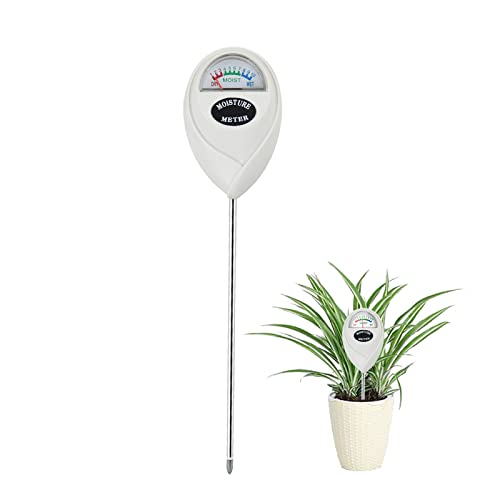
【SAVE YOUR PLANTS】: Over watering can cause problems with your plants or even kill them. This soil moisture meter helps you know the soil is dry, moist or wet.No more over watering!
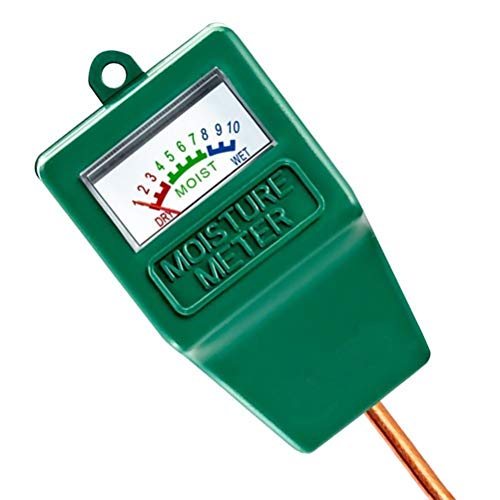
Soil Moisture Meter: This single probe soil moisture meter is specially designed for testing the moisture level in the soil, helps you decide whether the plants need water or not, helps to keep plants alive.

Accurate Soil Moisture Detection: The XLUX Soil Moisture Meter can tell you if the soil deep inside your pot or garden is dry, moist or wet; whereas your eyes and fingers can only determine the moisture level of the soil surface. The probe is 5.5 inches (14 cm) longer than regular styles, allowing it to measure the soil moisture at the bottom of larger and deeper flower pots.
General Guidelines for Watering
Watering lettuce effectively involves giving it 1 to 2 inches of water per week, depending on the type. Break it down as follows:
- Romaine Lettuce: 1 to 2 inches weekly
- Butterhead Lettuce: About 1 inch weekly
- Leaf Lettuce: 1 to 1.5 inches weekly
- Crisphead Lettuce: 1.5 to 2 inches weekly
Watering deeply encourages robust root development. Ensure the soil remains consistently moist but not soggy. Check moisture levels regularly, especially during warm weather or dry spells. It’s beneficial to water early in the morning to reduce evaporation.
Environmental Considerations
Several environmental factors impact lettuce’s water needs:
- Climate: Warmer climates increase evaporation rates, demanding more frequent watering.
- Soil Type: Sandy soil drains quickly, requiring more frequent watering. In contrast, clay soil retains moisture longer.
- Growth Stage: Young seedlings need less water than mature plants, so adjust your watering as the plants grow.
- Sun Exposure: Full sun exposure leads to higher water needs. If your lettuce is in shade, it may require less frequent watering.
Monitor conditions daily and adjust your watering schedule according to these factors to keep your lettuce thriving.
Signs of Underwatering and Overwatering
Recognizing the signs of underwatering and overwatering ensures healthy lettuce growth. These symptoms help you adjust your watering practices for optimal results.
Recommended Products

Accurate Monitor: Visible window from blue to white as soil moisture decreases. One glance tells you if there's a water shortage.

Accurate Soil Moisture Detection: The XLUX Soil Moisture Meter detects deep soil moisture in pots or gardens (dry/moist/wet), unlike eyes or fingers that only sense surface soil.

Kindly NOTE: This soil tester can not be applied to test pH value of any other liquid. If the soil is too dry the indicator will not move, and water it before testing.
Underwatering Symptoms
- Wilting Leaves: Leaves appear droopy and limp, signaling a lack of moisture.
- Dry Soil: The soil becomes hard and crumbly, indicating that water hasn’t penetrated deeply.
- Browning Edges: Leaf tips and edges turn brown, reflecting the plant’s struggle for hydration.
- Slow Growth: Stunted growth suggests that the lettuce isn’t absorbing enough water for development.
- Leaf Curling: Leaves curl inward, a clear indicator of stress from insufficient moisture.
- Yellowing Leaves: Leaves turn yellow, often signaling a lack of oxygen in overly saturated soil.
- Root Rot: Roots appear dark and mushy, a result of drowning in excess water.
- Mold Growth: Fungal growth or mold on the soil surface shows that the soil stays too wet.
- Stunted Growth: Similar to underwatering, overwatering can also lead to slowed growth due to poor root function.
- Falling Leaves: Leaves drop prematurely, which can happen when the roots can’t absorb nutrients due to oversaturation.
Monitoring and adjusting your watering habits based on these signs helps maintain the balance necessary for thriving lettuce.
Best Practices for Watering Lettuce
Proper watering methods ensure healthy lettuce growth. Utilizing effective techniques helps maintain the right moisture levels for optimal results.
Recommended Products
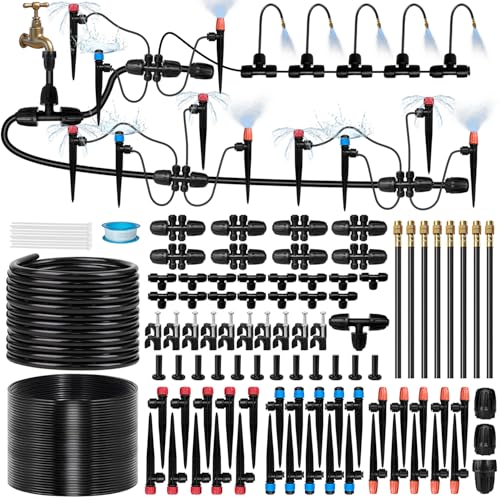
【Upgraded Tube Design & Water Saving】 Our garden watering system is upgraded to 1/2” diameter to support high water pressure. The 1/2” tee connector allows seamless splitting into 2 independent zones for customized watering schedules. By delivering moisture directly to root zones, this drip Irrigation system significantly reduces evaporation and runoff—saving more water compared to conventional sprinklers while eliminating the need for manual watering.

✔Comprehensive Drip Irrigation Kit:MIXC drip irrigation system, equipped with a versatile range of components, caters to all your garden watering needs.Includes essential parts such as 197ft 1/4'' irrigation tube, 33ft 1/2'' irrigation tube, 1/2‘’ Lock Barbed Tee connectors, drip emitter streams, vortex emitters, Blue Mist Nozzles, Quick connection tees, Faucet Connector, and more.
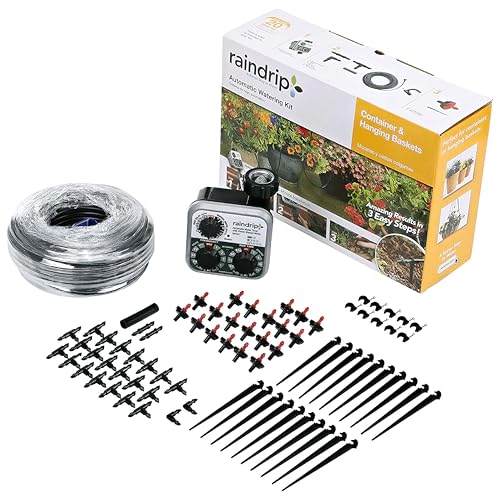
Save Time and Effort: This Raindrip drip irrigation kit includes everything you need to create a drip watering system for potted plants and precisely water up to twenty plants, saving time and effort while keeping your garden healthy
Drip Irrigation vs. Hand Watering
Drip irrigation delivers water directly to the plant roots. This method uses a system of tubes and emitters to provide consistent moisture without oversaturation. It conserves water, preventing evaporation and runoff, making it ideal for larger gardens.
Hand watering involves using a hose or watering can. While this method allows for more control over the amount of water given, it can lead to uneven moisture distribution if not done carefully. Consider combining both methods: use drip irrigation for daily maintenance and hand watering for quick adjustments.
Timing and Frequency of Watering
Water lettuce early in the morning. This timing reduces evaporation, allowing plants to absorb more moisture. Frequency varies based on conditions. Generally, water deeply once or twice a week, ensuring the soil is moist but not soggy.
Check soil moisture regularly. Use your fingers to feel the top inch of soil. If it feels dry, it’s time to water. Adjust based on factors like temperature and rainfall. A consistent routine promotes healthy growth and robust flavor in your lettuce.
Conclusion
Keeping your lettuce well-hydrated is key to a thriving garden. By understanding its specific water needs and adjusting based on environmental factors you can ensure your plants grow strong and flavorful. Remember to monitor soil moisture regularly and look out for signs of stress in your lettuce.
Using techniques like drip irrigation or hand watering can help you maintain consistent moisture levels. With a little attention and care your lettuce will reward you with a bountiful harvest. Happy gardening!
Frequently Asked Questions
How much water does lettuce need each week?
Lettuce generally requires between 1 to 2 inches of water weekly, depending on the variety. For example, Romaine needs 1 to 2 inches, Butterhead prefers about 1 inch, Leaf Lettuce needs 1 to 1.5 inches, and Crisphead thrives on 1.5 to 2 inches. It’s essential to monitor soil moisture regularly to ensure proper hydration.
What factors affect the watering needs of lettuce?
Several factors influence lettuce watering needs, including climate, soil type, growth stage, and sun exposure. Warmer climates increase evaporation, sandy soils drain faster, and young seedlings require less water than mature plants. More sun exposure means more frequent watering is needed to keep lettuce healthy.
What are the signs of underwatering lettuce?
Signs of underwatering lettuce include wilting leaves, dry soil, browning edges, slow growth, and leaf curling. If you notice these symptoms, it’s crucial to adjust your watering routine to ensure your lettuce receives adequate moisture.
How can I tell if my lettuce is overwatered?
Overwatered lettuce exhibits symptoms such as yellowing leaves, root rot, mold growth, stunted growth, and falling leaves. It’s important to monitor these signs and adjust your watering habits to prevent overwatering.
What is the best method for watering lettuce?
Drip irrigation is considered the best method for watering lettuce, as it delivers consistent moisture directly to the roots while conserving water and minimizing evaporation. However, combining it with hand watering can provide more control over moisture distribution.
When is the best time to water lettuce?
The ideal time to water lettuce is early in the morning. This timing helps reduce evaporation losses and ensures that plants have adequate moisture to start the day. Regularly checking soil moisture can guide your watering schedule effectively.
How does soil type affect lettuce watering?
Soil type significantly impacts how often you should water lettuce. Sandy soils drain faster and require more frequent watering, while clay soils retain moisture longer. Knowing your soil type helps tailor watering schedules to meet lettuce hydration needs efficiently.
