

Have you ever wondered how much water your lettuce seeds really need? Overwatering or underwatering can lead to poor growth or even failure, leaving you frustrated.
Picture this: you’ve sown your seeds, but they seem to struggle while your neighbor’s garden flourishes. You want to give your plants the best chance to thrive, and knowing the right amount of water is key.
In this article, you’ll discover simple guidelines to help you water your lettuce seeds just right. With the right approach, you’ll be on your way to a bountiful harvest in no time.
Key Takeaways
- Correct Watering is Crucial: Proper watering is essential for successful germination and healthy growth of lettuce seeds; insufficient or excessive water can lead to poor plant health.
- Moisture Level Management: Maintain soil moisture similar to a damp sponge, ensuring it’s consistently damp but not waterlogged.
- Watering Frequency: Initially, water daily until germination, then adjust to every 2-3 days based on weather conditions.
- Soil Type Matters: Different soil types require varied watering approaches; sandy soil may need more frequent watering, while clay soil needs careful drainage.
- Recognize Stress Signs: Be aware of indicators of overwatering (yellowing leaves, mold) and underwatering (wilting leaves, dry soil) to adjust your care accordingly.
- Consider Climate and Seed Type: Hot weather increases evaporation; adjust watering accordingly, and research specific watering needs for different lettuce varieties.
Importance Of Proper Watering
Proper watering plays a crucial role in the successful growth of lettuce seeds. Insufficient water leads to inadequate germination, while excessive water can suffocate the seeds. Balancing this is essential for achieving robust plants.
Recommended Products
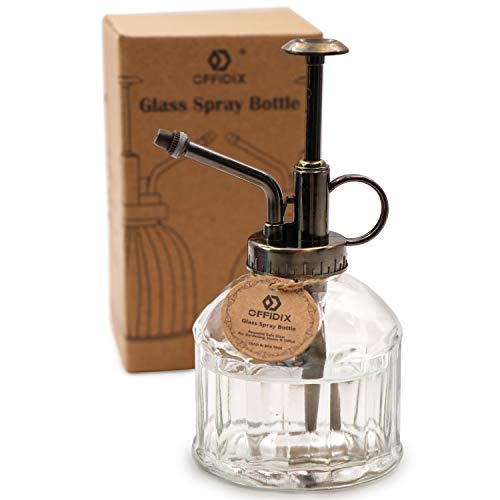
Small Size with Large Capacity: Only 6.3" Tall 3" Diameter with 200ml,enough for indoor plants like succulents.It is the best present for plants lover

Makeup spray bottles--perfect size design, not too big and not too small, allow you to easily hold it by one hand,watering bottle for indoor plants

High-Quality Seeds: Our Vegetable Fruit Seeds are sourced from reputable growers and tested for quality and germination rates, ensuring that customers receive seeds of the highest standard for successful gardening endeavors.
Consequences Of Overwatering
Overwatering can create waterlogged soil, limiting air flow to the seeds and roots. This slows down germination and can cause seeds to rot. Signs of overwatering include yellowing leaves and mold growth on the surface of the soil.
Consequences Of Underwatering
Underwatering results in dry soil, preventing seeds from germinating. Lack of moisture stress can lead to stunted growth or even total failure of your lettuce plants. Signs of underwatering include wilting and crispy leaves.
Watering Guidelines For Lettuce Seeds
- Moisture Level: Keep the soil consistently damp but not soggy. Aim for a moisture level similar to a damp sponge.
- Watering Frequency: Water daily until the seeds germinate. After that, reduce watering to every 2 to 3 days, depending on weather conditions.
- Watering Method: Use a gentle spray or a watering can with a fine spout to avoid displacing seeds.
Real-World Example
Consider a gardener who waters lettuce seeds every day. They notice that germination occurs within a week. In contrast, a neighbor who waters inconsistently struggles to see sprouts for two weeks or more. This shows the direct correlation between proper watering and growth success.
By following these guidelines, you can ensure optimal growth for your lettuce seeds, leading to a vibrant and healthy garden.
Factors Affecting Watering Needs
Several factors influence how much water lettuce seeds require. Understanding these elements can help you adjust your watering practices for better growth.
Recommended Products

Accurate Soil Moisture Detection: The XLUX Soil Moisture Meter can tell you if the soil deep inside your pot or garden is dry, moist or wet; whereas your eyes and fingers can only determine the moisture level of the soil surface. The probe is 5.5 inches (14 cm) longer than regular styles, allowing it to measure the soil moisture at the bottom of larger and deeper flower pots.

【Instant & Accurate Moisture Reading, No More Guesswork】 This plant moisture meter gives precise soil moisture readings in seconds! The responsive pointer instantly tells you if soil is dry, moist, or wet. It helps avoid overwatering & root rot, letting you water plants like a pro with confidence
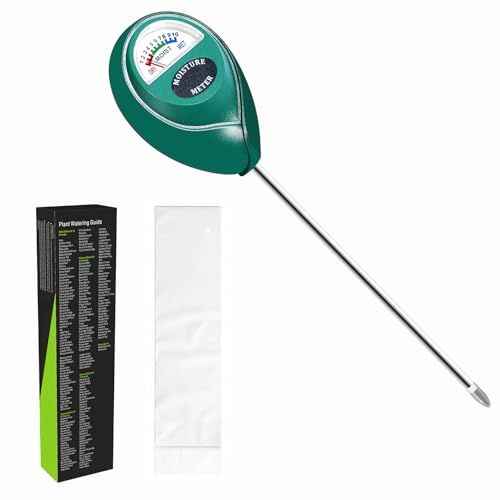
Trusted Since 2015: Become one of the many plant lovers who rely on the proven accuracy of XLUX. Established in 2015, our soil moisture meter has earned over 60,000+ verified ratings for its consistent performance. While many many newer brands come and go, we provide the long-term reliability and quality that American households have trusted for over a decade.
Soil Type
Soil type plays a significant role in water retention.
- Sandy Soil: Drains quickly, requiring more frequent watering. Monitor moisture levels closely.
- Clay Soil: Retains water, which can lead to overwatering. Ensure proper drainage to prevent seed rot.
- Loamy Soil: Balances drainage and moisture retention. This type typically requires moderate watering.
Checking soil moisture is essential. You can do this by sticking your finger into the soil; if it feels dry an inch below the surface, it’s time to water.
Climate Conditions
Climate affects water needs substantially.
- Hot Weather: High temperatures increase evaporation, so you’ll need to water more often. Aim for daily checks.
- Cool Weather: Watering frequency can decrease. Ensure the soil remains slightly damp but not soggy.
- Humidity Levels: In high humidity, evaporation slows down, meaning less frequent watering is often sufficient.
Consider using mulch to maintain moisture in warmer months. This helps regulate temperature and reduces evaporation.
Seed Variability
Different lettuce seed varieties have unique watering requirements.
- Leaf Varieties: Such as Butterhead, generally need consistent moisture for steady growth.
- Hearting Varieties: Such as Romaine, may tolerate slightly drier conditions before watering.
Research the specific variety you’re planting. Adjust your watering schedule based on its unique needs. Monitoring growth progress helps you make necessary adjustments in real-time.
Recommended Watering Guidelines
Proper watering significantly impacts the growth of your lettuce seeds. Following specific guidelines ensures successful germination and robust growth.
Recommended Products

2-in-1 Spray Head:Easily switch between two watering modes by removing the spray head. Stream mode delivers water precisely to the roots without wetting the leaves. Spray mode provides a gentle mist that evenly covers the foliage without splashing. Ideal for succulents, bonsai, herbs, seed starting trays, and all types of house plants

Customizable Water Flow: Watering can with a detachable shower nozzle, easily switch between a steady stream or gentle shower to suit your plant's watering needs. Great for both indoor and outdoor plants

[A THOUGHTFUL ASSISTANT FOR GARDENING LOVERS]-Compared with most of the large watering can on the market, our watering can is made of thickened PP resin, lighter and more solid, the wall of the kettle is thicker, anti-fall and compression. 2 gallon watering can holds large water storage capacity, reducing the trouble of frequent irrigation, it can water multiple plants at once, which can help you save refill trips especially in hot weather, a simple handy tool make gardening life come alive.
Initial Watering After Planting
Water immediately after planting the seeds. Ensure the soil is evenly moist but not saturated. Use a gentle spray or a watering can with a fine nozzle to avoid displacing the seeds. Aim for about 1/4 inch of water. Check the soil daily for moisture; it should feel damp to the touch. If it starts to dry out, add more water. You should see sprouts within 7 to 14 days if conditions are optimal.
Continued Watering Schedule
Once your seeds germinate, maintain consistent moisture. Water every day, especially in warm conditions. You might reduce watering frequency in cooler weather, checking soil moisture regularly. Always water early in the morning or late in the afternoon to minimize evaporation. Keep an eye on your plants; yellowing leaves can signal overwatering, while wilting indicates underwatering. Adjust your strategy based on weather conditions and plant needs.
Signs Of Overwatering And Underwatering
Identifying the right watering balance is crucial for optimal lettuce growth. Recognizing signs of overwatering and underwatering helps you make adjustments before significant damage occurs.
Signs Of Overwatering
- Yellowing Leaves: Leaves turn yellow and may appear wilted. This indicates that roots are drowning in excess water.
- Mold Growth: Mold or fungus develops on the soil surface or around seedlings, suggesting overly moist conditions.
- Foul Odor: A sour smell from the soil indicates rotting roots due to waterlogged conditions.
- Droopy Leaves: Instead of standing upright, drooping leaves signal that roots are stressed from too much water.
- Slow Germination: Seeds take longer than 14 days to sprout, often due to their inability to breathe in saturated soil.
Signs Of Underwatering
- Wilting Leaves: Leaves lose hydration, leading to a droopy appearance. This often happens on hot, dry days.
- Dry Soil: Soil feels very dry or crusty when touched, indicating a lack of moisture.
- Stunted Growth: Plants grow slower than expected, showing little to no advancement in size or vigor.
- Brittle Leaves: Leaves become brittle and fragile, easily breaking with minimal pressure.
- Brown Edges: Leaf edges turn brown and crispy, signaling that plants aren’t receiving adequate water.
- Feel The Soil: Use your finger to check moisture two inches below the surface. It should feel damp but not soggy.
- Observe Your Plants: Check your lettuce daily for signs of stress. Quick adjustments can prevent serious issues.
- Test Watering Frequency: Adjust based on weather changes; hot days may require extra watering, while cooler days might allow for less.
Monitoring these signs and following practical tips ensures your lettuce thrives without the pitfalls of overwatering or underwatering.
Conclusion
Getting the watering right for your lettuce seeds is key to a thriving garden. By keeping the soil consistently damp and adjusting your approach based on conditions, you can avoid the pitfalls of overwatering and underwatering.
Remember to check your soil daily and observe your plants for any signs of stress. With a little care and attention, you’ll set the stage for healthy growth and a bountiful harvest. Happy gardening and enjoy the journey of growing your own delicious lettuce!
Frequently Asked Questions
How important is proper watering for lettuce seeds?
Proper watering is crucial for lettuce seeds as it directly affects germination and growth. Insufficient water hinders germination, while overwatering can suffocate seeds, causing poor growth or failure. Balanced watering ensures robust plants and a successful harvest.
What are the consequences of overwatering lettuce seeds?
Overwatering can lead to waterlogged soil, which slows germination and may cause seed rot. Signs of overwatering include yellowing leaves, mold growth, and foul odors. It’s important to monitor soil moisture to prevent these issues.
What happens if I underwater my lettuce seeds?
Underwatering can result in dry soil, stunted growth, and wilting leaves. If lettuce seeds do not receive enough water, they may fail to germinate or develop properly. Consistent moisture is key for optimal growth.
What are the recommended watering guidelines for lettuce seeds?
Water lettuce seeds to keep the soil consistently damp but not saturated. Water daily until germination, using a gentle spray to avoid disturbing seeds. After sprouts appear, maintain moisture by adjusting watering frequency based on climate conditions.
How do soil type and climate affect watering needs?
Soil type affects drainage; sandy soil drains quickly and needs more frequent watering, while clay retains moisture and may lead to overwatering. Climate conditions also dictate frequency; hot weather requires more checks and watering, while cooler weather allows for less.
How can I tell if my lettuce plants are overwatered?
Signs of overwatering include yellowing leaves, mold growth, and foul odors from the soil. Regular observation of your plants will help you identify these indicators before significant damage occurs.
What are key indicators of underwatering in lettuce plants?
Key signs of underwatering include wilting leaves, dry soil, and stunted growth. Checking the soil moisture and observing the plants daily can help you catch underwatering early to take corrective action.
How do I ensure my lettuce seeds sprout successfully?
To ensure successful sprouting, keep the soil evenly moist but not soaked. Water daily until germination occurs, which usually takes 7 to 14 days under optimal conditions. Gentle spraying helps avoid displacing delicate seeds.
Should I research the specific needs of my lettuce variety?
Yes, different lettuce seed varieties have unique watering requirements. Researching your specific variety allows you to adjust watering practices effectively for optimal growth and harvest results.
