

Are you wondering when to plant lettuce in North Carolina? Timing can make all the difference between a thriving garden and a disappointing harvest. With the right knowledge, you can enjoy fresh, crisp lettuce right from your backyard.
Key Takeaways
- Optimal Planting Times: Plant lettuce seeds in North Carolina in early spring (mid-March to early April) and late summer (mid-August to early September) for the best growth.
- Temperature Guidelines: Lettuce thrives in cool temperatures of 60°F to 70°F; avoid temperatures above 75°F to prevent bolting and bitterness.
- Soil Preparation: Ensure well-drained, nutrient-rich soil with a pH of 6.0 to 7.0 for optimal lettuce growth. Regularly test and amend your soil as needed.
- Choosing Varieties: Select lettuce varieties suited for your local climate, such as Iceberg, Romaine, or Butterhead, to ensure a successful harvest.
- Maintenance Practices: Maintain consistent soil moisture, apply balanced fertilizers, manage weeds, and monitor pests to support healthy lettuce growth.
- Frost Awareness: Be aware of local frost dates to schedule your planting and harvesting effectively, ensuring optimal conditions for your lettuce crop.
Understanding Lettuce Planting Seasons
Lettuce thrives in North Carolina’s climate, but timing plays a crucial role in successful planting. Plant at the right times to enjoy fresh, crisp lettuce throughout the growing seasons.
Importance of Timing in North Carolina
Timing affects both growth and taste. In North Carolina, the cool temperatures of spring and fall provide optimal conditions for lettuce. Plant seeds in early spring, around mid-March to early April, for a late spring harvest. Alternatively, sow seeds in late summer, around mid-August to early September, for a fall crop. Proper timing avoids the heat of summer, which can lead to bolting, or premature flowering, resulting in bitter leaves.
Key Climate Factors
Several climate factors influence your lettuce planting schedule:
- Temperature: Lettuce prefers temperatures between 60°F and 70°F. Soil temperatures above 75°F may hinder seed germination.
- Frost Dates: Know your area’s last frost date in the spring and the first frost date in the fall. Use these dates to plan your planting.
- Humidity: High humidity can contribute to disease. Ensure good air circulation by spacing plants properly.
Consider these factors carefully to maximize your lettuce yield and maintain its quality.
Ideal Planting Times for Lettuce in North Carolina
Getting the timing right is crucial for a successful lettuce harvest in North Carolina. Here’s when to plant for the best results.
Recommended Products

EASIER SEED STARTING: Our Burpee SuperSeed tray with 36 flexible pop-out cells is designed to simplify indoor seed starting for all your favorite vegetables, flowers and herbs. Just add seed starting mix, seeds, water and light to get growing! Rows are labeled alphanumerically for seedling identification with included Plant-o-Gram diagram. Tray dimensions: 11.5" x 10-3/8" x 2-1/4"
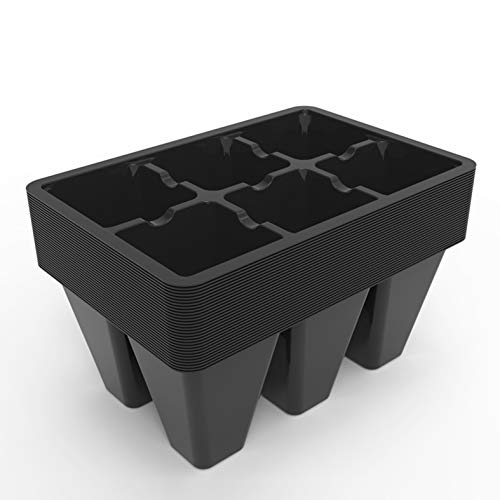
High Quality and Durable - Our Gardzen Seed Start Trays are made from premium plastic material, ensuring long-lasting use for all your seed starting needs. These trays are designed to withstand daily wear and tear, making them perfect for avid gardeners.

Upgraded Flexible Cells: Upgraded Silicone Seed Starter Tray with 12 flexible pop-out cells per tray. The soft silicone cells keep seedlings well protected and can be gently bent and popped out when it's time to transplant to your outdoor garden! Our seed starting trays are specifically designed to reduce stress on seedlings, so you won't damage their roots when transplanting
Spring Planting Schedule
For spring lettuce, aim to plant seeds between mid-March and early April. This timing allows for cool soil temperatures, essential for germination. Consider starting seeds indoors 4 to 6 weeks before the last frost date, which generally falls around mid-April. When seedlings reach 3 inches tall, transplant them outdoors. Expect to harvest in late May or early June, enjoying fresh, crisp lettuce before the summer heat arrives.
Fall Planting Schedule
For a fall crop, plant seeds between mid-August and early September. These dates avoid extreme heat and give plants time to mature before the first frost. You can start seeds indoors about 4 weeks prior to outdoor planting for a head start. Anticipate harvesting by late October to early November. Choosing varieties that mature quickly ensures a bountiful yield even as temperatures begin to drop.
Consider local frost dates and adjust your planting schedule accordingly. Monitoring temperature changes will help optimize your lettuce gardening experience.
Factors Affecting Lettuce Growth
Lettuce growth in North Carolina depends on various factors that influence its success. Understanding these elements can help you achieve a robust harvest.
Temperature Preferences
Lettuce thrives in cool temperatures. Ideal daytime temperatures range from 60°F to 70°F. At these temperatures, plants grow quickly and develop tender leaves. Once temperatures exceed 75°F, lettuce may bolt, leading to flower production and bitter leaves. For spring planting, aim for sowing seeds when temperatures start to rise after winter. For fall crops, plan your planting to avoid the heat of late summer.
Soil Conditions
Lettuce prefers well-drained, nutrient-rich soil with a pH between 6.0 and 7.0. Conduct a soil test to ensure optimal conditions. Amend your soil with organic matter or compost to improve drainage and fertility. When preparing your garden bed, loosen the soil to about 12 inches deep to promote healthy root development. Keep the soil consistently moist, as lettuce requires regular watering to prevent wilting and stress.
Tips for Successful Lettuce Cultivation
Successful lettuce cultivation depends on careful planning and attention to detail. Consider these key practices to enhance your growing experience.
Choosing the Right Lettuce Varieties
Selecting the best lettuce varieties influences both growth and taste. Here are popular options suited for North Carolina’s climate:
- Iceberg: Known for its crisp texture, it’s perfect for salads. Plant it during the spring for the best results.
- Romaine: This hardy variety offers a sweet flavor. It’s great for both spring and fall planting.
- Butterhead: If you prefer a tender leaf, choose butterhead. Its mild taste shines in summer salads.
- Leaf Lettuce: Fast-growing and easy to harvest. This variety thrives in cooler weather and can be planted both in spring and fall.
Consider local seed varieties approved by regional agriculture departments, as they may prove more resilient to local conditions.
Maintenance and Care Practices
Proper maintenance ensures healthy lettuce plants. Implement the following care practices:
- Watering: Keep the soil consistently moist but not soggy. Aim for about 1 inch of water per week, adjusting based on rainfall.
- Fertilizing: Use a balanced fertilizer every 3 to 4 weeks. Follow the manufacturer’s instructions to avoid over-fertilizing.
- Weeding: Regularly check for weeds that compete with your lettuce for nutrients. Hand-pull or use mulch to suppress their growth.
- Pests Monitoring: Inspect plants for aphids and slugs. Use organic insecticidal soap or hand-pick pests when necessary.
- Temperature Management: If temperatures exceed 75°F, provide shade to prevent bolting. Consider using row covers to protect plants from extreme heat.
Implement these tips to create a flourishing lettuce garden that yields a continuous supply of fresh greens.
Conclusion
Timing’s everything when it comes to planting lettuce in North Carolina. By following the suggested planting windows in spring and fall you can enjoy a bountiful harvest of fresh greens right from your garden. Remember to keep an eye on local frost dates and temperature changes to ensure your lettuce thrives.
With the right care and attention to detail you can create a vibrant lettuce garden that not only meets your needs but also brings a touch of joy to your gardening experience. So grab your seeds and get ready to dig in—your homegrown lettuce awaits!
Frequently Asked Questions
When is the best time to plant lettuce in North Carolina?
The best times to plant lettuce in North Carolina are in early spring (mid-March to early April) for a late spring harvest and late summer (mid-August to early September) for a fall crop. This timing avoids the heat of summer and promotes optimal growth.
How can I ensure my lettuce garden thrives?
To ensure your lettuce garden thrives, plant in well-drained, nutrient-rich soil with a pH between 6.0 and 7.0. Maintain consistent moisture, monitor local frost dates, and choose varieties suitable for North Carolina’s climate.
What temperature range is ideal for growing lettuce?
Lettuce grows best in cool temperatures, ideally between 60°F and 70°F. When temperatures exceed 75°F, lettuce can bolt and become bitter, which can negatively affect your harvest.
How can I prevent lettuce from bolting?
To prevent bolting, plant lettuce during cooler months, and ensure it receives enough water and nutrients. Monitor temperature fluctuations and consider shade cloth during hot spells to maintain a favorable growing environment.
What types of lettuce grow well in North Carolina?
In North Carolina, popular lettuce varieties include Iceberg, Romaine, Butterhead, and Leaf Lettuce. These varieties are well-suited for the region’s climate and can yield a successful harvest if properly cared for.
