

Ever wondered how much space a humble carrot needs to thrive? Picture this: you’ve lovingly planted your carrot seeds, eagerly anticipating a bountiful harvest. But wait, do you know how much room those vibrant orange roots really need to flourish? In this article, you’ll uncover the secrets to providing your carrots with the perfect growing environment.
Imagine the satisfaction of pulling up a carrot that’s just the right size and shape, a testament to your gardening skills. By understanding the space requirements of carrots, you can ensure they have ample room to develop into plump, flavorful treasures. Get ready to dive into the world of carrot cultivation and learn how to give your veggies the space they need to reach their full potential.
Importance of Space for Carrot Growth
When it comes to carrot growth, giving them enough space is crucial. Crowded conditions can lead to stunted growth and deformed carrots. To avoid this, make sure to provide each carrot with 2-3 inches of space on all sides.
Here’s why space matters:
- Room for Roots: Carrots need space for their roots to spread out and grow deep into the soil. Crowded conditions restrict root development, resulting in smaller and misshapen carrots.
- Access to Nutrients: Adequate space ensures that each carrot has access to essential nutrients in the soil. When too close together, carrots may have to compete for resources, leading to uneven growth.
- Air Circulation: Proper spacing allows for better air circulation around the plants, reducing the risk of disease and rot. Good airflow helps keep the foliage dry and healthy.
Factors Affecting Carrot Space Requirements
When determining how much space a carrot needs to grow, several factors come into play. Understanding these key considerations can help you optimize the growth of your carrots and ensure a plentiful harvest:
- Variety of Carrot: Different varieties of carrots have varying space requirements. Some types may need more room to grow larger roots, while others can thrive in more compact spaces.
- Soil Quality: The quality of soil in which the carrots are planted directly impacts their growth. Loose, well-draining soil allows the roots to penetrate easily, whereas compacted soil can restrict growth and lead to deformities.
- Sunlight Exposure: Carrots require ample sunlight to photosynthesize and develop properly. Ensure they are planted in an area with at least 6-8 hours of sunlight daily for optimal growth.
- Watering Practices: Proper watering is essential for carrot growth. Inconsistent watering can cause irregularities in root development, while overwatering can lead to rot.
- Spacing Between Plants: Providing each carrot with adequate space for growth is crucial. Aim to allocate 2-3 inches of space between each plant to allow for proper root expansion and nutrient absorption.
By considering these factors and tailoring your approach to meet the specific needs of your carrot plants, you can create an ideal environment for robust growth and flavorful harvests.
Recommended Products

Sweet, Coreless Roots: Heirloom carrots with tender 9-10 inches orange taproots and high sugar content. Grow in 3-10 USDA zones. Great carrots seeds for planting in any home garden.
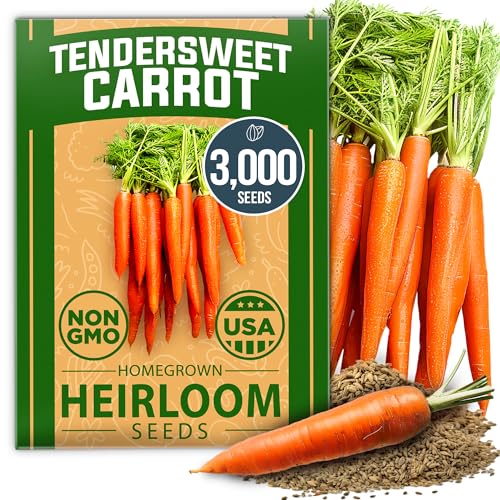
Premium Tendersweet Carrot Seeds: Authentic Open-Pollinated Premium Heirloom Seeds (USA) Non-GMO, Untreated, High Germination Rate. Phenomenal dessert Brix profile. High-impact carotene energy. An outstanding orange monolith for open ground, high ridges, and patio containers. Your garden bed is your pride.

Danvers 126 Heirloom Carrot - Daucus carota; sweet, nearly coreless 6-7" taproots with a blunt tip; originally bred in Danvers, MA in 1886; thrives in clay and heavy soils where most carrots fork and fail.
Ideal Spacing for Carrot Plants
When it comes to Ideal Spacing for Carrot Plants, it’s crucial to give them enough room to grow and develop properly. Carrots are root vegetables, and the space you provide directly impacts the size and quality of the harvest. Here are some essential tips to help you determine the right spacing for your carrot plants:
- Thin Carrots Early: Start by thinning out your carrot seedlings when they reach about 2 inches in height. This initial thinning helps prevent overcrowding and allows the remaining plants to thrive.
- Final Spacing: For most carrot varieties, aim for a final spacing of about 2 to 4 inches between plants. Proper spacing ensures that carrots have enough room to develop their roots without competition.
- Row Spacing: When planting carrot seeds, space out your rows to give each plant adequate access to sunlight and nutrients. Aim for a row spacing of 12 to 18 inches to allow for easy weeding and maintenance.
- Deep vs. Wide Rows: Consider the depth and width of your rows when planting carrots. Deep rows allow for longer roots to develop, while widely spaced rows ensure good air circulation and reduce the risk of disease.
- Successive Planting: To extend your harvest season, consider planting carrots in succession every 2 to 3 weeks. This staggered approach can help you enjoy a continuous supply of fresh carrots throughout the growing season.
By following these spacing guidelines and adjusting them based on your specific carrot variety and growing conditions, you can create an optimal environment for your carrot plants to thrive and produce bountiful, flavorful roots.
Recommended Products

Precise Planting Measurement: The foldable plant ruler is designed to provide precise measurements for seed spacing, ensuring optimal growth for a variety of vegetables including carrots, tomatoes, peas, potatoes, and cabbage.
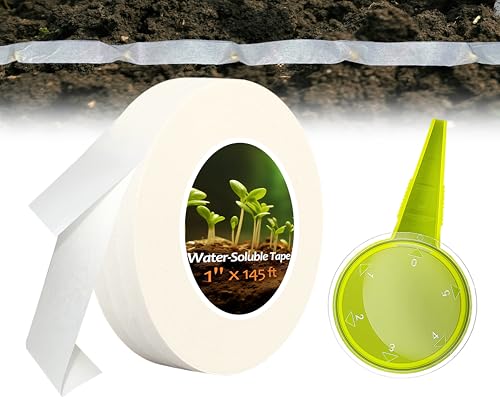
🌱 Planting Kit: Includes 1 roll of seed tape (1” x 145 ft) and a seeder tool for 5 seed sizes. This gardening tape for plants makes sowing faster, easier, and more efficient—perfect for precision planting in your garden, and holds seeds tight so they won’t fall off.
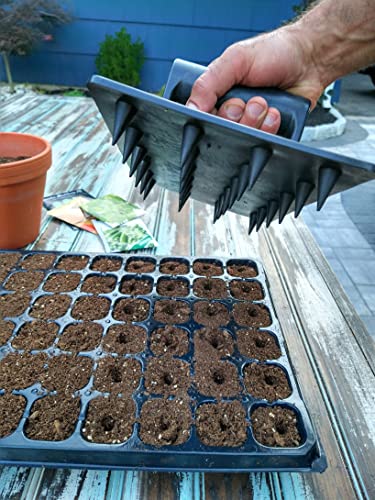
Efficiently start seeds indoors by creating perfect planting holes in 72-cell seed trays
Tips for Maximizing Carrot Growth with Adequate Space
Creating the right amount of space for your carrot plants is crucial for ensuring they reach their full potential. Here are some tips to help you maximize growth with the space you provide:
- Thin Early: Start by thinning out seedlings when they reach about 2 inches tall. This gives each plant room to develop without competing for resources.
- Final Spacing: Aim for a final spacing of 2 to 4 inches between carrot plants. This allows them to grow without overcrowding.
- Row Spacing: Space your rows 12 to 18 inches apart to ensure there is enough room for the plants to spread out.
- Deep vs. Wide Rows: Consider deep rows for heavier soil and wide rows for lighter, sandy soil. This allows the roots to grow easily.
- Successive Planting: Extend your harvest season by successively planting carrots every few weeks. This ensures a continuous supply of fresh carrots.
- Customize Spacing: Adjust spacing based on the specific varieties you are growing and the environmental conditions in your area. Different varieties may require slightly different spacing to thrive.
By following these tips, you can provide your carrot plants with the space they need to thrive and yield delicious, healthy roots.
Recommended Products

Precise Spacing for Better Growth - This seed spacers planting tool helps you mark evenly spaced seed positions and straight planting rows, giving plants more consistent room to grow while improving garden organization and reducing guesswork.

DON’T RISK A SMALL HARVEST Avoid the frustration of low yields caused by overcrowded or poorly spaced plants. Inspired by Square Foot Gardening, Seed Spacer Tool prevents spacing mistakes that hold your garden back — giving you the big, healthy harvest you deserve.

Precise & Scientific Spacing: This seed ruler ensures accurate, consistent, and scientifically calculated spacing for vegetables like carrots, tomatoes, peas, potatoes, and cabbage, promoting healthier growth and higher yields
Conclusion
Providing adequate space for your carrot plants is crucial for their healthy growth. By thinning out seedlings early and maintaining a final spacing of 2 to 4 inches between plants, as well as spacing rows 12 to 18 inches apart, you can optimize their development. Consider the advantages of deep vs. wide rows, explore successive planting for prolonged harvests, and tailor spacing to suit different carrot varieties and growing conditions. By implementing these strategies, you can create an ideal environment for your carrot plants to flourish and produce delicious, nutritious roots. Happy gardening!
Frequently Asked Questions
How important is spacing for carrot plants’ growth?
Spacing is crucial for carrot plants as it allows them to develop healthy roots without competing for resources. Adequate spacing prevents overcrowding, promotes good air circulation, and helps with weed control.
When should seedlings be thinned out?
Seedlings should be thinned out early to ensure proper spacing for optimal growth. Thinning out seedlings helps prevent overcrowding and allows the remaining plants to receive sufficient nutrients and sunlight.
What is the recommended final spacing between carrot plants?
A final spacing of 2 to 4 inches between carrot plants is ideal for promoting healthy root development. This spacing allows the plants room to grow without crowding each other and helps prevent issues like misshapen roots.
How far apart should rows be spaced for carrot plants?
Rows for carrot plants should be spaced 12 to 18 inches apart. Proper row spacing ensures that plants have enough space to grow, facilitates maintenance activities like weeding, and promotes good airflow around the plants.
What are the benefits of deep rows vs. wide rows for planting carrots?
Deep rows are beneficial for planting carrots as they provide more soil volume for root growth and help retain moisture. Meanwhile, wide rows help with weed suppression, reduce soil compaction, and make harvesting easier.
How can successive planting benefit carrot growers?
Successive planting, where seeds are sown in intervals, can extend the harvest season for carrots. This method ensures a continuous supply of fresh carrots rather than a single harvest and helps avoid a surplus of produce at once.
Should spacing for carrot plants be customized based on specific varieties?
Yes, spacing for carrot plants can be customized based on the specific varieties being grown. Some carrot varieties may require more space between plants to accommodate their growth habits, while others may thrive with closer spacing.
How should growers adjust spacing based on different growing conditions?
Growers should consider factors like soil fertility, sunlight exposure, and water availability when adjusting spacing for carrot plants. In optimal conditions, plants may require less spacing due to better resource availability, while in less favorable conditions, more spacing may be needed to support growth.
