

Ever planted carrot seeds only to find them mysteriously disappearing? Frustrating, right? You envision a bountiful harvest, but those sneaky birds have other plans. Don’t worry, you’re not alone in this struggle.
Imagine a garden where your carrot seeds are safe from those feathered thieves. Picture yourself enjoying a thriving vegetable patch, free from bird-induced setbacks. In this article, you’ll discover simple yet effective ways to protect your carrot seeds and ensure a successful yield.
Understanding the Behavior of Birds
Birds are fascinating creatures with behaviors that can both enchant and frustrate gardeners like yourself. Understanding why they go after your carrot seeds is key to effectively deterring them from your garden.
- Bird Vision: Birds have excellent vision and can easily spot carrot seeds on the ground.
- Foraging Instincts: Birds, especially seed-eating species, are naturally drawn to small, easily accessible food sources.
- Seed Diversity: Different bird species have preferences for specific seeds, including carrot seeds, based on their nutritional needs.
To prevent birds from eating your carrot seeds, it’s essential to employ strategies that target these specific behaviors.
Creating Physical Barriers
To protect your carrot seeds from bird interference, consider implementing physical barriers. Here are effective strategies you can utilize:
- Netting: Cover your carrot seedbeds with bird-proof netting to deter birds from accessing the seeds.
- Row Covers: Use row covers made of lightweight fabric or material to shield your seeds from bird intrusion.
- Cloches: Place individual cloches over seedlings to safeguard them from bird pecking.
- Fencing: Install a low fence around your garden area to create a barrier against bird approach.
| Strategies | Benefits |
|---|---|
| Netting | Effective bird deterrent |
| Row Covers | Shields seeds from bird intrusion |
| Cloches | Safeguards individual seedlings |
| Fencing | Creates a barrier against bird approach |
Remember, adopting multiple methods can enhance the protection of your carrot seeds from bird foraging.
Implementing Visual Deterrents
When it comes to protecting your carrot seeds from pesky birds, visual deterrents can be a valuable addition to your arsenal. Here are some effective strategies you can implement:
- Shiny Objects: Hang reflective materials like old CDs, aluminum foil strips, or metallic pinwheels near your carrot seed beds to distract and deter birds.
- Predator Decoys: Placing decoys of predators, such as owl or hawk figures, can help create the illusion of danger for birds, keeping them away from your precious seeds.
- Scarecrow: A classic but effective choice, setting up a scarecrow in your garden can provide a visual deterrent, especially if it moves in the wind.
- Bird Silhouettes: Use cutouts or decals of predatory birds like hawks and falcons to mimic a threat, dissuading smaller birds from venturing near your carrot seeds.
- Visual Patterns: Create a visual barrier using materials with striking patterns, like pinwheels with bold designs, to confuse and deter birds.
| Key Fact | Value |
|---|---|
| Shiny Objects | Distract birds |
| Predator Decoys | Create illusion of danger |
| Scarecrow | Effective visual deterrent |
| Bird Silhouettes | Mimic predatory threat |
| Visual Patterns | Confuse and deter birds |
Recommended Products

Why Choose Our Bird Deterrent Garden Protectors: The horned owl scarecrow scares birds away from fruit trees or vine, squirrels, pigeons, rabbits, seagulls, varmints, raccoons and small mammal etc. Especially big yellow bright eyes and realistic physique to frighten birds, Keep the annoying visitors out of your garden, backyard, patio, and deck

Bird Scare Reflectors: Crafted from high-definition mirror materials, our bird repellent devices outdoor are safe for animals and serve a dual purpose by stopping birds from nesting on porches and hitting windows. It's an ideal solution for protecting gardens, patios,orchards,crops,pools,boats,cars, and other valuable assets from avian intrusion
Using Natural Repellents
When it comes to protecting your carrot seeds from birds, using natural repellents can be an effective method. Consider the following options:
- Aromatic Herbs: Plant strong-smelling herbs like lavender or rosemary near your carrot patch. Birds are often put off by these scents and may be less likely to disturb your seeds.
- Citrus Peels: Scatter citrus peels around the area where you’ve planted your carrot seeds. The sharp smell of citrus can act as a deterrent to birds.
- Pepper Flakes: Sprinkle pepper flakes around your carrot patch to create a spicy barrier that birds tend to avoid.
These natural repellents can help protect your carrot seeds without causing harm to the birds or the environment.
| Method | Effectiveness |
|---|---|
| Aromatic Herbs | High |
| Citrus Peels | Medium |
| Pepper Flakes | Medium |
Recommended Products

ECONOMICAL: Makes up to 2 gallons of ready to use product!

Bird Preventer: The Bird-X Balcony Gard is an ultrasonic bird preventer that generates soundwaves with an adjustable frequency range of 15 to 25 kHz that are nearly silent to humans but annoy and irritate birds, forcing them to seek calmer areas
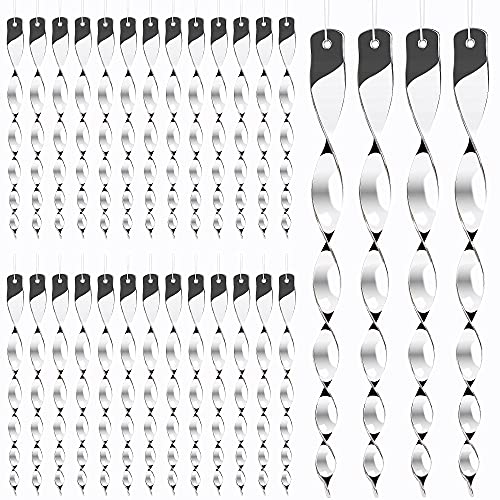
Keep Birds Away: Our visual reflective ornamental silver rods uses wind motion and sun light reflections to keep birds away coming from any angle. 30 pack shiny reflective plastic repellent devices can rotate easily in the breeze, protect your garden, farm, and lawn by creating a bright flash that scares away birds.
Establishing a Bird-Friendly Zone
When creating a bird-friendly zone in your garden, you’re offering a designated space for our feathered friends while safeguarding your carrot seeds. Here’s how you can set it up:
- Provide bird feeders: Fill them with seeds and grains to divert birds’ attention away from the carrot seeds
- Install birdbaths or a small pond: Birds will be attracted to these sources of water, keeping them occupied
- Plant native trees and shrubs: They offer birds shelter and places to perch, reducing their focus on the carrot garden
- Avoid scare tactics: Loud noises or flashy objects may startle birds, but these are temporary solutions
- Maintain the bird-friendly zone: Regular replenishment of feeders and water sources keeps birds active in that area
| Establishing a Bird-Friendly Zone |
|---|
| Provide bird feeders |
| Install water sources |
| Plant native vegetation |
| Avoid scare tactics |
| Maintenance is key |
It’s all about creating a harmonious environment where birds thrive, and your carrot seeds remain safe.
Conclusion
By creating a bird-friendly zone in your garden, you can deter birds from feasting on your precious carrot seeds. Setting up bird feeders, birdbaths, and native plants will provide birds with alternative sources of food and shelter, keeping them away from your seedlings. Remember to avoid scare tactics and maintain the bird-friendly environment by regularly replenishing feeders and water sources. With these simple steps, you can enjoy a thriving garden while coexisting peacefully with the bird population. Happy gardening!
Frequently Asked Questions
How can I protect my carrot seeds from birds in the garden?
To protect your carrot seeds from birds, consider creating a bird-friendly zone in your garden. This involves setting up bird feeders with seeds and grains, installing birdbaths or a small pond, planting native trees and shrubs for shelter, avoiding scare tactics like loud noises, and regularly replenishing feeders and water sources to maintain the bird-friendly environment. By attracting birds to a designated area, you can keep them occupied and deter them from feasting on your carrot seeds.
