

Have you ever wondered just how much room your lettuce plants need to thrive? If you’re planning a garden or trying to maximize your space, this question is more important than you might think.
Key Takeaways
- Lettuce Spacing Requirements: Leaf lettuce needs 6-12 inches apart; Romaine and head lettuce require 12-18 inches to thrive.
- Growth Factors: Space needs depend on growth habits, soil quality, sunlight exposure, and watering practices.
- Container Gardening: Choose containers that are at least 6-12 inches deep and ensure proper drainage for optimal lettuce growth.
- Companion Planting Benefits: Pair lettuce with compatible plants like radishes and carrots to enhance growth and deter pests.
- Vertical Gardening: Implement vertical gardening techniques such as trellises and wall planters to maximize garden space effectively.
Understanding Lettuce Plant Growth
Lettuce plants require specific space to grow optimally. Knowing how much room they need helps ensure a healthy yield and prevents overcrowding.
Types of Lettuce and Their Space Requirements
Different types of lettuce vary in space needs. Here’s a breakdown of some common types:
- Leaf Lettuce: Space 6 to 12 inches apart. This type grows tall and wide, so give it room to expand.
- Romaine Lettuce: Space 12 to 18 inches apart. Romaine thrives with adequate sunlight and air circulation, which space provides.
- Head Lettuce (Butterhead, Iceberg): Space 12 to 18 inches apart. These varieties form tight heads, needing enough distance to fully develop.
- Microgreens: Space about 1 inch apart. These small plants don’t require much room, but they benefit from sufficient light and moisture.
Factors Influencing Space Needs
Several factors influence the space requirements for your lettuce plants:
- Growth Habit: Consider whether the variety spreads or grows vertically. Leafy types may need more width, while upright types need vertical space.
- Soil Quality: Rich, well-draining soil encourages growth. Poor soil may stunt growth; thus, plants should be farther apart if the soil doesn’t drain well.
- Sunlight Exposure: More sunlight leads to healthier plants. When planting, ensure no shade covers adjacent plants, which affects spacing.
- Watering Practices: Overcrowded plants can compete for moisture. Ensure you space them adequately to receive enough water, especially during dry spells.
Adjusting space based on these factors leads to better growth and healthier plants.
Recommended Spacing for Different Varieties
Understanding the spacing requirements for various lettuce types enhances growth and yields. Here are the optimal spacings for popular varieties.
Recommended Products

Complete Lettuce Garden Starter Kit Indoor – 5 heirloom salad and green seed packets, 8 biodegradable soil disks, 8 plant markers, and 8 starter pots. Romaine, Spinach, Arugula, Kale and Buttercrunch lettuce heirloom seeds are the star of the set!

🥬 Heat-Tolerant Upright Romaine: Jericho Romaine Lettuce (Lactuca sativa) forms tall, sturdy heads with crisp ribs and tender, mildly sweet leaves. Known for its strong heat tolerance compared to many romaine varieties, it grows 18–24 inches tall and delivers reliable harvests in extended spring and early summer conditions.
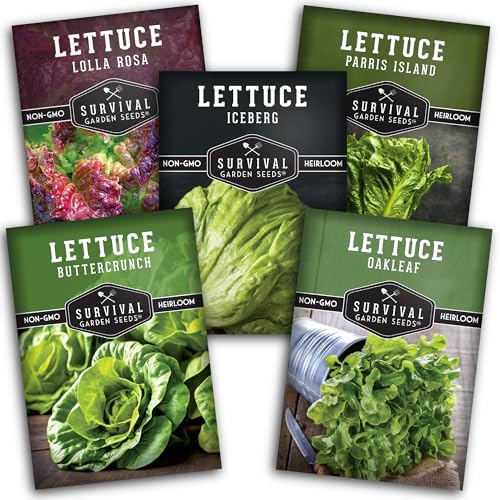
FIVE LETTUCE VARIETIES — Lettuce (Lactuca sativa) favorites including Romaine Parris Island, Buttercrunch, Iceberg, Oakleaf and Lolla Rosa for colorful, crisp salad garden harvests
Leaf Lettuce
Leaf lettuce thrives when spaced 6 to 12 inches apart. This flexibility allows you to manage your garden space effectively. If you’re planting multiple rows, allow 12 inches between rows to provide enough room for growth and air circulation. Regularly harvest outer leaves to encourage continued growth and maximize your yield.
Head Lettuce
Head lettuce, including Butterhead and Iceberg varieties, requires more room, needing 12 to 18 inches between each plant. This spacing accommodates the head’s larger size as it matures. For row planting, maintain a distance of 18 inches between rows. Aim to harvest when heads are firm to ensure you’re enjoying them at their best.
Romaine Lettuce
Romaine lettuce demands similar spacing to head lettuce, requiring 12 to 18 inches between plants. For rows, stick to 18 inches apart. This spacing helps stabilize the taller plants, preventing them from toppling over as they grow. Anticipate your harvest by monitoring the size of the leaves, ensuring they reach peak crispness.
Growing Lettuce in Containers
Growing lettuce in containers is a great way to optimize space while enjoying fresh produce. Ensure you select the right containers and soil to facilitate healthy growth.
Recommended Products

HELPS REGULATE SOIL MOISTURE: Miracle-Gro Organic Indoor Potting Soil Mix is an organic potting soil that protects indoor plants against over and under watering

INDOOR GROWING: Growing indoors is easy under the right conditions; Miracle-Gro Houseplant Potting Mix is an indoor plant potting soil that combines key elements container plants need to thrive

FEEDS UP TO 6 MONTHS: Miracle-Gro Potting Mix is a gardening soil for outdoor containers that feeds all types of potted plants, including flowers, vegetables, shrubs, annuals, and perennials for up to 6 months
Container Size and Type
Choose containers that provide ample space for lettuce roots. A container size of at least 6 to 12 inches deep works well for most lettuce varieties. Leaf lettuce can thrive in containers as small as 6 inches in diameter. For Romaine and head types, aim for 12 inches in diameter or larger.
Opt for materials like plastic, clay, or fabric. Ensure containers have drainage holes to prevent waterlogging. If you’re growing multiple plants, consider using a rectangular planter to maximize space.
Soil Requirements
Use a high-quality potting mix for growing lettuce in containers. Look for mixtures that retain moisture while providing good drainage. A blend containing peat moss, perlite, and compost works well.
Aim for a pH range of 6.0 to 7.0, which allows for optimal nutrient absorption. You can enhance soil quality by mixing in organic fertilizers, such as compost or well-rotted manure, before planting. Ensure soil is moist but not soggy before sowing seeds or transplanting seedlings.
Maximizing Space in the Garden
Maximizing space in your garden enhances your lettuce yields and ensures healthier plants. Two effective strategies include companion planting and vertical gardening techniques.
Companion Planting
Companion planting involves pairing lettuce with other plants that benefit each other. This strategy not only saves space but also naturally deters pests and improves growth. For instance:
- Radishes: Planting radishes alongside lettuce can help break up the soil, allowing for better root growth.
- Carrots: These vegetables develop their roots at a different depth, meaning they won’t compete for space.
- Nasturtiums: These attract aphids away from lettuce, providing natural pest control.
Planting companions strategically can lead to healthier crops and maximized garden efficiency. Ensure you research the needs of each companion plant to optimize your garden layout.
Vertical Gardening Techniques
Vertical gardening allows you to grow lettuce upward instead of sideways, saving valuable ground space. Incorporate various vertical structures and methods to boost your gardening potential. Options include:
- Vertical Frames: Use trellises or frames to support lettuce and other climbing plants, allowing sunlight to reach all foliage.
- Hanging Baskets: Install baskets at varying heights. They work well for leaf lettuce varieties, making harvesting easier.
- Wall Planters: Utilize wall-mounted planters filled with potting mix. These can house several lettuce plants in a compact area.
Vertical techniques create a visually appealing garden and maximize space usage. Adjust the height of your plants based on their growth habits and ensure sufficient sunlight exposure for optimal growth.
Conclusion
Understanding the space needs for your lettuce plants is key to a thriving garden. By giving each type of lettuce the room it needs you’ll not only boost your yields but also keep your plants healthy and happy.
Experimenting with techniques like companion planting and vertical gardening can help you make the most of your space while adding a touch of creativity to your garden.
So whether you’re growing in the ground or in containers remember that a little planning goes a long way. Enjoy the process and watch your lettuce flourish!
Frequently Asked Questions
How much space do I need for leaf lettuce?
Leaf lettuce requires spacing of 6 to 12 inches apart. This distance allows the plants to thrive without overcrowding, ensuring they receive adequate sunlight, nutrients, and water.
What is the spacing requirement for romaine and head lettuce?
Romaine and head lettuce, such as Butterhead and Iceberg, need more room, typically 12 to 18 inches apart. This spacing promotes healthy growth and helps avoid competition for resources.
Can I grow microgreens in a small space?
Yes, microgreens can be grown in very limited space, as they only require about 1 inch apart. Their compact nature makes them ideal for small gardens or even indoor setups.
What factors influence the space needed for lettuce?
Key factors include growth habit, soil quality, sunlight exposure, and watering practices. Adjusting spacing based on these elements can enhance growth and overall yield.
What are some strategies to maximize garden space for lettuce?
Utilize companion planting by pairing lettuce with plants like radishes or carrots. Consider vertical gardening techniques, such as using wall planters or hanging baskets, to utilize upward space efficiently.
What are the benefits of growing lettuce in containers?
Growing lettuce in containers offers flexibility and makes it easier to control soil quality and watering. Ensure the container is large enough and has good drainage for optimal plant health.
How should I harvest lettuce to encourage growth?
Monitor the size of the leaves and harvest them at the right time. Timely harvesting prevents overcrowding and promotes further growth in the lettuce plants.
Can sunlight exposure affect the growth of lettuce?
Yes, adequate sunlight is crucial for healthy lettuce growth. Ensure your lettuce receives enough direct sunlight daily, ideally 6 to 8 hours, to optimize leaf development.
