

Ever wondered how long it takes for that crisp lettuce to sprout from tiny seeds? If you’ve tried growing your own greens, you know the anticipation can be both exciting and frustrating. You plant the seeds, water them, and then wait—hoping for a quick return on your gardening efforts.
Key Takeaways
- Germination Time: Lettuce seeds usually take 7 to 14 days to germinate, depending on the variety and conditions.
- Optimal Temperature: Ideal soil temperatures for lettuce germination range from 60°F to 70°F (15°C to 21°C) for best results.
- Moisture Levels: Consistent soil moisture is crucial; keep the soil moist but avoid overwatering to prevent seed rot.
- Light Requirements: Some lettuce varieties require light to germinate, so sprinkle seeds on the surface and provide adequate lighting for healthy growth post-sprouting.
- Varietal Differences: Different lettuce varieties have specific germination times; for instance, leaf lettuce and romaine sprouts typically between 7 to 10 days.
- Seed Quality: High-quality, fresh seeds are essential for successful germination; check expiration dates and consider pre-soaking seeds to enhance sprouting.
Understanding Lettuce Germination
Lettuce germination plays a crucial role in the growing process. Knowing the timeline and conditions can enhance your gardening success.
Importance of Germination Time
Germination time determines how quickly you can start enjoying home-grown lettuce. Typically, lettuce seeds take between 7 to 14 days to sprout. A faster germination can lead to earlier harvests and fresher salads. Understanding this timeframe helps you plan your planting schedule effectively, ensuring you optimize your garden’s yield.
Factors Influencing Germination
Several factors influence the germination of lettuce seeds:
- Temperature: Lettuce prefers a temperature range of 60°F to 70°F (15°C to 21°C) for optimal germination. Anything too cold or too hot can delay sprouting.
- Soil Moisture: Keeping the soil consistently moist supports seed germination. Overwatering can cause rot, while underwatering can lead to prolonged sprouting times.
- Light Exposure: Some lettuce varieties require light for germination, so sprinkle seeds lightly on the surface rather than burying them deep.
- Seed Quality: Fresh, healthy seeds yield better results. Always check the expiration date on the seed packet to ensure viability.
Paying attention to these factors can significantly improve your chances of successful lettuce germination.
Lettuce Varieties and Their Germination Times
Different lettuce varieties have distinct germination times, allowing you to choose the ones that suit your gardening needs. Here’s a breakdown of popular varieties and their average germination durations.
Recommended Products

4 Popular Heirloom Lettuce Varieties: Includes Red Romaine, Bibb Butterhead, Black Seeded Simpson, and Green Ice lettuce seeds to grow crisp, tender, and colorful salad greens with balanced flavor, texture, and visual appeal.

Beautiful - Large, premium packet of a blend of heirloom Lettuce seeds (Latuca sativa). This surprising mix of pretty and colorful lettuces will be a welcome addition to your garden in early spring and fall. Minimum of 600 mg per packet (about 650 seeds).

USDA Certified Organic by Oregon Tilth
Leaf Lettuce
Leaf lettuce typically germinates within 7 to 14 days. This variety includes types like ‘Black Seeded Simpson’ and ‘Buttercrunch.’ For best results, maintain soil moisture and a temperature range of 60°F to 75°F. Regular watering helps encourage consistent germination.
Romaine Lettuce
Romaine lettuce, known for its crisp texture, takes about 7 to 10 days to germinate. Varieties such as ‘Paris Island’ and ‘Little Gem’ perform well in various climates. Ensure the soil remains moist and warm for optimal sprouting. Good air circulation aids in preventing dampening-off, a common issue for seedlings.
Butterhead Lettuce
Butterhead lettuce generally sprouts in 8 to 12 days. Varieties like ‘Bibb’ and ‘Boston’ are popular choices. Keep the planting area shaded during hot summer months to avoid bolting. Consistent moisture and temperatures between 65°F and 70°F enhance germination rates and seedling health.
Optimal Conditions for Germination
Lettuce seeds germinate best under certain conditions. Understanding these factors helps ensure successful sprouting and healthy plants.
Recommended Products

✓ Consistent & Uniform Heating: BN-LINK seedling heat mat for seed starting maintains temperatures around 70–85℉, creating ideal conditions for seed starter and cutting propagation, speeding up seed germination and accelerating seedlings growth. The advanced heating film with double insulation layers ensures even heat and prevents scorching roots.
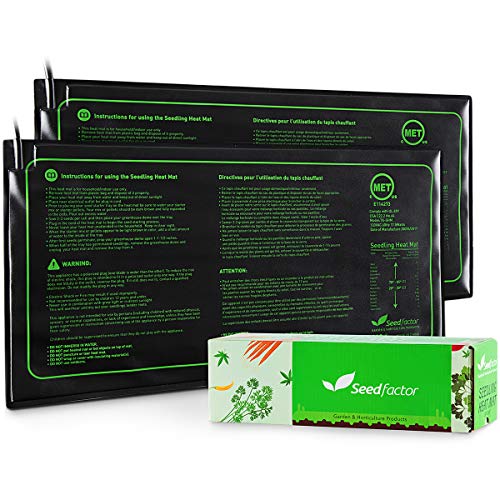
MET safety certified;Comply with UL 499;CSA C22.2 No.64

Reliable Results: The VIVOSUN professional heat mat maintains optimal temperatures around 68-86℉ (20-30℃), perfect for Seedling start and cutting propagation; Made from durable PVC material, it's designed to last
Soil Temperature
Soil temperature directly affects germination speed. Aim for temperatures between 60°F to 75°F for optimal growth. When temperatures drop below 50°F, germination slows down significantly. Use a soil thermometer to check conditions. If the soil is cooler, consider covering the area with black plastic to absorb heat or starting seeds indoors.
Moisture Levels
Maintaining proper moisture levels is crucial for germination. Keep the soil consistently moist but not waterlogged. Water lightly every few days; overwatering can lead to rot. Use well-draining soil and provide a light misting to prevent seed displacement. A humidity dome can help retain moisture during the early stages, creating a favorable environment for sprouting.
Light Exposure
Light exposure influences germination timing and success. While lettuce seeds can germinate in darkness, providing light soon after will promote healthy growth. Use fluorescent or LED grow lights, keeping them on for 12 to 16 hours a day. Ensure seedlings receive enough light once they emerge to prevent leggy growth. If growing indoors, rotate the trays regularly for even light distribution.
Tips for Successful Lettuce Germination
Successful lettuce germination hinges on several key strategies. Understanding these tips can streamline your planting process and enhance your results.
Recommended Products

EASIER SEED STARTING: Our Burpee SuperSeed tray with 36 flexible pop-out cells is designed to simplify indoor seed starting for all your favorite vegetables, flowers and herbs. Just add seed starting mix, seeds, water and light to get growing! Rows are labeled alphanumerically for seedling identification with included Plant-o-Gram diagram. Tray dimensions: 11.5" x 10-3/8" x 2-1/4"
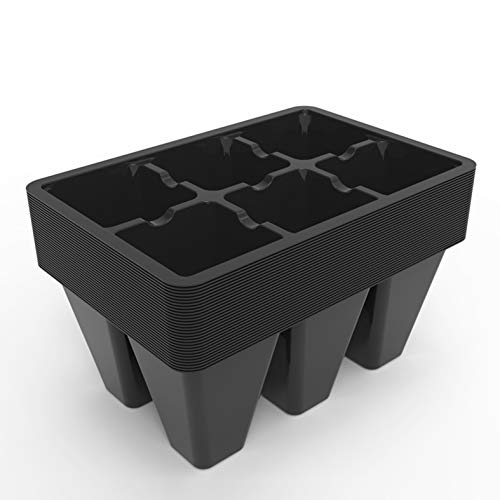
High Quality and Durable - Our Gardzen Seed Start Trays are made from premium plastic material, ensuring long-lasting use for all your seed starting needs. These trays are designed to withstand daily wear and tear, making them perfect for avid gardeners.

EASIER SEED STARTING: Our Burpee SuperSeed tray with 8 extra-large flexible pop-out cells is designed to simplify indoor seed starting. Just add seed starting mix, seeds, water and light to get growing! Perfectly sized for starting seeds in the windowsill: 11.5" x 5-3/16" x 2-1/4". Rows are labeled alphanumerically for seedling identification with included Plant-o-Gram diagram.
Seed Preparation
Choose high-quality seeds to maximize your chances. You might soak seeds in water for 12 to 24 hours before planting. This process can help kick-start the germination process. Store seeds in a cool, dry place until you’re ready to plant. Only use seeds that show no signs of damage or decay.
Sowing Techniques
Plant seeds at the right depth—typically 1/8 to 1/4 inch deep. Space them according to the specific variety’s recommendations, ensuring adequate airflow around emerging plants. Water gently after sowing to avoid displacing the seeds. For outdoor planting, you can sow seeds directly into the garden bed or start indoors in seed trays for earlier harvests.
Post-Germination Care
Monitor soil moisture closely. Keep it consistently moist but not soggy, as excess water can lead to rot. Thin seedlings once they develop a few true leaves, providing enough space for healthy growth. Ensure they receive adequate light for 12 to 16 hours daily. If seedlings appear leggy, they may need more direct light.
Conclusion
Growing lettuce can be a rewarding experience filled with anticipation. Knowing that germination typically takes about 7 to 14 days helps you plan your garden effectively.
By paying attention to factors like temperature and moisture you can enhance your chances of success. Choosing the right variety for your needs and following some simple tips can make all the difference.
So get ready to enjoy fresh lettuce right from your garden. With a little patience and care you’ll soon be harvesting your delicious greens. Happy gardening!
Frequently Asked Questions
How long does it take for lettuce seeds to germinate?
Lettuce seeds typically germinate within 7 to 14 days, depending on the variety and growing conditions. Factors like temperature, moisture, and light exposure play crucial roles in the germination process.
What factors influence lettuce seed germination?
Key factors influencing lettuce seed germination include soil temperature, moisture levels, light exposure, and seed quality. Maintaining optimal conditions can greatly enhance the chances of successful sprouting.
What are some popular lettuce varieties for home gardening?
Popular lettuce varieties include Leaf lettuce (‘Black Seeded Simpson’, ‘Buttercrunch’), Romaine (‘Paris Island’, ‘Little Gem’), and Butterhead (‘Bibb’, ‘Boston’). Each has specific germination times and growing preferences.
How should I prepare my soil for lettuce seeds?
For growing lettuce, use well-draining soil and maintain consistent moisture. It’s recommended to keep the soil temperature between 60°F to 75°F for optimal germination.
Should I provide light to seedlings immediately after germination?
Yes, while lettuce seeds can germinate in darkness, it’s crucial to provide light shortly after they sprout. Use fluorescent or LED grow lights for 12 to 16 hours a day to promote healthy growth.
What are some tips for enhancing lettuce germination?
To enhance germination, consider using high-quality seeds and soaking them for 12 to 24 hours before planting. Also, plant seeds at a depth of 1/8 to 1/4 inch and ensure proper spacing for airflow.
