

Are you struggling to grow the perfect lettuce in your garden? You’re not alone. Many gardeners find that getting the right balance of sunlight and shade is tricky. Too much sun can lead to bitter leaves while too little can stunt growth.
Key Takeaways
- Optimal Sun Exposure: Lettuce thrives best with 12 to 14 hours of light daily, requiring 2 to 4 hours of direct sunlight to prevent heat stress and bolting.
- Importance of Shade: Providing adequate shade regulates temperature, improves leaf quality, and retains soil moisture, essential for growing tender lettuce.
- Watering Needs: Consistently moist soil is crucial; aim for approximately 1 inch of water weekly using efficient methods like drip irrigation to prevent drought stress.
- Variety-Specific Needs: Different lettuce varieties have unique light requirements, with some needing more shade than others; adapt your strategy accordingly.
- Natural and Artificial Shade Solutions: Utilize natural shade from trees and shrubs or implement structures like shade cloth and row covers to protect lettuce from intense sunlight.
- Regular Monitoring: Adjust shade and watering based on weather conditions and plant growth to ensure optimal health and an abundant harvest.
Understanding Lettuce Growth
Lettuce grows best in cool temperatures, thriving between 60°F and 70°F. Excessive heat causes stress, resulting in bolting—where plants produce flowers and seeds instead of leafy greens. To prevent this, you should monitor the climate and provide shade during peak heat.
Lettuce requires 12 to 14 hours of light daily. While it enjoys sunlight, you must balance this with adequate shade during the hottest hours. Morning sunlight is ideal, while the afternoon sun can be too intense, leading to bitter leaves. If your area experiences high temperatures, consider partial shade with structures like shade cloth or row covers.
Lettuce responds well to nutrient-rich soil, so incorporate organic matter like compost. Conduct soil testing to ensure the right pH balance, ideally between 6.0 and 7.0. Proper nutrients promote strong growth and enhance the plant’s ability to withstand heat stress.
Watering plays a crucial role in lettuce growth. Keep the soil consistently moist but not soggy. Drip irrigation systems are effective, delivering water directly at the roots while minimizing evaporation. Aim for about 1 inch of water weekly, adjusting based on weather conditions.
Consider companion planting to further enhance lettuce growth. Pairing lettuce with crops like radishes or onions can provide natural shade and deter pests. Utilize intercropping methods to maximize your garden space and improve overall yield.
To summarize, managing temperature, light exposure, soil quality, and moisture keeps lettuce healthy. Monitoring these factors ensures a successful and satisfying growing experience.
The Importance of Shade
Shade plays a vital role in growing healthy lettuce. Proper shading helps regulate temperature, promotes growth, and enhances leaf quality. Understanding how much shade your lettuce plants need ensures a successful harvest.
Recommended Products

【High Quality ,More sizes, Give you more choices】- Our Shade Cloth can resist rays and most sunlight while air can still flow through so as to create a comfortable cool and shaded place for people or plants.

【35-45% Sun Shade for Healthy Plant Growth】 This garden shade cloth blocks about 35-45% of harsh sunlight while still letting enough light through. Perfect for vegetables, flowers, seedlings, tomatoes, and other plants that need protection without full shade.

【2-3 Years Service Life】Refuse to use recycled materials, tear resistant, high temperature resistance, glossy, safe and odorless, lightweight and durable.
Benefits of Shade for Lettuce
- Temperature Regulation: Shade moderates extreme heat, reducing the risk of bolting. Lettuce thrives in cooler conditions, ideally between 60°F to 70°F.
- Leaf Quality: Shade prevents leaves from wilting and becoming bitter. It encourages tender, sweet leaves, which are more desirable for salads and cooking.
- Moisture Retention: Shade helps maintain soil moisture by reducing evaporation. Keeping the soil consistently moist supports robust growth and healthier plants.
- Extended Growth Period: With adequate shade, you can extend the growing season. Lettuce can flourish well into warmer months by providing protection from harsh sunlight.
- Bolting: Excessive sun exposure stresses lettuce, triggering bolting, which causes the plant to flower prematurely. This results in bitter, unpalatable leaves.
- Leaf Burn: Direct, intense sunlight can scorch leaves, leading to sunburn or injury. This damage can stunt growth and diminish crop quality.
- Moisture Loss: Increased sun exposure accelerates moisture loss in the soil. If you don’t adjust watering schedules, your plants might suffer from drought stress.
Fostering the right shade conditions helps you grow healthy, delicious lettuce. Monitor your plants closely and adjust their environment to suit their needs.
How Much Shade Does Lettuce Need?
Lettuce thrives under specific shade conditions. Providing the right amount of shade helps maintain optimal growth and leaf quality.
Recommended Products
【 Sunshade and Breathable 】- Our Shade Cloth can resist rays and most sunlight while air can still flow through so as to create a comfortable cool and shaded place for people or plants.
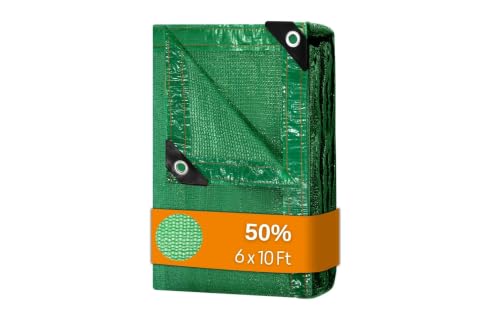
50% shading - BeGrit shade cloth are perfect for protecting the environment from shade and heat. Does not affect photosynthesis, better for blocking sunlight and heat while still allowing air to circulate

【High Quality Shade Cloth 】- Our Shade Cloth can resist rays and most sunlight while air can still flow through so as to create a comfortable cool and shaded place for people or plants.
Optimal Shade Conditions
Lettuce typically requires 2 to 4 hours of direct sunlight each day. During peak summer months, offering partial shade during the hottest times of the day can prevent heat stress. Shade structures, such as cloth or netting, work well to block intense sunlight while allowing some light through. Placing plants in the shadow of taller crops or structures can also help regulate temperature. Monitor growth closely and adjust shading as needed, especially in extreme weather conditions to avoid bolting.
Varieties of Lettuce and Their Shade Needs
Different lettuce varieties have varying shade preferences.
- Romaine prefers moderate light, thriving with about 4 hours of sunlight but benefits from some afternoon shade.
- Butterhead grows well in partial shade, flourishing with 2 to 5 hours of sunlight daily.
- Leaf lettuces tolerate more shade, often thriving in gardens with only 2 to 3 hours of direct sunlight.
Assess your chosen variety and adapt your gardening strategy for optimal results. Adjust shade provisions based on your local climate and seasonal changes to ensure healthy, flavorful lettuce.
Tips for Providing Shade
Providing the right amount of shade for lettuce keeps plants healthy and flavorful. Here are some methods for achieving optimal shading.
Recommended Products

【2-IN-1 DESIGN】This Warmfarm garden cloche tunnel comes assembled with 6 hoop stakes & a drawstring to open and close the access points. Accessible from either end & folds accordion style to allow access to any part of your garden row with ease!

※Big Size to cover large area : The size of our plant cover is 10x30ft, the size can cover large areas. You can cut the plant covers freeze protection into different sizes for different use. You can cover it over the plant such as shrub tomato, pepper, pumpkin, and so on.

36 PCS Garden hoops for Raised Bed : Greenhouse Hoops frame widely used indoors and outdoors, great for the yard, vegetable garden, and garden raised beds. DIY Garden Hoops Grow Tunnel Kit works well to protect your plants, seedlings, herbs flowers,strawberry in any season gardening plant.Plant support for climbing plants,plant stakes for outdoor plants,Tomato support garden stakes.
Natural Shade Solutions
- Trees: Utilize nearby trees to offer filtered sunlight. Deciduous trees provide shade while allowing light in as leaves grow back in spring.
- Shrubs: Position shrubs strategically around the lettuce bed for partial shade. Choose fast-growing varieties to create shade more quickly.
- Other Crops: Plant taller crops, like corn or sunflowers, on the northern side of the lettuce to block harsh afternoon sun. This method protects lettuce from excessive heat.
- Shade Cloth: Use shade cloth with a density of 30-50% for effective coverage. Drape it over a frame or use garden stakes to create a tent-like structure.
- Row Covers: Opt for lightweight row covers. They shield plants from intense sunlight while allowing air and moisture to circulate. Secure the edges with soil or weights.
- Tarp: Position a tarp or a similar material above your lettuce beds. Ensure it’s elevated to prevent direct contact and allow airflow.
- Portable Structures: Consider using mini greenhouses or portable shades that can be moved as needed. This versatility allows you to adapt the coverage throughout the season.
Implementing these strategies helps maintain the balance of sunlight and shade needed for healthy lettuce growth while filtering out heat during peak temperatures.
Conclusion
Finding the right balance of shade for your lettuce can make all the difference in your garden. By understanding your local climate and monitoring your plants’ growth you can adjust their exposure to sunlight effectively. Whether you choose natural shading from trees or use shade cloth to protect your crops you’ll be on your way to growing delicious and tender lettuce. Remember that each variety has its own preferences so don’t hesitate to experiment a little. With the right care your lettuce will thrive and reward you with fresh greens all season long. Happy gardening!
Frequently Asked Questions
What are common challenges when growing lettuce?
Growing lettuce can be challenging due to factors like excessive heat, which can cause bolting and bitterness. Proper sunlight and shade balance is crucial, as too much sun can stress the plants, while too little can stunt growth. Additionally, maintaining soil nutrients, moisture levels, and managing pest issues are essential for healthy lettuce plants.
How does temperature affect lettuce growth?
Temperature significantly impacts lettuce growth. Excessive heat can lead to bolting, where the plant goes to seed prematurely. It’s important to provide shade during peak temperatures to prevent overheating and ensure the lettuce remains tender and flavorful, typically requiring a cool environment for optimal growth.
How much sunlight do lettuce plants need?
Lettuce generally thrives with 2 to 4 hours of direct sunlight daily. However, the amount can vary based on the specific variety and local climate conditions. Monitoring growth and adjusting sunlight exposure as needed will help achieve the best flavor and quality.
What are effective shading solutions for lettuce?
Effective shading solutions include using trees, shrubs, and taller crops for natural shade. Additionally, shade cloth, row covers, and tarps can help control sunlight exposure. Portable structures are also an option for providing flexible shading during extreme heat.
How can companion planting help with lettuce growth?
Companion planting can enhance lettuce growth by utilizing compatible herbs and vegetables that repel pests or provide necessary nutrients. For instance, planting lettuce alongside carrots or radishes can optimize space and growth while minimizing competition, leading to healthier plants and better yields.
