

Ever stared at a head of lettuce wondering how to make it shine in your salad? You’re not alone. Many people struggle to elevate this leafy green from a simple base to a star ingredient.
Key Takeaways
- Choose the Right Lettuce: Select varieties like romaine for sturdiness, iceberg for crunch, butterhead for tenderness, or arugula for a peppery kick to enhance your salad.
- Proper Preparation: Wash, dry, and cut your lettuce correctly to maintain its freshness and avoid sogginess in your salad.
- Layering Ingredients: Construct your salad by layering with a base of lettuce, adding a variety of vegetables, proteins, and toppings for a well-rounded dish.
- Dress for Success: Choose dressings that complement your lettuce; creamy options like ranch or Caesar are great for rich flavors, while vinaigrettes provide brightness.
- Dynamic Flavor Combinations: Pair lettuce with fresh vegetables, proteins, and nuts to create an exciting contrast of textures and flavors in your salad.
- Serving Suggestions: Experiment with unique presentations like wedge salads or layered salads in jars to keep your meals fresh and visually appealing.
How To Use Lettuce In Salad
Using lettuce in salad enhances both flavor and texture. Follow these steps to incorporate lettuce effectively.
Choose Your Lettuce
- Romaine: Crisp, sturdy leaves. Ideal for caesar salads.
- Iceberg: Crunchy with mild flavor. Great for mixed salads.
- Butterhead: Soft, tender leaves. Adds a delicate touch.
- Arugula: Peppery flavor. Pairs well with fruits.
Prepare Your Lettuce
- Wash: Rinse under cold water to remove dirt.
- Dry: Use a salad spinner or towel to dry leaves thoroughly.
- Tear or Chop: Tear leaves into bite-sized pieces. Chop for a more uniform look.
Layer Your Salad
- Base Layer: Start with a generous layer of lettuce.
- Vegetables: Add diced tomatoes, cucumbers, or bell peppers for crunch and color.
- Proteins: Include grilled chicken, tofu, or beans for sustenance.
- Toppings: Sprinkle nuts, seeds, or cheese for added flavor.
Dress Your Salad
- Choice of Dressing: Use vinaigrette, ranch, or a light lemon dressing. Dress just before serving to keep lettuce crisp.
- Portion Control: Use about 2 tablespoons of dressing for each serving of salad. Adjust to taste.
Toss and Serve
- Combine: Gently toss ingredients to evenly distribute dressing.
- Serve: Plate salads immediately for the freshest experience.
- Wedge Salad: Cut iceberg into quarters, top with blue cheese dressing and bacon bits.
- Salad Wraps: Use large lettuce leaves to wrap fillings like grilled shrimp or vegetables.
- Layered Salads: Alternate layers of lettuce, veggies, and proteins in a bowl or jar for meal prep.
By following these guidelines, you can elevate lettuce from a simple base to a star player in your salads.
Types Of Lettuce
Lettuce varieties add unique flavors and textures to salads. Understanding the types helps you choose the best one for your dish.
Recommended Products

1 Wrapped Head


Selected and stored fresh
Romaine Lettuce
Romaine lettuce is known for its sturdy leaves and crunchy texture. This variety can stand up to heavy dressings and toppings. The leaves are elongated and dark green at the top, gradually lightening towards the bottom. Romaine works well in Caesar salads or mixed green salads. When selecting romaine, choose heads that feel firm and have vibrant colors.
Iceberg Lettuce
Iceberg lettuce has a crisp, refreshing bite. Its tightly packed head offers a mild flavor, making it versatile for many salads. Often found in wedge salads or as a topping for sandwiches, iceberg lettuce adds crunch without overwhelming other ingredients. Look for heads that feel heavy and have bright, crisp outer leaves.
Leaf Lettuce
Leaf lettuce comes in several varieties, including green leaf and red leaf varieties. These lettuces are tender and feature delicate leaves that soften when dressed. They work great as a base in salads or as wraps for proteins. To choose leaf lettuce, look for leaves that are vibrant and not wilted. This variety adds color and texture, enhancing your salad’s visual appeal.
Preparing Lettuce For Salad
Preparing lettuce properly ensures its freshness and enhances your salad’s appeal. Follow these simple steps to get your lettuce ready for serving.
Recommended Products
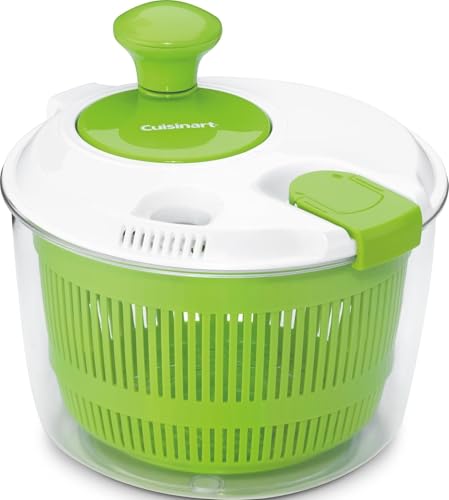
QUICK & CONVENIENT: Wash and spin-dry salad greens, fruits, and vegetables effortlessly with the Cuisinart 3qt Salad Spinner.

One-Touch OXO Salad Spinner: Did you know that OXO invented the one-touch salad spinner? Its one-handed pump gives you maximum drying of lettuce with minimum effort

QUICK & CONVENIENT: Wash and spin-dry salad greens, fruits, and vegetables effortlessly with the Cuisinart 5qt Large Salad Spinner.
Washing And Drying
- Fill your sink or a large bowl with cold water. This helps remove dirt and debris.
- Submerge the lettuce leaves in water. Allow them to soak for a few minutes so dirt can settle.
- Gently agitate the leaves. This ensures any remaining particles detach from the surface.
- Lift the lettuce out of the water. Avoid pouring the water out, as this could resettle dirt onto the clean leaves.
- Rinse each leaf under cool running water. Focus on the crevices where dirt often collects.
- Spin or pat dry the leaves. Use a salad spinner or a clean kitchen towel. Wet leaves can make your salad soggy and dilute flavors.
- Use a sharp knife or kitchen shears. A clean cut avoids bruising the leaves and maintains texture.
- Remove the core. If using romaine or iceberg, cut out the core for easier handling.
- Stack leaves for easier chopping. Lay a few leaves on top of each other and slice them into strips or desired sizes.
- Chop to your preferred size. Aim for bite-sized pieces for a balanced texture in each mouthful.
- Tear leaves by hand if preferred. This method preserves the edges, leading to a more delicate texture and appearance.
These preparation steps create a fresh salad base ready for your favorite ingredients and dressings.
Flavor Combinations
Lettuce enhances salads through unique flavor pairings. Various combinations can elevate your salad experience.
Pairing With Vegetables
- Tomatoes: Ripe tomatoes add sweetness and acidity, complementing the crispness of lettuce.
- Cucumbers: Crunchy cucumbers provide hydration and a refreshing taste, perfect with leafy greens.
- Bell Peppers: Sweet bell peppers offer color and crunch, balancing the soft texture of lettuce.
- Red Onions: A thin slice of red onion adds sharpness, intensifying the flavor profile of the salad.
- Carrots: Shredded or sliced carrots contribute sweetness and a vibrant hue, enhancing overall appeal.
- Grilled Chicken: Tender grilled chicken breast adds substance and pairs well with any lettuce variety.
- Chickpeas: These legumes bring a nutty flavor and hearty texture, perfect for vegetarian options.
- Tofu: Grilled or marinated tofu absorbs flavors, adding protein without overpowering the salad’s freshness.
- Cheese: Feta, goat, or shredded cheese introduces creaminess and a salty component, enhancing taste.
- Bacon: Crispy bacon bits provide a savory crunch, creating a delightful contrast with fresh lettuce.
Utilizing these combinations creates a dynamic salad experience that highlights the versatility of lettuce.
Salad Dressings That Complement Lettuce
Salad dressings significantly elevate the flavor of lettuce in your salads. Choosing the right dressing enhances the natural taste of lettuce and adds complexity to each bite. Below are two popular categories of dressings that work well with various types of lettuce.
Creamy Dressings
Creamy dressings provide a rich texture that complements lettuce’s crispness. They coat the leaves evenly, ensuring a satisfying mouthfeel. Consider these popular creamy options:
- Ranch Dressing: This classic pairing adds a tangy flavor that’s perfect for lettuce blends or simple salads. Try mixing in herbs like dill for extra freshness.
- Caesar Dressing: This dressing enhances romaine lettuce, particularly in Caesar salads. Its creamy, garlicky profile pairs well with croutons and Parmesan cheese.
- Blue Cheese Dressing: The bold flavor of blue cheese contrasts nicely with the mild taste of iceberg or leaf lettuce. Add crumbled bacon for added depth.
- Creamy Balsamic: Combining balsamic vinegar with Greek yogurt creates a lighter dressing that’s ideal for mixed greens.
Vinaigrettes
Vinaigrettes are versatile and simple, allowing the lettuce’s flavor to shine. They add brightness and acidity to your salad. Here are some great vinaigrette options:
- Classic Balsamic Vinaigrette: A mix of balsamic vinegar, olive oil, salt, and pepper enhances the flavor of almost any lettuce, from arugula to romaine. Use it liberally for a zesty touch.
- Lemon Vinaigrette: Made with fresh lemon juice, olive oil, and a touch of honey, this dressing pairs well with crisp lettuce varieties, adding a refreshing citrus punch.
- Honey Mustard Vinaigrette: Balancing sweetness and tang, this dressing suits salads featuring spinach or mixed greens. It’s especially good with grilled chicken or roasted vegetables.
- Herb-Infused Vinaigrette: Combining fresh or dried herbs with olive oil and vinegar elevates the flavor profile. Use basil or thyme to complement lettuce like butter lettuce or leaf lettuce.
Combining these dressings with your selected lettuce type can transform a simple salad into a flavorful experience. Make adjustments based on your preferences for balance and taste.
Conclusion
Using lettuce in your salads can truly transform your meals. By selecting the right type of lettuce and preparing it properly you can create dishes that are not only delicious but also visually appealing.
Don’t shy away from experimenting with different flavor combinations and dressings. The right pairing can elevate your salad from ordinary to extraordinary.
So go ahead and get creative with your lettuce. Enjoy the crunch the freshness and the endless possibilities that come with this versatile ingredient. Happy salad making!
Frequently Asked Questions
What types of lettuce are best for salads?
Romaine, iceberg, and leaf lettuce are great options for salads. Romaine offers a crisp texture and slightly sweet flavor, while iceberg adds crunch. Leaf lettuce is tender and comes in various colors and flavors, making each type versatile for different salad styles.
How do I select fresh lettuce?
Look for lettuce heads that are firm and have vibrant color without any brown spots or wilting. Freshness is key, so always choose crisp leaves and avoid any signs of rotting to ensure the best taste and texture in your salads.
What are effective ways to prepare lettuce for salads?
Wash lettuce thoroughly under cold water to remove dirt, then dry it using a salad spinner or paper towels. For cutting, use a sharp knife to chop or tear the lettuce into bite-sized pieces, ensuring it maintains its freshness and crunch.
How can I enhance the flavor of my salads?
To enhance salad flavors, combine lettuce with various vegetables like tomatoes, cucumbers, and bell peppers. Adding proteins like grilled chicken or chickpeas and incorporating ingredients like cheese or nuts can also elevate the taste and texture of your salads.
What types of dressings work well with lettuce?
Dressings can greatly enhance salads. Creamy options like Ranch and Caesar complement lettuce well, while vinaigrettes such as Classic Balsamic and Lemon add a tangy kick. Choose based on your flavor preference to elevate the overall salad experience.
