

Have you ever wondered why your lettuce plants aren’t thriving? Light plays a crucial role in their growth, and getting it right can make all the difference. Whether you’re growing lettuce indoors or in your garden, understanding their light needs can help you enjoy a bountiful harvest.
Key Takeaways
- Light Duration is Crucial: Lettuce needs 12 to 16 hours of light each day for optimal growth; 14 hours is ideal for starting.
- Proper Light Sources: Use fluorescent or LED grow lights indoors, positioned 6 to 12 inches above the plants for even coverage.
- Impact of Varieties: Different lettuce varieties may have slightly varying light requirements, so choose according to your growing conditions.
- Growth Stage Considerations: Seedlings require 14 to 16 hours of light, while mature plants thrive on 12 hours; adjust lighting based on their growth stage.
- Measuring Light Intensity: Use light meters or smartphone apps to ensure your lettuce receives adequate light intensity, targeting 200 to 400 µmol/m²/s.
- Observe Plant Health: Monitor plants for signs of light deficiency, such as leggy growth or pale leaves, to make necessary adjustments.
Understanding Lettuce Growth
Lettuce thrives under specific light conditions that directly influence its growth. Proper light exposure promotes healthy plants and yields bountiful harvests.
Light Requirements for Lettuce
Lettuce typically requires about 12 to 16 hours of light each day for optimal growth. Insufficient light can lead to leggy plants with poor flavor. In contrast, when exposed to adequate light, plants develop sturdy leaves and vibrant colors. Monitor the light levels, especially during winter, when natural sunlight decreases.
Best Light Sources for Indoor Growth
For indoor lettuce cultivation, fluorescent lights or LED grow lights are ideal. They provide consistent light and can be adjusted according to the plants’ needs. Position lights 6 to 12 inches above the plants to ensure even coverage. Consider using timers to maintain a steady light schedule. This practice helps create a controlled environment where your lettuce can flourish.
Factors Affecting Light Needs
Lettuce light needs vary based on several key factors. Understanding these factors helps optimize growth for robust and flavorful harvests.
Lettuce Variety
Lettuce varieties influence light requirements significantly. Leafy types, like Butterhead and Romaine, thrive under sustained light exposure of 12 to 16 hours daily. Crisphead varieties, such as Iceberg, often require similar light levels but may respond well to slightly reduced hours in certain conditions. Select the right variety based on your growing situation to ensure optimal growth and taste.
Growth Stage
Growth stages play a crucial role in determining light needs. Seedlings benefit from 14 to 16 hours of light as they establish strong roots and stems. Once plants enter the vegetative stage, maintaining 12 to 14 hours of light fosters leafy growth. When approaching maturity, 12 hours of light maintains quality without stressing the plants. Adjust light duration as your lettuce matures to ensure steady growth and prevent bolting.
Measuring Light Intensity
Measuring light intensity helps ensure lettuce receives adequate light for optimal growth. You can utilize various tools and techniques to determine the light levels your lettuce plants experience.
- Light Meters: Light meters measure light intensity in foot-candles or lux. These instruments help you assess how much light your plants are receiving. Use a light meter at the plant height to get accurate readings.
- Smartphone Apps: Several smartphone apps utilize your phone’s camera to measure light levels. These apps provide quick readings, allowing you to monitor light intensity on-the-go.
- Observation: Observe your plants for signs of light deficiency. If your lettuce grows tall and leggy or shows pale leaves, adjust the light source to improve intensity.
- Distance Measurement: Measure the distance between your light source and plants. For fluorescent or LED lights, maintaining a distance of 6 to 12 inches promotes optimal light exposure without burning the leaves.
- Light Schedule: Use timers to maintain a consistent light schedule. Setting your grow lights for 12 to 16 hours per day ensures the right amount of light for healthy lettuce growth.
Using these tools and techniques, you can effectively manage light intensity, contributing to the health and flavor of your lettuce crop.
Recommended Products

180° Rotating Probe and 2.25" Backlit LCD: TopTes TS-710 Light meter with 180-degree rotating sensor ensures precise light measurements from multiple angles. The fast-responding sensor samples every 0.5 seconds, providing continuous measurement data. The backlit 2.25-inch LCD screen allows easy reading even in low-light conditions

✅【High Accuracy】DANOPLUS Light Lux Meter is equipped with high-tech sensor, the accuracy of lux reading is +/-4% +/-10dgts; 400~700nm spectral range
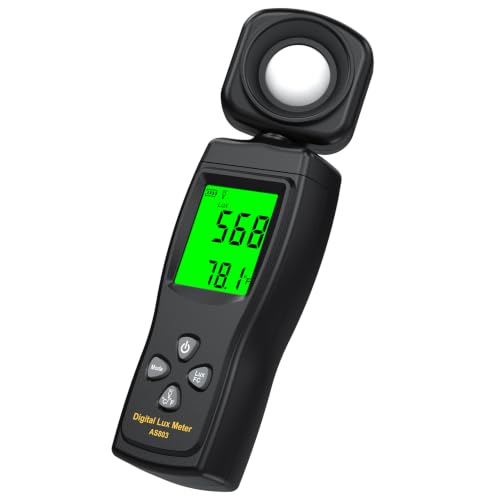
【Wide Range & Reliable Accuracy】Measure from 0 ~ 200,000 Lux with high accuracy ±4% +10. This professional foot candle light meter helps optimize light levels for plants, libraries, offices, and indoor spaces. With accurate light measurements, growers can ensure that plants receive appropriate photosynthesis light, optimize and adjust light conditions, and achieve a healthier growth environment
Recommendations for Optimal Growth
Lettuce thrives with specific light conditions. Focusing on both duration and intensity helps produce healthy, flavorful plants.
Recommended Products

FULL SPECTRUM & NATURAL LIGHT: A19 full spectrum grow light appears 4000K white to eyes but has a red/blue light spectrum. Same as natural sun shine, perfect for tomatoes, cucumbers, peppers, leafy greens and herbs at all growth stages.

6000K White Light - equipped with 10 Red + 74 White LEDs, this growing Lamp is similar to the full-spectrum sunlight at noon,that is professionally designed for indoor garden plants.Moreover, its color rendering index is as high as 95, the light is soft and flicker-free, which is very suitable for reading lamp

NOTE: The product stand needs to be pressed down by the flower pot to be stable. Not wireless style. 2 Installation Methods: Specially designed plant light for indoor plants, which can be inserted in the soil or stand for lighting.Unique and easy to assemble and disassemble.
Ideal Light Duration
Lettuce requires 12 to 16 hours of light each day. For indoor growers, using a timer simplifies maintaining this schedule. Start with 14 hours of light for optimal growth, adjusting based on the specific variety and growth stage. Observe your plants; if they appear leggy or pale, consider increasing their light duration.
Light Intensity Guidelines
Aim for a light intensity of 200 to 400 µmol/m²/s for healthy lettuce growth. Measure this using a light meter to ensure your plants receive enough light. If using fluorescent or LED grow lights, position them 6 to 12 inches above the plants. Adjust the distance based on your light intensity measurements; too much distance may decrease efficiency. Regularly monitor your plants, looking for signs of insufficient light, such as slow growth or yellowing leaves.
Conclusion
Getting the right amount of light is key to growing healthy and flavorful lettuce. By ensuring your plants receive 12 to 16 hours of light each day you’ll promote robust growth and vibrant colors. Keep an eye on light levels especially during those darker months and don’t hesitate to adjust your setup as needed.
Whether you’re using natural sunlight or artificial grow lights remember that consistency is important. With a little attention to detail your lettuce will thrive and reward you with delicious leaves ready for your next salad. Happy growing!
Frequently Asked Questions
How much light do lettuce plants need for optimal growth?
Lettuce plants typically require 12 to 16 hours of light daily for optimal growth. Inadequate light can lead to leggy growth and poor flavor.
What happens if lettuce doesn’t get enough light?
If lettuce does not receive enough light, it can become leggy and weak, resulting in lower quality leaves and diminished flavor.
What type of grow lights are best for indoor lettuce cultivation?
Fluorescent or LED grow lights are ideal for indoor lettuce cultivation. They should be placed 6 to 12 inches above the plants for effective light distribution.
How can I measure light intensity for my lettuce plants?
You can measure light intensity using light meters. Lettuce requires a light intensity of 200 to 400 µmol/m²/s for healthy growth.
Do different lettuce varieties have different light requirements?
Yes, different lettuce varieties have varying light needs. Leafy varieties generally require sustained light exposure for optimal health and growth.
Why is monitoring light levels important, especially in winter?
Monitoring light levels is crucial in winter due to shorter days. Ensuring adequate light helps maintain sturdy leaves and vibrant colors in lettuce plants.
How can I ensure consistent light exposure for my lettuce plants?
Using timers for your grow lights can help ensure that your lettuce plants receive consistent light exposure, promoting healthy growth.
Can adjusting light duration affect lettuce flavor?
Yes, adjusting light duration and intensity based on plant observations can enhance growth conditions, contributing to improved health and flavor in lettuce crops.
