

Ever wondered how much lettuce you should grow for yourself or your family? If you’ve tried gardening before, you know the struggle of planting too much or too little. It can be tricky to find that sweet spot where you have just enough fresh greens without overwhelming yourself with extra harvest.
Key Takeaways
- Lettuce Varieties Matter: Choose from leaf lettuce, head lettuce, or romaine based on your taste and growing space, as each variety comes with specific yield recommendations.
- General Planting Guidelines: Aim for 12-15 lettuce plants per person per season with 1 to 2 square feet of garden space allocated per individual to ensure a sufficient supply.
- Consumption Frequency: Adjust your planting quantity according to how often you use lettuce; increase amounts for daily consumption or maintain for a few times a week.
- Optimal Growing Conditions: Ensure that your lettuce thrives by maintaining soil quality, using appropriate watering practices, and providing suitable climate conditions.
- Effective Gardening Techniques: Implement succession planting and proper spacing to maximize yield and ensure a continuous supply of fresh lettuce throughout the growing season.
- Monitor for Pests: Regularly check for pests and utilize protective measures such as row covers or beneficial insects to safeguard your lettuce from damage.
Understanding Lettuce Varieties
Knowing the different types of lettuce helps you choose what to grow based on your preferences and space. Lettuce varieties offer unique flavors and textures, which directly influence how much you might want to cultivate.
Recommended Products

🥬 Heat-Tolerant Upright Romaine: Jericho Romaine Lettuce (Lactuca sativa) forms tall, sturdy heads with crisp ribs and tender, mildly sweet leaves. Known for its strong heat tolerance compared to many romaine varieties, it grows 18–24 inches tall and delivers reliable harvests in extended spring and early summer conditions.

Disease Resistant Salad Romaine : Parris Island Cos gardening seeds produce tall upright romaine lettuce head growth with crunchy midribs and juicy texture. Mosaic tolerant leaf lettuce seeds for planting outdoors thrive in USDA zones 3–9 with strong field performance.

Compact Mini Romaine - Grow Little Gem lettuce with crisp green leaves and tender pale hearts. Its upright heads reach about 6-8 inches tall, a useful size for containers, raised beds and individual salads.
Leaf Lettuce
Leaf lettuce features loose, tender leaves and grows quickly. It’s perfect for continuous harvesting. You can pick outer leaves while allowing the plant to mature. For a family of four, planting about 10-12 plants ensures you have a steady supply of fresh greens throughout the growing season.
Head Lettuce
Head lettuce, such as butterhead or iceberg, forms compact heads. It requires more time to mature compared to leaf varieties. Each head usually provides a larger yield per plant. For regular consumption, about 6-8 plants for a family of four works well, giving you enough for salads and sandwiches.
Romaine Lettuce
Romaine lettuce offers crisp, sturdy leaves ideal for salads and wraps. Its upright growth saves space and makes harvesting easier. You can expect around 4-6 plants per person for a continual supply. This variety stores well in the refrigerator, allowing you to enjoy it longer after harvest.
Factors Influencing Lettuce Yield
Understanding factors influencing lettuce yield is essential for optimal growth and harvest. Three key elements shape your lettuce production: climate conditions, soil quality, and growing techniques.
Climate Conditions
Climate directly affects lettuce growth. Lettuce thrives in cool conditions, ideally between 60°F and 65°F. Hot weather can cause bitterness and bolting. Aim for partial shade during summer months. For quick growth, consider starting seeds indoors or using row covers to protect young plants from frost.
Soil Quality
Soil quality plays a vital role in lettuce yield. Well-draining, rich soil encourages robust growth. Aim for a soil pH between 6.0 and 6.8. Adding organic matter like compost enhances nutrient availability. Test your soil to know its nutrient levels, and amend as needed for optimal growth conditions.
Growing Techniques
Employing effective growing techniques maximizes yield. Space plants appropriately to allow airflow and prevent disease. Utilize succession planting to ensure a continuous harvest. Implementing drip irrigation can conserve water and provide consistent moisture. Finally, mulch can regulate soil temperature and retain moisture, promoting healthier plants.
Recommended Lettuce Quantity
Growing the right amount of lettuce involves careful planning to ensure a sufficient supply without excess. Here are some guidelines to help you determine how much to grow.
Recommended Products

Beautiful - Large, premium packet of a blend of heirloom Lettuce seeds (Latuca sativa). This surprising mix of pretty and colorful lettuces will be a welcome addition to your garden in early spring and fall. Minimum of 600 mg per packet (about 650 seeds).
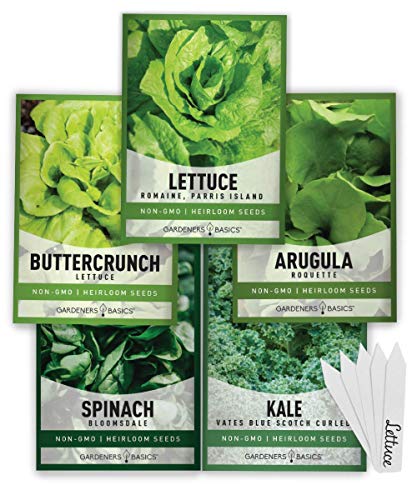
Five leafy greens varieties: Plant Parris Island romaine lettuce seeds, Buttercrunch lettuce seeds, Roquette arugula seeds, Vates Blue Scotch Curled kale seeds, and Bloomsdale spinach seeds. Includes 4,500+ seeds in five separate labeled packets.

4 Popular Heirloom Lettuce Varieties: Includes Red Romaine, Bibb Butterhead, Black Seeded Simpson, and Green Ice lettuce seeds to grow crisp, tender, and colorful salad greens with balanced flavor, texture, and visual appeal.
General Guidelines
You need approximately 1 to 2 square feet of garden space for each person. For a family of four, aim for 4 to 8 square feet. Consider growing 12 to 15 lettuce plants per person per season. Adjust this based on your family’s consumption. Leaf lettuce varieties typically provide a quicker harvest than head types, which take longer to mature.
Adjusting for Consumption Frequency
You should factor in how often you eat lettuce. If you consume lettuce daily, increase your planting amount. For those who use lettuce 2 to 3 times weekly, maintain the baseline amount. Integrate succession planting throughout different seasons to enjoy a continuous supply. This technique ensures you harvest fresh greens regularly without overwhelming your garden space.
Tips for Successful Lettuce Gardening
Successful lettuce gardening requires attention to detail and best practices. Here’s how to create an optimal environment for your lettuce plants.
Soil Preparation
Start with well-draining soil that retains moisture but doesn’t become soggy. Test the pH level; it should be between 6.0 and 7.0. Add organic matter, like compost, to enrich the soil with essential nutrients. This amendment boosts fertility and improves texture. Consider mixing in slow-release fertilizers to support vigorous growth. Prepare your garden beds or containers by loosening the soil to a depth of at least 12 inches.
Watering Practices
Water lettuce consistently to keep the soil moist but not waterlogged. Drip irrigation systems provide a steady supply, reducing the risk of fungal diseases. Water deeply, especially in hot weather, ensuring at least 1 inch per week. Adjust watering frequency based on weather conditions; cooler temperatures may require less moisture. Always water in the morning to prevent evaporation and allow leaves to dry before evening.
Pest Management
Monitor your lettuce for common pests like aphids and slugs. Use row covers to protect young plants from insects. Handpick slugs and snails in the evening when they are most active. Introduce beneficial insects, such as ladybugs, to maintain a natural balance. If problems escalate, consider organic pesticides, ensuring they target specific pests without harming beneficial insects. Regularly inspect plants for signs of distress to implement quick solutions.
Conclusion
Growing your own lettuce can be a rewarding experience that adds freshness to your meals. By understanding how much to plant based on your household size and preferences you can enjoy a steady supply of crisp greens.
Remember to consider the specific needs of your chosen lettuce varieties and adapt your gardening practices accordingly. With a little attention to detail and care you’ll be well on your way to a successful harvest.
So grab your seeds and get started on your lettuce journey. Happy gardening!
Frequently Asked Questions
What factors influence lettuce yield?
Lettuce yield is influenced by several factors, including climate, soil quality, and growing techniques. Warmer temperatures can speed growth, while cooler nights may enhance flavor. Additionally, well-draining soil with the right pH and proper watering practices are crucial for achieving optimal yields.
How much lettuce should I plant for a family of four?
For a family of four, it’s recommended to plant 10 to 15 lettuce plants for a steady supply. This amount should provide enough leaves for salads and meals throughout the growing season, given that lettuce can be harvested multiple times.
What tips are there for successful lettuce gardening?
Successful lettuce gardening involves preparing well-draining soil with appropriate pH levels, watering adequately—preferably with drip irrigation, and applying pest management strategies. Regular monitoring for pests and introducing beneficial insects can also help maintain healthy plants.
How should I water my lettuce plants?
Water your lettuce plants consistently, aiming for about 1 inch of water per week. Adjust the amount based on weather, using drip irrigation to minimize water waste and prevent over-saturation, which can lead to root rot.
What are effective pest management strategies for lettuce?
Effective pest management for lettuce includes regularly monitoring plants for signs of pests, employing crop rotation, and introducing beneficial insects such as ladybugs. Additionally, consider using organic pesticides as a last resort to protect your lettuce without harming beneficial insects.
