

Ever wondered how much water your lettuce really needs? You’re not alone. Many gardeners struggle with finding the right balance. Too little water and your lettuce wilts; too much and it can rot.
Key Takeaways
- Watering Balance: Achieving the right balance in watering is essential; too little leads to wilting, while too much causes root rot.
- Soil and Weather Considerations: Understand your soil type and current weather conditions to adjust your watering routine effectively.
- Signs of Underwatering vs. Overwatering: Recognize signs such as wilting for underwatering and yellowing leaves for overwatering to maintain optimal plant health.
- Optimal Watering Practices: Aim for 1 to 1.5 inches of water per week, utilizing methods like drip irrigation or soaker hoses for consistent moisture.
- Timing is Key: Water early in the morning or late afternoon to minimize evaporation and promote better absorption.
- Avoid Common Mistakes: Check soil moisture before watering to prevent both overwatering and underwatering, ensuring your lettuce thrives.
Understanding Lettuce Watering Needs
Watering lettuce requires attention to specific conditions. Proper hydration ensures crisp, healthy leaves while avoiding issues like wilting or root rot.
Factors Affecting Water Requirements
- Soil Type: Sandy soils drain quickly. Clay soils retain moisture longer. Adjust watering frequency based on your soil’s characteristics.
- Weather Conditions: Hot, sunny days increase water demand. Rainy weeks reduce the need for additional watering.
- Growth Stage: Young seedlings need more frequent watering. Mature plants require consistent moisture but don’t like soggy soil.
- Container vs. Ground: Container-grown lettuce dries out faster. Check pots daily, while ground-planted lettuce may need less frequent checks.
- Underwatering Signs:
- Leaves wilt and droop.
- Tips of leaves turn brown.
- Soil feels dry to the touch.
- Overwatering Signs:
- Leaves yellow and become mushy.
- Roots become waterlogged.
- Foul smell from the soil indicates decay.
Pay attention to these signs to maintain optimal moisture levels. Adjust your watering routine based on what you observe.
Best Practices for Watering Lettuce
Watering lettuce effectively ensures healthy growth and a bountiful harvest. Following specific techniques can enhance your lettuce plants’ well-being.
Recommended Products
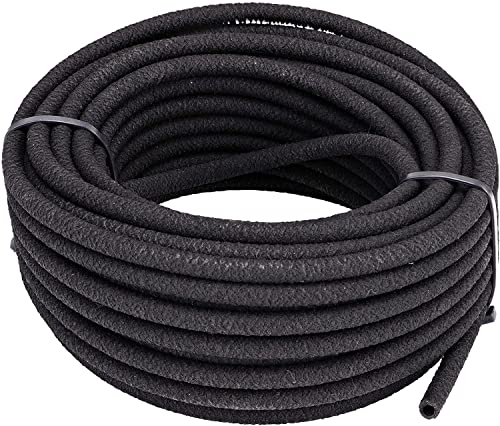
Slowly waters the soil around your plants for complete root zone hydration; Ideal for short runs on flat surfaces, such as vegetable gardens, borders, and around small plants

Save 80% Water: This flat soaker hose penetrates water through numerous tiny holes in a fine and even manner, directly delivering water to the roots of plants. This reduces evaporation and loss. Compared to traditional hoses, garden hose can save 80% water
Optimal Watering Techniques
Use drip irrigation or soaker hoses to deliver consistent moisture directly to the soil. Water at the base of the plant to minimize wetting the leaves, which can lead to diseases. Aim for approximately 1 to 1.5 inches of water per week, adjusting based on rainfall. Monitor soil moisture using a moisture meter or by checking the top inch of soil—if it feels dry, it’s time to water.
Timing and Frequency of Watering
Water lettuce in the early morning or late afternoon to reduce evaporation. For young seedlings, check moisture daily, watering as needed to keep soil consistently damp but not soggy. For mature plants, you might water every 2 to 4 days, depending on weather conditions and soil type. Always observe your plants; wilted leaves indicate they need water, while yellowing leaves may signal overwatering.
Tools and Techniques for Efficient Watering
Efficiently watering lettuce ensures optimal growth and health. Using the right tools and techniques can make a significant difference in managing moisture levels.
Recommended Tools for Watering Lettuce
- Watering Can: Ideal for small gardens or container gardening. A narrow spout allows for precise watering, targeting the soil directly.
- Soaker Hoses: These hoses release water slowly along their length. Benefits include efficient watering over a larger area while minimizing evaporation.
- Drip Irrigation Systems: Perfect for larger gardens. These systems deliver water directly to the roots, reducing waste and ensuring consistent moisture.
- Moisture Meter: This tool measures soil moisture levels. Knowing when to water becomes easier, helping avoid overwatering or underwatering.
- Drip Irrigation: This method provides a steady water supply directly to the root zone. It’s highly efficient and conserves water.
- Flood Irrigation: Suitable for fields, it involves flooding the area to saturate the soil. This technique requires careful management to prevent waterlogging.
- Sprinkler Systems: Useful for covering large areas. Set sprinkler heads to avoid wetting foliage, which helps prevent disease.
- Manual Watering: This hands-on approach allows you to assess each plant individually. Adjust the amount of water based on visual cues and soil condition.
Using these tools and methods enhances your ability to provide lettuce with the right amount of water for optimal growth.
Common Mistakes to Avoid
Understanding how to water lettuce properly is crucial for its growth. Avoiding common mistakes ensures your plants stay healthy and productive.
Recommended Products
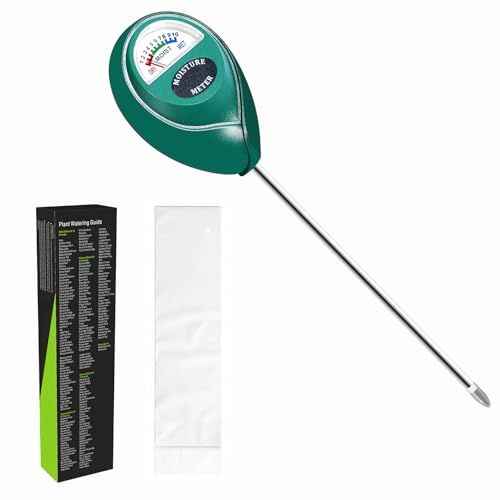
Trusted Since 2015: Become one of the many plant lovers who rely on the proven accuracy of XLUX. Established in 2015, our soil moisture meter has earned over 60,000+ verified ratings for its consistent performance. While many many newer brands come and go, we provide the long-term reliability and quality that American households have trusted for over a decade.

Accurate Soil Moisture Detection: The XLUX Soil Moisture Meter can tell you if the soil deep inside your pot or garden is dry, moist or wet; whereas your eyes and fingers can only determine the moisture level of the soil surface. The probe is 5.5 inches (14 cm) longer than regular styles, allowing it to measure the soil moisture at the bottom of larger and deeper flower pots.
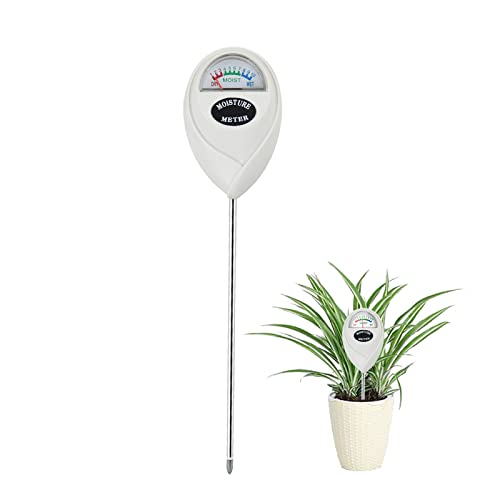
【SAVE YOUR PLANTS】: Over watering can cause problems with your plants or even kill them. This soil moisture meter helps you know the soil is dry, moist or wet.No more over watering!
Overwatering Issues
Overwatering can lead to root rot and other diseases. Check for soil moisture before watering. If the top inch feels wet, skip watering. Signs of overwatering include yellowing leaves and a mushy stem. Use well-draining soil to help excess water evaporate faster. Consider using raised beds or containers for better drainage.
Underwatering Challenges
Underwatering can stress your lettuce plants, causing wilting and poor growth. Monitor soil moisture frequently, especially in hot weather. Water until the soil is evenly moist but not soaked. If leaves appear crispy or dry, it’s a sure sign of underwatering. Use mulch to retain moisture and reduce evaporation on hot days.
Conclusion
Getting the watering right for your lettuce is key to growing a healthy crop. By paying attention to factors like soil moisture and weather conditions you can create the perfect environment for your plants. Remember to use the right tools and techniques to make the process easier and more efficient.
Avoid common pitfalls like overwatering and underwatering to keep your lettuce thriving. With a little practice and observation you’ll soon find the perfect balance that works for your garden. Happy gardening and enjoy the fresh, crisp lettuce you grow!
Frequently Asked Questions
What are the key factors influencing lettuce watering needs?
Several factors affect how much water lettuce plants need, including soil type, weather conditions, plant age, and growth stage. Ideally, lettuce prefers evenly moist soil, so these conditions can alter your watering schedule.
How can I tell if my lettuce plants are under or overwatered?
Signs of underwatering include wilted leaves and dry soil, while overwatered plants may have yellowing leaves and soggy soil. Regularly check the soil moisture to prevent these issues.
What are some best practices for watering lettuce?
Use drip irrigation or soaker hoses to deliver water directly to the roots. Monitor soil moisture consistently, and avoid wetting the leaves to prevent diseases.
How often should I water my lettuce?
Watering frequency depends on climate and soil conditions, but typically, lettuce needs about 1 to 1.5 inches of water per week. Adjust based on rainfall and temperature changes.
What tools can I use to ensure efficient watering of my lettuce?
Consider using a moisture meter for precision, along with watering cans, soaker hoses, and drip irrigation systems. These tools help maintain consistent soil moisture levels.
What are common mistakes to avoid when watering lettuce?
Avoid overwatering to prevent root rot and diseases, and don’t underwater, which can cause plant stress. Ensure well-draining soil and use raised beds or containers to enhance drainage.
How can I improve soil drainage for my lettuce plants?
Using well-draining soil and raised beds can significantly improve drainage. Adding organic matter like compost and using mulch can also help retain soil moisture while allowing excess water to escape effectively.
