

Ever wondered how long it takes for lettuce seeds to sprout? If you’ve tried growing your own greens, you know the anticipation can feel endless. Whether you’re a seasoned gardener or just starting out, knowing the growth timeline can help you plan your meals and manage your garden effectively.
Key Takeaways
- Lettuce seeds typically germinate within 7 to 14 days under optimal growing conditions, allowing for quick crop turnaround.
- Different types of lettuce, such as Romaine, Iceberg, Butterhead, and Leaf, each have unique growth requirements and flavors.
- To ensure healthy growth, focus on ideal conditions: well-draining soil, temperatures between 60°F and 70°F, a minimum of 6 to 8 hours of sunlight, and consistent moisture levels.
- Regularly monitor your garden during the germination process, as factors like soil quality, temperature, and moisture significantly affect sprouting speed.
- Understand the growth stages of lettuce, including the seedling and mature plant phases, to manage watering and harvesting effectively.
- Early lettuce varieties can be harvested in 45 to 55 days, while late varieties take 70 to 80 days, depending on the specific type and care provided.
Understanding Lettuce Seeds
Lettuce seeds germinate quickly, typically within 7 to 14 days. Knowing the types and ideal conditions for growth helps ensure a successful crop.
Types of Lettuce Seeds
Lettuce seeds come in various types, each with unique flavors and textures. Here are some common varieties:
- Romaine: Known for its crunchy texture and slightly sweet flavor. Romaine grows well in cooler temperatures.
- Iceberg: This classic head lettuce is crisp and refreshing. Iceberg prefers steady moisture and adequate sunlight.
- Butterhead: Soft and tender, butterhead has a mild taste. It thrives in well-drained soil with consistent watering.
- Leaf: Leaf lettuce, including red and green varieties, grows quickly and can be harvested multiple times. It tolerates slight shade and fluctuating temperatures.
Ideal Growing Conditions
To foster healthy growth, create ideal conditions for your lettuce seeds. Here are some key factors:
- Soil: Use well-draining soil rich in organic matter. Aim for a pH between 6.0 and 7.0 for optimal nutrient availability.
- Temperature: Lettuce prefers cooler temperatures, ideally between 60°F and 70°F. Too much heat can lead to bolting.
- Light: Provide a minimum of 6 to 8 hours of sunlight daily. Indirect light can work, but bright settings yield better results.
- Watering: Keep the soil evenly moist, but not soggy. Water at the base of the plants to avoid fungal issues.
By understanding the types of lettuce seeds and their ideal growing conditions, you set yourself up for a fruitful gardening experience.
Germination Process
Understanding the germination process helps you cultivate healthy lettuce. Lettuce seeds need specific conditions to sprout, typically within 7 to 14 days.
Recommended Products

PRECISE SOIL TEMPERATURE READINGS: Measures soil temperatures from 20 degrees F to 180 degrees F (0 degrees C to 80 degrees C) with a large, easy-to-read analog dial face - no batteries or digital screens needed for reliable results every time
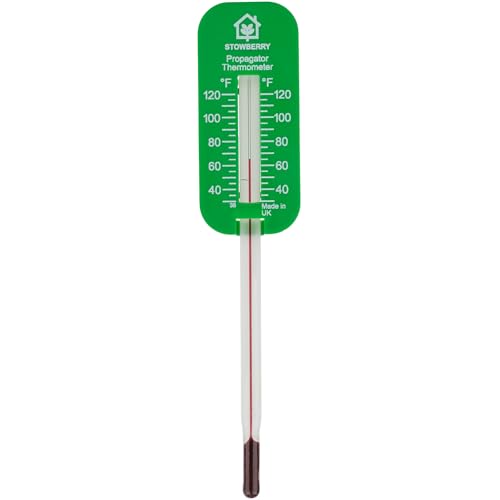
ACCURATE SOIL TEMPERATURE READINGS – Ensure the perfect growing environment for seeds and plants with this greenhouse soil thermometer, designed to give reliable and precise temperature measurements.

Easy-to-read green, yellow, and red tick marks for easy monitoring
Germination Timeframe
Lettuce seeds germinate rapidly compared to other crops. In optimal conditions, expect sprouting in about 7 days. In cooler or less ideal environments, this can extend to 14 days. Regularly check your garden; this increases your chances of noticing early growth signs.
Factors Affecting Germination
Several factors influence how quickly lettuce seeds germinate:
- Soil Quality: Use well-draining soil rich in organic matter. Poor soil often leads to slower germination.
- Temperature: Maintain soil temperatures between 60°F and 70°F. Too cold or too hot can delay sprouting.
- Moisture Levels: Keep the soil consistently moist but not soggy. Dry soil can halt germination altogether.
- Light Exposure: While lettuce seeds don’t require light to germinate, adequate sunlight after sprouting fosters healthy growth.
- Seed Variety: Different types of lettuce may have varied germination rates. For example, Romaine and Butterhead seeds may perform differently under the same conditions.
By focusing on these factors, you enhance the likelihood of quick and successful germination.
Growth Stages of Lettuce
Understanding the growth stages of lettuce helps you manage your gardening efforts effectively. Lettuce goes through several key stages, from seedling to mature plant.
Recommended Products

CONTAINS: This organic Seed Stating soil mix is a rich blend of sphagnum peat moss & perlite with yucca extract and lime to ensure correct pH.

Full Spectrum Grow Lights for Plants: The seed start grow lights is equipped with 108 led just like natural sunlight. This full spectrum led grow light for indoor plants provide better support for all growing indoor plants from seedling, germination to flowering and fruiting stages

2025 NEW UPGRADED FULL SPECTRUM PLANT LIGHT: The seed starter trays currently available in the market only come with 1 color light effect. Our newly upgraded seed starter trays feature 3 different color light effects: ① Warm White-Blue-Red, ②Warm White ③Blue-Red. This diverse range of color light effects is designed to cater to the different growth stages of plants. Each seed starter tray has 12 LED grow lights.
Seedling Stage
The seedling stage occurs 1 to 3 weeks after germination. During this time, lettuce develops its first true leaves, known as cotyledons. These leaves are crucial for absorbing sunlight and initiating photosynthesis.
- Monitor moisture levels closely. Keep the soil consistently moist but not waterlogged.
- Provide adequate light. A minimum of 12 to 14 hours of light daily boosts growth.
- Thin seedlings. Space them 4 to 6 inches apart to prevent overcrowding, which can hinder growth.
Mature Plant Stage
The mature plant stage happens 6 to 8 weeks after planting. At this point, lettuce reaches its full size and is ready for harvest.
- Harvest regularly. Pick outer leaves when they reach 4 to 6 inches long. This encourages new growth.
- Keep pests at bay. Inspect the leaves for aphids or slugs. Use organic pesticides if needed.
- Watch for bolting. As temperatures rise, lettuce may bolt, leading to a bitter taste. Harvest before this happens.
By staying attentive to these growth stages, you can ensure a successful lettuce crop and enjoy fresh greens right from your garden.
Timeframe for Harvesting Lettuce
Understanding when to harvest lettuce helps ensure your crops thrive. The timeframe depends on the type of lettuce and the growing conditions.
Recommended Products
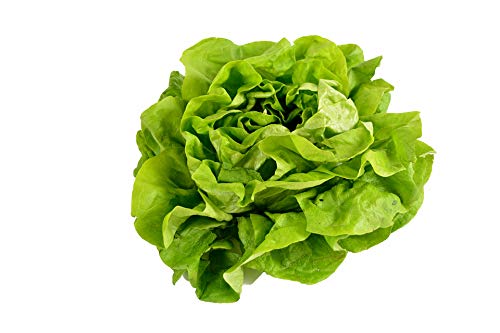
This lettuce is well known for its sweet flavor. Best if harvested in the morning.

🥬 Classic French Butterhead Lettuce: Marvel of Four Seasons is a traditional French butterhead variety known for forming beautiful, firm round heads with tender buttery leaves and attractive bronze-tinged color. The compact plants grow quickly and produce crisp, mild greens that are perfect for fresh salads and garden meals. Gardeners appreciate this variety for its dependable head formation and attractive appearance in garden beds.

Award-Winning Butterhead Variety: Bibb lettuce produce tender, crunchy lettuce heads with rich green leaves. Salad lettuce heirloom seeds are slow to bolt and heat tolerant in USDA zones 2–10. These vegetables seeds perform well in spring and fall.
Early Varieties
Early lettuce varieties, such as Butterhead and Looseleaf, typically mature within 45 to 55 days. These seeds germinate quickly and grow rapidly, making them ideal for gardeners looking for a fast yield. Practices include consistent watering and ensuring adequate light, as these factors encourage quick development. For example, if you plant Butterhead seeds on March 1, expect to start harvesting by mid-April.
Late Varieties
Late lettuce varieties, like Romaine and Iceberg, generally take longer, maturing in about 70 to 80 days. These varieties benefit from longer growing periods, which can enhance flavor and size. Proper care, including regular pest control and monitoring moisture levels, is crucial for success. If you plant Romaine seeds on April 1, anticipate harvesting by mid-June.
By knowing your variety’s specific timeframe and caring for your plants correctly, you maximize your chances of enjoying fresh lettuce right from your garden.
Conclusion
Growing your own lettuce can be a rewarding experience. With just a little patience you can enjoy fresh greens right from your garden. By understanding the growth timeline and the specific needs of different lettuce varieties you can maximize your yield and ensure a successful harvest.
Remember to keep an eye on the conditions in your garden. Optimal soil moisture light exposure and temperature will make all the difference in how quickly your seeds sprout. Whether you’re a seasoned gardener or just starting out you’ll find that tending to your lettuce is both enjoyable and fulfilling. So get started and watch your garden flourish!
Frequently Asked Questions
How long does it take for lettuce seeds to germinate?
Lettuce seeds typically germinate within 7 to 14 days. Under optimal conditions, you can expect sprouts to appear in about 7 days.
What are the best conditions for growing lettuce?
Lettuce thrives in well-draining soil that’s rich in organic matter, with temperatures between 60°F and 70°F. Adequate sunlight, consistent watering, and proper spacing are also crucial for healthy growth.
What types of lettuce are there?
Common types of lettuce include Romaine, Iceberg, Butterhead, and Leaf. Each type has unique flavors and specific growing conditions suited for optimal cultivation.
When is the best time to harvest lettuce?
The harvest time varies by type: early varieties like Butterhead and Looseleaf mature in 45 to 55 days, while late varieties like Romaine and Iceberg take about 70 to 80 days to be ready for harvest.
What factors affect lettuce germination?
Key factors include soil quality, temperature, moisture levels, light exposure, and the specific seed variety. Paying attention to these elements can enhance the chances of successful and quick germination.
How can I manage pests when growing lettuce?
Regular monitoring for pests is important. Use organic pest control methods, like insecticidal soap or neem oil, and encourage beneficial insects to help manage pest populations effectively.
What does the seedling stage of lettuce involve?
The seedling stage occurs 1 to 3 weeks after germination when lettuce develops its first true leaves. Maintaining consistent moisture, adequate light, and proper spacing is essential to prevent overcrowding.
How should I harvest lettuce for the best yield?
Regularly harvest the outer leaves to encourage continued growth. Additionally, monitor for signs of bolting and ensure proper care to maximize the yield of your homegrown lettuce.
