

Have you ever thought about growing your own organic lettuce but weren’t sure where to start? You’re not alone. Many people want fresh greens at their fingertips but feel overwhelmed by the process.
Key Takeaways
- Types of Organic Lettuce: Familiarize yourself with varieties like Romaine, Butterhead, Leaf, and Iceberg, each offering unique flavors and uses.
- Health Benefits: Organic lettuce is nutrient-rich, hydrating, low in calories, and high in antioxidants, supporting overall health.
- Growing Conditions: Select a sunny location with well-draining, fertile soil with a pH level between 6.0 and 7.0 for optimal growth.
- Planting Techniques: Use quality organic seeds, sow them appropriately, and water consistently to ensure successful germination and growth.
- Care Essentials: Maintain regular watering and monitor for pests and diseases to promote thriving lettuce plants.
- Harvesting and Storage: Harvest at the right size and store properly to maximize freshness and flavor, enabling extended enjoyment of your homegrown lettuce.
Understanding Organic Lettuce
Understanding the fundamentals of organic lettuce helps you cultivate a successful garden. This section covers types of organic lettuce and its health benefits.
Types of Organic Lettuce
Organic lettuce varies in types, each with unique flavors and textures. Common varieties include:
- Romaine Lettuce: Crisp leaves suit salads, wraps, or sandwiches.
- Butterhead Lettuce: Soft, buttery texture works well for salads and garnishes.
- Leaf Lettuce: Loose leaves provide versatility in salads or as toppings.
- Iceberg Lettuce: Crunchy and refreshing, ideal for burgers and salads.
Select a variety based on your taste preferences and intended culinary uses.
Health Benefits of Organic Lettuce
Organic lettuce offers numerous health benefits. Key advantages include:
- Rich in Nutrients: Lettuce contains vitamins A, C, and K, alongside essential minerals like potassium and folate.
- Hydration: With a high water content (about 95%), lettuce helps maintain hydration.
- Low in Calories: Lettuce provides a low-calorie option for meals, aiding in weight management.
- High in Antioxidants: Compounds in organic lettuce combat oxidative stress and support overall health.
Incorporating organic lettuce into your meals promotes a balanced diet.
Preparing to Grow Organic Lettuce
Getting ready to grow organic lettuce involves several key steps. You’ll want to establish the right location and prepare the soil properly for optimal growth.
Recommended Products

KNOW BEFORE YOU GROW | Grow the healthiest, sustainable lawn and garden with the most accurate and easy to use professional soil test kit on the market

Accurate Soil pH Testing: Dewildetradingco Soil pH Test Strips offer measurements of soil pH levels (pH 3.5-9). As an essential tool for every gardener and grower, these test strips help determine the optimal pH for various plants, such as outdoor plants, indoor plants, gardens, grass lawns, fruit trees, flowers, vegetables, and forest shrubs.

Kindly NOTE: This soil tester can not be applied to test pH value of any other liquid. If the soil is too dry the indicator will not move, and water it before testing.
Choosing the Right Location
Select a spot with full sunlight. Organic lettuce thrives in areas that receive at least 6 to 8 hours of sunlight daily. Ensure the location has good air circulation to prevent disease. Consider accessibility for watering and harvesting as well. If you’re in a warmer climate, partial shade during the hottest part of the day can help keep plants cool.
Soil Requirements
Use well-draining, fertile soil for planting. Organic lettuce prefers a pH level between 6.0 and 7.0. Conduct a soil test to determine nutrient levels. Enrich the soil with compost or well-rotted manure to enhance fertility. Aim for a loose texture that allows roots to develop easily. Incorporate organic matter to improve moisture retention while maintaining drainage. Add mulch around plants to conserve soil moisture and suppress weeds.
Planting Organic Lettuce
Growing organic lettuce starts with the right planting techniques. Timing and method play crucial roles in your lettuce’s success.
Seed Selection
Choose organic seeds from reputable suppliers. Consider varieties such as Romaine, Butterhead, or Leaf lettuce for diverse flavors. Read the seed packet for specific information about growth habits and ideal growing conditions. Heirloom varieties can provide unique tastes and textures. Keep in mind that fresher seeds often yield better results.
Sowing Techniques
Sow seeds in well-draining soil to prevent rot. Space seeds about 1 inch apart in rows that are 12 inches apart. Use a garden rake to create shallow furrows about ¼ inch deep. Lightly cover the seeds with soil and gently pat down. Water the area immediately after sowing to settle the soil. Keep the soil consistently moist until the seeds germinate, which typically takes 7 to 14 days. For an extended harvest, consider staggered sowing every few weeks.
Caring for Organic Lettuce
Caring for organic lettuce involves key practices that promote healthy growth. Focus on proper watering, pest management, and overall maintenance for a thriving harvest.
Recommended Products


Green Low-Calorie Delights: inbloom hydroponic salad herb seed pod kit includes American fast lettuce, butter lettuce, red cherry tomato, and golden cherry tomato. More seeds, more combinations. Growing your own low-calorie food allowing you to enjoy salads bursting with flavor
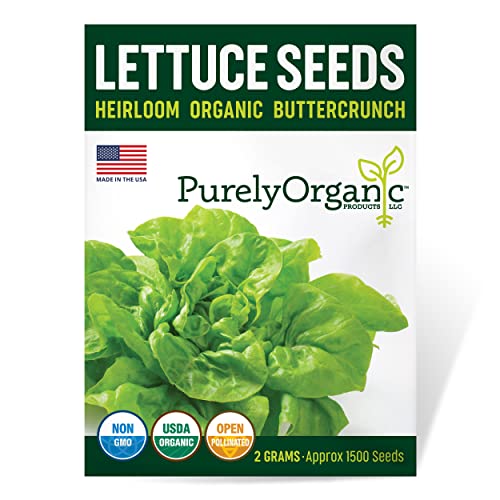
Lactuca Sativa: These finest quality, non-GMO, USDA Organic Buttercrunch Lettuce seeds produce vibrant, green heads of lettuce with mild, sweet, buttery flavored leaves. They’re the most popular of the Butterhead varieties.
Watering Guidelines
Water organic lettuce consistently to maintain soil moisture. Aim for 1 to 1.5 inches of water weekly, either from rainfall or irrigation. Water in the morning to reduce evaporation and allow leaves to dry before evening, minimizing disease risk. Use soaker hoses or drip irrigation for efficiency, ensuring water reaches the roots without wetting the foliage. If the soil feels dry an inch below the surface, it’s time to water. Adjust based on weather; hot temperatures may require more frequent watering.
Pest and Disease Management
Monitor your organic lettuce for common pests like aphids, slugs, and caterpillars. Use row covers to protect seedlings and deter insects. Implement companion planting; for instance, plant marigolds nearby to repel harmful pests. Apply organic insecticidal soap if pests appear, ensuring you follow the label for safe use.
Keep an eye out for diseases like downy mildew and leaf spot. Maintain good air circulation by spacing plants adequately and avoiding overhead watering. Remove any infected leaves promptly to prevent spread. Regularly inspect plants, especially before harvest, to catch issues early.
Harvesting and Storing Organic Lettuce
Harvesting and storing organic lettuce involves careful timing and proper techniques. When done right, you maximize freshness and flavor while minimizing waste.
Recommended Products

PRESERVE FRESHNESS: Our Salad Bag is a kitchen essential that helps keep greens and produce fresher longer. It’s large enough to hold whole lettuce or veggies and keep them crisp for two up to weeks in the fridge

NATURAL, BREATHABLE, ORGANIC FABRIC keeps fruits and vegetables fresh longer than plastic; bags slow produce decay by allowing ethylene gas to escape while storing food in the refrigerator and pantry

HIC Kitchen’s Salad Sac Storage Bag absorbs moisture and extends the freshness of lettuce and salad longer
When to Harvest
Harvest organic lettuce when leaves reach a desired size, usually between 6 to 12 inches tall. Check for maturity depending on the variety; for instance, leaf lettuce can be harvested sooner than head lettuce. Observe the color and texture of the leaves. Crisp leaves indicate optimal readiness.
To harvest, use a sharp knife or scissors. Cut the outer leaves first, leaving the inner leaves to continue growing. For a full head, cut close to the base, taking care not to damage the plant’s core. If you maintain good growing conditions, you can enjoy multiple harvests from the same plant throughout the season.
Best Practices for Storage
Store organic lettuce properly to maintain freshness. After harvesting, rinse the leaves gently under cold water to remove dirt and insects. Pat them dry using a salad spinner or paper towels.
Wrap the clean leaves in a damp paper towel and place them inside a perforated plastic bag. This method maintains humidity while allowing airflow, keeping the lettuce crisp for up to a week.
For longer storage, consider freezing. Blanche chopped lettuce in boiling water for 1-2 minutes, then cool it in ice water. Drain, package, and freeze. Use frozen lettuce within 6-12 months for best quality.
By following these simple practices, you can enjoy your organic lettuce fresh from your garden for days or even months.
Conclusion
Growing organic lettuce can be a rewarding experience that brings fresh flavors to your meals. By paying attention to planting times and caring for your plants, you’ll set yourself up for success. Remember to harvest at the right moment to enjoy the best taste and texture.
With a few simple storage tricks, you can keep your lettuce fresh for longer. Whether you’re enjoying it in salads or as a crunchy addition to sandwiches, your homegrown lettuce will surely impress. So grab those seeds and get started on your organic gardening journey today!
Frequently Asked Questions
What is the best time to plant organic lettuce?
Plant organic lettuce in early spring or late summer for optimal growth. Lettuce thrives in cooler temperatures, ideally between 60°F to 70°F.
How do I choose the right lettuce seeds?
Select seeds based on your climate and desired variety. Popular choices include Butterhead, Romaine, and Leaf lettuce. Always look for organic certification for quality.
What are the best watering practices for organic lettuce?
Water organic lettuce consistently, keeping the soil moist but not soggy. Aim for about 1 inch of water per week, adjusting for rainy conditions.
How can I manage pests on organic lettuce?
Use natural pest control methods like neem oil or insecticidal soap. Attract beneficial insects, such as ladybugs, to help control harmful pests.
When should I harvest organic lettuce?
Harvest lettuce when it reaches the desired size, usually before it bolts. For leaf varieties, cut the outer leaves while allowing the inner ones to continue growing.
What are the best techniques for storing lettuce?
Store harvested lettuce in a damp paper towel inside a perforated plastic bag. This helps maintain moisture and freshness for up to a week.
Can I freeze organic lettuce?
Yes, you can freeze organic lettuce, but it’s best for cooking purposes. Blanch leaves briefly, cool them, and then store in airtight containers or freezer bags.
