

Have you ever wondered how long it takes for that crisp, fresh lettuce to go from seed to salad? If you’re thinking about starting your own garden or just curious about the growing process, you’re in the right place. Growing lettuce can be a rewarding experience, but knowing the timeline is key to enjoying a bountiful harvest.
Key Takeaways
- Lettuce growth progresses through distinct stages: germination (7-12 days), seedling (2-3 weeks), and mature plant (30-80 days depending on variety).
- Different lettuce varieties have specific maturity timelines, with leaf lettuce maturing in 30-45 days, while iceberg may take up to 75-80 days.
- Optimal growth conditions include temperatures between 60°F and 70°F, at least 12 hours of light daily, and consistently moist, nutrient-rich soil.
- Environmental factors like temperature, light, and soil quality significantly influence lettuce growth rates and overall health.
- Thinning seedlings after germination and monitoring moisture levels are essential practices for promoting robust lettuce development.
- Regular harvesting when lettuce reaches the appropriate size ensures the best flavor and freshness for your salads.
Understanding Lettuce Growth Cycle
Lettuce grows through distinct stages: germination, seedling, and mature plant. Each stage has specific timeframes, impacting overall growth.
Germination Stage
Germination occurs within 7 to 12 days. Conditions like moisture, temperature, and light play crucial roles. Ensure soil remains consistently moist.
Seedling Stage
Once germinated, seedlings develop within 2 to 3 weeks. During this time, provide adequate light and maintain even moisture. Fertilizing with a balanced mix can promote healthy growth.
Mature Plant Stage
Lettuce matures in roughly 30 to 70 days, depending on the variety. Leafy types, like leaf lettuce, mature faster, while head types, like romaine, take longer. Monitor for leaf size and color; this indicates readiness for harvest.
Varieties and Growth Times
| Lettuce Variety | Days to Maturity |
|---|---|
| Leaf Lettuce | 30-45 days |
| Romaine Lettuce | 60-70 days |
| Butterhead Lettuce | 50-60 days |
| Iceberg Lettuce | 75-80 days |
- Temperature: Ideal growth occurs between 60°F and 70°F.
- Light: Lettuce needs at least 12 hours of light daily.
- Watering: Regular, consistent watering prevents stress.
Understanding these stages and factors aids in planning your lettuce garden effectively, ensuring you enjoy fresh salads sooner.
Factors Affecting Growth Time
Numerous factors influence how quickly lettuce grows. Understanding these will enhance your gardening success.
Type of Lettuce
Different types of lettuce mature at varying rates. For instance, leaf lettuce, such as Butterhead, usually takes around 30 to 45 days to harvest. Romaine typically requires 60 to 70 days, while Iceberg may need 70 to 80 days. Research the specific variety you’re planting to set proper expectations.
Environmental Conditions
Environmental elements significantly impact growth. Lettuce thrives in cooler temperatures, ideally between 60°F and 70°F. When temperatures exceed 75°F, growth slows, and plants may bolt. Providing the right amount of sunlight, around 12 hours a day, ensures strong growth. Too much shade can hinder development, leading to weaker plants.
Soil Quality
Soil quality plays a crucial role in growth time. Lettuce flourishes in well-draining, nutrient-rich soil with a pH between 6.0 and 7.0. Incorporating organic matter, such as compost, enhances soil fertility and drainage. Regularly checking moisture levels is also important; lettuce prefers consistently moist soil without waterlogging.
Different Stages of Lettuce Growth
Lettuce growth involves several key stages, each with its own timeline and requirements. Understanding these stages helps you nurture your plants effectively.
Recommended Products

COMPLETE VARIETY PACK: Ten popular lettuce and leafy green varieties; Romaine lettuce seeds, Buttercrunch, Iceberg, Bibb, Red Oakleaf, Prizehead, Kale, Spinach and more; Perfect for organic salad gardens; High 95% germination rate

USDA Certified Organic by Oregon Tilth
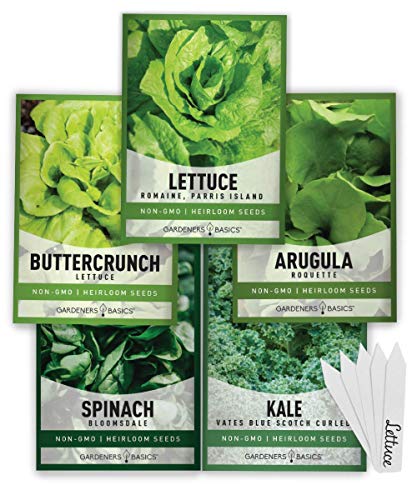
Five leafy greens varieties: Plant Parris Island romaine lettuce seeds, Buttercrunch lettuce seeds, Roquette arugula seeds, Vates Blue Scotch Curled kale seeds, and Bloomsdale spinach seeds. Includes 4,500+ seeds in five separate labeled packets.
Germination
Germination occurs when lettuce seeds sprout. This stage typically lasts 7 to 12 days, depending on conditions. Ensure you provide consistent moisture and warmth to aid germination. Ideal soil temperature ranges from 65°F to 75°F. Check seeds regularly; once they sprout, thin them if they overcrowd.
Seedling Stage
The seedling stage follows germination and lasts around 2 to 3 weeks. During this period, seedlings grow their first true leaves. Focus on offering 12 to 16 hours of light daily for healthy growth. Keep the soil moist but not soggy. If seedlings appear leggy, consider increasing light exposure to encourage sturdier growth.
Harvesting
Harvesting usually occurs 30 to 70 days after planting, depending on lettuce type. For loose-leaf varieties, you can start harvesting once the leaves reach 4 to 6 inches long. For head types, wait until a firm head forms, typically around 70 days. Use a sharp knife to cut the lettuce at the base. Avoid harvesting late in the day to ensure freshness.
General Timeline for Lettuce Growth
Lettuce growth encompasses several stages, each with specific timelines based on variety and environmental conditions. Understanding these timelines helps you manage your gardening expectations.
Quick-Growing Varieties
Quick-growing lettuce varieties typically take around 30 to 45 days from planting to harvest. Varieties like Butterhead and Looseleaf mature faster, often sprouting in 7 to 12 days. You can sow these seeds spaced close together to maximize yield in small areas, allowing for multiple harvests in one season. Harvest your quick-growing lettuce when the leaves are tender and vibrant.
Slow-Growing Varieties
Slow-growing varieties, such as Romaine and Crisphead, generally require 60 to 70 days to reach maturity. Germination stays around 7 to 14 days. These types usually benefit from a longer growing season, allowing leaves to develop a robust flavor. While waiting, ensure consistent moisture and adequate sunlight to support their growth. Harvest these varieties when heads feel firm but not overly hard.
Conclusion
Growing lettuce can be a rewarding experience when you understand its growth timeline. By paying attention to the different stages from germination to maturity you can ensure a bountiful harvest. Remember to consider the variety you’re planting since some types grow quicker than others.
With the right care like consistent moisture and proper light you’re on your way to enjoying fresh lettuce right from your garden. Whether you’re a seasoned gardener or just starting out you’ll find that patience and observation are key to growing healthy lettuce. Happy gardening!
Frequently Asked Questions
How long does it take for lettuce to germinate?
Germination for lettuce seeds typically takes between 7 to 12 days, depending on conditions like temperature and moisture.
What factors affect the growth of lettuce?
Key factors that affect lettuce growth include temperature, light intensity, and consistent moisture. Proper care in these areas is essential for healthy plants.
When are lettuce seedlings ready for transplanting?
Lettuce seedlings generally mature in 2 to 3 weeks. They can be transplanted once they have developed a few true leaves and are robust enough to handle external conditions.
How quickly can I harvest lettuce?
Mature lettuce can be harvested in 30 to 70 days, depending on the variety. Fast-growing types like Butterhead mature in 30 to 45 days, while Romaine takes 60 to 70 days.
What is the ideal environment for lettuce growth?
Lettuce thrives in cool temperatures with plenty of sunlight and consistent moisture. Ensure they receive adequate light, especially during the seedling stage, for optimal growth.
