

Ever wondered how long it takes for lettuce to go from seed to salad? If you’re planning to grow your own greens, knowing the growth timeline can make all the difference. Imagine stepping into your garden and picking fresh lettuce for a crisp salad—it’s a satisfying experience that starts with understanding the process.
Key Takeaways
- Lettuce Growth Stages: Lettuce goes through three key phases: germination (7-14 days), seedling (2-4 weeks), and maturity (30-80 days depending on the variety).
- Impact of Temperature: Ideal soil temperature for lettuce germination is between 60°F to 70°F. Excessive heat can cause bolting, while cold temperatures can stunt growth.
- Light Requirements: Lettuce thrives on 12 to 16 hours of sunlight daily. Insufficient light leads to weak plants, making artificial lighting necessary in shaded areas or indoors.
- Watering Practices: Maintain consistent soil moisture while allowing it to dry slightly between watering. Over or underwatering can harm lettuce health.
- Variety Maturation Times: Leaf lettuce matures quickly (30-45 days), while Romaine takes longer (60-75 days). Understanding these differences aids in effective garden planning.
- Harvesting Tips: Regularly monitor your lettuce and harvest when leaves are tender. Leafy varieties benefit from harvesting outer leaves to promote continuous growth.
Understanding Lettuce Growth Stages
Understanding lettuce growth stages helps you anticipate the timeline from seed to harvest. Lettuce goes through three main phases: germination, seedling, and maturity.
Germination Phase
Germination takes about 7 to 14 days under optimal conditions. You need to keep the soil moist but not waterlogged. Seeds require a temperature of 65°F to 70°F for best results. After this phase, you’ll see small sprouts emerging.
Seedling Phase
The seedling phase lasts 2 to 4 weeks. During this time, seedlings develop their first true leaves. Provide enough light to ensure healthy growth. Thin seedlings to about 4 inches apart to allow for proper air circulation and nutrient access.
Maturity Phase
Maturity occurs roughly 30 to 80 days after planting, depending on the variety. Leafy types tend to mature faster than head varieties. Monitor your plants and harvest when leaves are tender and vibrant. Regularly checking for pests ensures healthy lettuce before harvest.
Factors Affecting Lettuce Growth
Lettuce growth depends on several key factors. Understanding these elements helps optimize your gardening efforts for healthy produce.
Recommended Products

6000K White Light - equipped with 10 Red + 74 White LEDs, this growing Lamp is similar to the full-spectrum sunlight at noon,that is professionally designed for indoor garden plants.Moreover, its color rendering index is as high as 95, the light is soft and flicker-free, which is very suitable for reading lamp

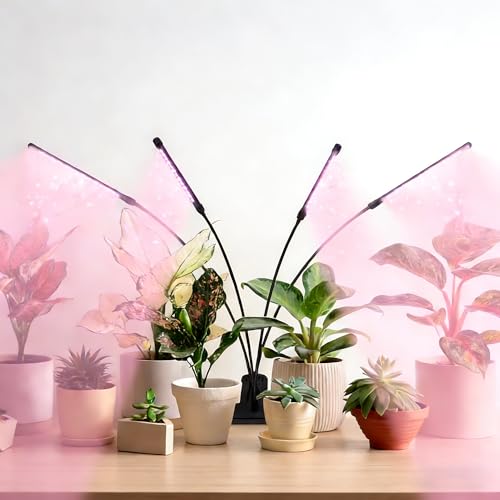
Full Spectrum LED Technology: Equipped with 80 red and blue LED beads across 4 heads, delivering full-spectrum illumination that simulates natural midday sunlight, covering the entire 460-660nm visible spectrum essential for plant photosynthesis. Enhanced 660nm red light promotes flowering, fruiting, and extended bloom periods, while blue light boosts chlorophyll synthesis to support robust vegetative growth
Temperature
Temperature significantly impacts lettuce growth. Ideal soil temperature ranges from 60°F to 70°F. At this range, seeds germinate effectively within 7 to 14 days. If temperatures exceed 75°F, growth may slow, and plants risk bolting. Conversely, cold temperatures under 40°F can stunt development. Monitor your garden’s conditions to maintain optimal warmth.
Light Requirements
Light plays a crucial role in the growth of lettuce. Lettuce thrives with 12 to 16 hours of sunlight daily. If planting indoors or in shaded areas, supplement with grow lights to ensure adequate exposure. Insufficient light leads to leggy plants that struggle to produce vibrant leaves. Adjust positioning or introduce artificial light sources as needed to cultivate strong, healthy lettuce.
Watering Practices
Watering practices affect lettuce health and growth rate. Aim for consistent moisture in the soil, ideally allowing it to dry slightly between watering sessions. Overwatering can lead to root rot, while underwatering may cause wilting. Use drip irrigation or soaker hoses to deliver water directly to the roots. Regularly check soil moisture to adapt your watering schedule to current environmental conditions.
Different Types of Lettuce
Understanding the types of lettuce helps you choose the right variety for your garden. Each type has unique growth characteristics and flavor profiles.
Recommended Products
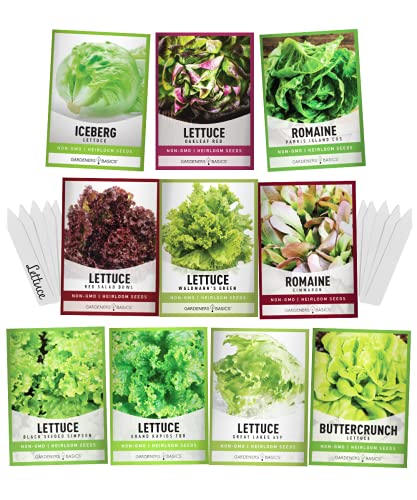
Ten salad greens varieties: Grow Black Seeded Simpson, Buttercrunch, Cimmaron, Grand Rapids, Great Lakes, Iceberg, Red Oakleaf, Parris Island Romaine, Red Salad Bowl, and Waldmann's Green. Each heirloom lettuce variety is packed separately.
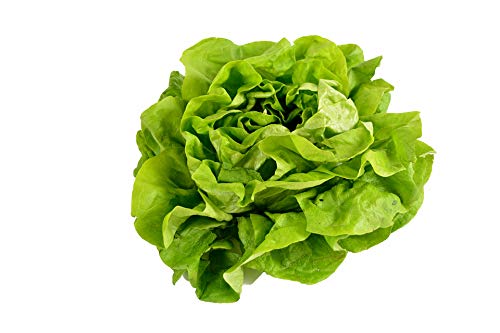
This lettuce is well known for its sweet flavor. Best if harvested in the morning.

Compact Mini Romaine - Grow Little Gem lettuce with crisp green leaves and tender pale hearts. Its upright heads reach about 6-8 inches tall, a useful size for containers, raised beds and individual salads.
Leaf Lettuce
Leaf lettuce grows quickly, typically maturing in about 30 to 45 days from seed. Varieties like Buttercrunch and Red Romaine produce tender, flavorful leaves. These plants thrive in cooler weather, making them ideal for spring and fall gardens. Regular harvesting encourages new growth, so pick outer leaves while allowing the center to develop. This practice extends your harvest and keeps the plant productive.
Romaine Lettuce
Romaine lettuce, known for its crisp texture, usually takes 60 to 75 days to reach maturity. Popular varieties include Paris Island and Little Gem. Romaine prefers full sun and well-drained soil. Plant seeds about 1/4 inch deep in rows spaced 12 inches apart. Thin seedlings to about 6 inches once they develop their first true leaves. Consistent watering is crucial, as romaine can be sensitive to drought.
Butterhead Lettuce
Butterhead lettuce, recognized for its soft, buttery leaves, matures in 55 to 70 days. Varieties like Boston and Bibb are especially popular. They’re well-suited for home gardens, preferring cool temperatures and consistent moisture. Space plants 8 to 12 inches apart to allow for their wide, loose heads. Harvest by gently pulling the entire head when it’s firm but not overripe. This variety programs robust flavor in salads, making it a favorite among gardeners.
Typical Growth Duration
Understanding the growth timeline of lettuce helps you plan your garden effectively. The entire journey from seed to harvest spans several weeks, varying by type and conditions.
Time to Germination
Germination typically takes about 7 to 14 days. You should maintain moist soil and temperatures between 65°F to 70°F. Monitor your seeds closely; if conditions are unfavorable, germination may slow or become uneven.
Time to Harvest
The time to harvest varies significantly. Leaf lettuce matures in about 30 to 45 days, making it one of the quickest options. Romaine lettuce requires 60 to 75 days, while Butterhead typically takes 55 to 70 days. Harvest when leaves are tender and vibrant for optimal flavor and texture.
Varietal Differences
Varietal differences play a crucial role in growth duration. Leafy varieties mature faster than head varieties. For example, if you choose Butterhead or leaf lettuce, expect a quicker payoff. However, selecting a head type like Romaine may yield a larger harvest but takes longer to mature. Knowing these differences helps you select the type that best fits your garden schedule.
Conclusion
Growing your own lettuce can be a rewarding experience that adds freshness to your meals. By understanding the growth timeline and the specific needs of different lettuce varieties you can better plan your gardening efforts.
Whether you’re opting for quick-maturing leaf lettuce or the heartier Romaine there’s a perfect type for your garden. Remember to keep an eye on those environmental factors like temperature and sunlight to ensure a bountiful harvest.
With a little patience and care you’ll soon be enjoying the crisp taste of homegrown lettuce right from your garden. Happy gardening!
Frequently Asked Questions
How long does it take for lettuce seeds to germinate?
Lettuce seeds typically take about 7 to 14 days to germinate under optimal conditions, which include moist soil and temperatures between 65°F to 70°F.
What are the main phases of lettuce growth?
Lettuce growth consists of three main phases: germination, seedling, and maturity. Germination lasts 7 to 14 days, seedling phase lasts 2 to 4 weeks, and maturity can take 30 to 80 days depending on the variety.
How do I know when to harvest lettuce?
Harvest lettuce when leaves are tender and vibrant. It’s important to check for pests and maturity levels, which vary by type. Leafy varieties are typically ready sooner than head types.
What factors affect the growth of lettuce?
Key factors influencing lettuce growth include temperature, light, and watering practices. Ideal soil temperatures are 60°F to 70°F, while lettuce needs 12 to 16 hours of sunlight daily and consistent soil moisture.
How should I water my lettuce?
Lettuce requires consistent moisture, so keep the soil damp but not soggy to avoid root rot. Consider using drip irrigation or soaker hoses for efficient watering and monitor soil moisture regularly.
What are the different types of lettuce?
The main types of lettuce include leaf lettuce, Romaine, and Butterhead. Leaf lettuce matures in 30 to 45 days, Romaine takes 60 to 75 days, and Butterhead matures in 55 to 70 days, each with unique growth characteristics.
Why is knowing the growth duration of lettuce important?
Understanding the growth duration for various lettuce types helps gardeners plan their planting and harvesting schedules effectively, ensuring optimal flavor and texture in their harvest.
