

Have you ever wished for fresh greens in the middle of winter? If you’re like many home gardeners, you might think that colder months mean saying goodbye to your beloved lettuce. But what if you could enjoy crisp, homegrown lettuce even when the snow is falling?
This article will explore whether lettuce can thrive in winter and how you can make it happen. You’ll discover practical tips and techniques to grow this versatile veggie in chilly conditions. By the end, you’ll be ready to enjoy fresh salads all season long, turning your winter garden dreams into reality.
Key Takeaways
- Lettuce Can Thrive in Winter: Selecting cold-tolerant varieties like Butterhead, Romaine, and Looseleaf allows for successful winter growth, providing fresh greens year-round.
- Optimal Growing Conditions: Lettuce prefers temperatures between 60°F and 65°F, well-draining soil rich in organic matter, and 6-8 hours of sunlight daily for best growth.
- Protective Measures: Utilize row covers or cold frames to shield lettuce from harsh temperatures and frost, ensuring a more stable growing environment.
- Continuous Harvest: Certain varieties allow for multiple harvests, making it possible to enjoy fresh lettuce throughout the winter season, enhancing your meals during cold months.
- Pest Management: Regularly inspect plants for pests like aphids, and introduce beneficial insects while maintaining healthy soil to promote resilience against diseases.
- Environmental Benefits: Growing your own winter lettuce reduces carbon footprint and supports soil health, contributing positively to local biodiversity.
Understanding Lettuce Growth
Lettuce can thrive even in winter, allowing you to enjoy fresh greens year-round. Understanding the specific types of lettuce that grow well in colder temperatures and the ideal conditions for their growth makes winter gardening successful.
Recommended Products

Comprehensive Winter Protection for Your Garden: Our outdoor plant covers provide complete freeze protection for strawberries, vegetables, tomatoes, fruit trees, citrus plants, shrubs, and potted plants throughout the winter. This frost cloth plant freeze protection shields delicate plants from sudden temperature drops, frost, and strong winds, ensuring they survive harsh winter conditions. Ideal for those looking for frost blankets for outdoor plants and reliable plant freeze protection covers.

Defend Against Unwanted Visitors: Gardening is a rewarding and fulfilling endeavor, and you'll watch your plants grow from nothing to maturity before you finally harvest them. Once the plants begin to flower and bear fruit, these unwelcome visitors visit your garden and often leave a trail of destruction. Garden netting is the best choice for protecting your plants
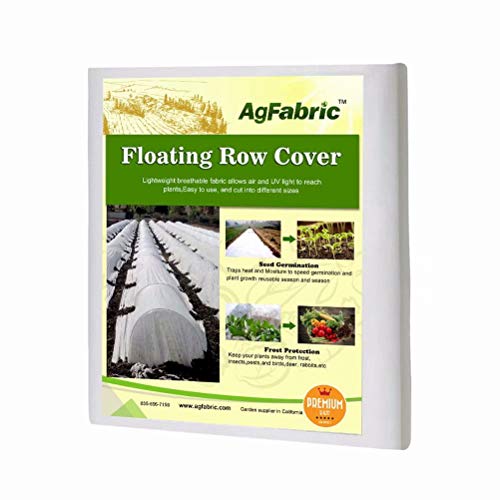
The plant row cover is made of 0.55 oz/sq non-woven polypropylene fabric which is lightweight breathable and durable. It allows air and moisture to reach your vegetables and flowers.
Types of Lettuce Suitable for Winter
- Butterhead Lettuce
Butterhead varieties, such as Bibb and Boston, tolerate cold temperatures well. Their tender leaves remain delicious even after frost. - Romaine Lettuce
Romaine, or cos lettuce, stands up to winter’s chill. It develops a crisp texture and holds up well against frost. - Looseleaf Lettuce
Looseleaf types like Red Romaine or Buttercrunch grow quickly, making them great choices for winter planting. They can be harvested multiple times, providing fresh greens over several weeks. - Field Lettuce
Varieties like Winter Density show high resistance to cold weather. They have a vigorous growth habit and produce hardy leaves.
- Temperature
Lettuce thrives best between 60°F and 65°F. It can tolerate slight dips below freezing but shines at temperatures above 20°F. - Soil
Use well-draining soil rich in organic matter. A mix of compost and peat provides nutrients. - Light
Lettuce requires 6-8 hours of sunlight daily. If growing indoors or in shaded areas, consider using grow lights to ensure adequate exposure. - Watering
Maintain consistent moisture without over-watering. Water deeply once a week rather than lightly every day, allowing roots to reach for moisture. - Protection
Consider using row covers or cold frames to shield lettuce from harsh winds and extreme temperatures. This keeps plants warmer and extends the growing season.
By selecting appropriate varieties and ensuring favorable growing conditions, you can enjoy homegrown lettuce throughout winter.
Benefits of Growing Lettuce in Winter
Growing lettuce in winter offers unique advantages that can enhance your gardening experience and provide fresh produce year-round.
Fresh Produce in Cold Months
Enjoying fresh produce during cold months keeps your meals vibrant and nutritious. Winter lettuce varieties, like Butterhead and Looseleaf, thrive in low temperatures. They grow steadily even when the ground is frosty, allowing you to harvest crisp greens when most gardens lie dormant. You can enjoy salads and garnishes that brighten up winter dishes and add essential vitamins. With proper care, you can harvest lettuce continuously throughout the season, ensuring a consistent supply of fresh greens.
Environmental Considerations
Growing lettuce in winter contributes positively to the environment. You reduce the carbon footprint associated with transporting produce by cultivating your own food. Additionally, winter growing helps maintain soil health by preventing erosion and promoting the activity of beneficial microorganisms. Using sustainable practices, like composting and organic fertilizers, encourages a thriving ecosystem in your garden. Ultimately, winter lettuce gardening supports local biodiversity, making your gardening efforts both rewarding and environmentally friendly.
Challenges of Growing Lettuce in Winter
Growing lettuce in winter presents challenges, mainly related to temperature fluctuations and pest management. Understanding these issues helps you prepare and maintain healthy plants.
Recommended Products
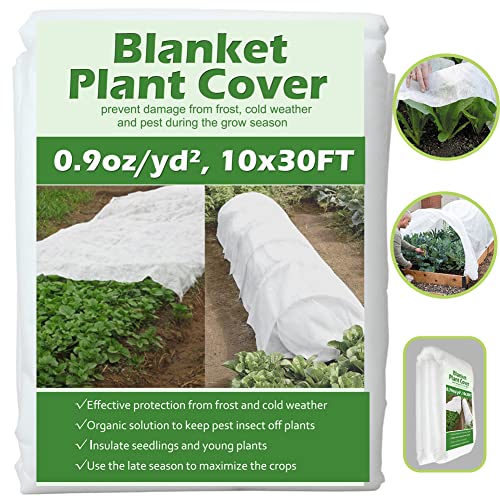
※Big Size to cover large area : The size of our plant cover is 10x30ft, the size can cover large areas. You can cut the plant covers freeze protection into different sizes for different use. You can cover it over the plant such as shrub tomato, pepper, pumpkin, and so on.

[1.5oz/yd² Frost Cloth for Plant Freeze Protection]Made with 1.5oz/yd² per sq yd garden fabric, this frost cloth helps protect plants from frost, cold wind, and sudden temperature drops while allowing sunlight, air, and moisture to pass through.

Great Helper for Gardening: This YDSL plant covers freeze protection is ideal for gardening enthusiasts and gardeners to protect plants and vegetables, so that your favourite plants can grow as safely as possible in an environment that is more suited to their needs. Garden bed cover is not only suitable for professional growers, but also for beginners in transplanting techniques, with which planting can be done with ease.
Temperature and Frost Risks
Temperature plays a significant role in lettuce growth. Lettuce thrives best at 60°F to 65°F. When temperatures drop below freezing, frost can damage or kill your plants. To mitigate this risk, consider these strategies:
- Choose Hardy Varieties: Select varieties like Butterhead or Romaine, known for their cold tolerance.
- Use Protective Covers: Row covers or cold frames trap heat, providing extra protection against frost.
- Monitor Weather Closely: Keep an eye on local forecasts to prepare for unexpected temperature drops.
By taking these precautions, you can minimize frost damage and promote healthy winter growth.
Pest and Disease Management
While winter conditions reduce some pest activity, specific threats remain. Common pests such as aphids and slugs can still affect your lettuce. To manage these risks effectively:
- Inspect Regularly: Check your plants weekly for signs of pests or disease. Early detection is key.
- Implement Natural Controls: Introduce beneficial insects like ladybugs, which feed on aphids.
- Maintain Soil Health: Healthy soil promotes strong plants. Use organic matter to enhance soil quality and resilience.
By actively managing pests and diseases, you ensure that your winter lettuce flourishes.
Best Practices for Winter Lettuce Cultivation
Growing lettuce in winter requires a few best practices to ensure successful cultivation. By following specific techniques, you can enjoy fresh greens throughout the chilly months.
Choosing the Right Variety
Select hardy lettuce varieties suitable for winter conditions. Consider these options:
- Butterhead: Known for its soft, buttery texture. It’s tolerant of cold and can withstand light frosts.
- Romaine: This variety offers a crunchy texture and remains flavorful in lower temperatures.
- Looseleaf: Easy to grow, this type allows for cut-and-come-again harvesting, providing multiple yields.
- Field Lettuce: Ideal for open fields, it’s resilient against frost and provides a steady crop.
By choosing these varieties, you increase the chances of a successful winter harvest.
Essential Care Tips
Implementing proper care practices is crucial for winter lettuce. Here are essential tips:
- Soil Preparation: Use well-draining soil rich in organic matter. Enrich your soil with compost before planting.
- Temperature Management: Maintain optimal growing temperatures of 60°F to 65°F. Use row covers or cold frames to protect plants from extreme cold.
- Watering: Water efficiently with drip irrigation systems. Ensure the soil remains moist but not waterlogged.
- Sunlight: Position your lettuce where it receives at least 6-8 hours of sunlight daily to encourage healthy growth.
- Pest Control: Check your plants regularly for pests. Introduce beneficial insects like ladybugs to keep harmful pests in check.
By following these care tips, you help create an environment where your winter lettuce can thrive.
Conclusion
Growing lettuce in winter isn’t just a dream; it’s an achievable reality for you. By choosing the right varieties and creating the ideal conditions, you can enjoy fresh greens even in the coldest months.
With a little effort in soil preparation and protective measures, your winter garden can thrive. Plus, the satisfaction of harvesting your own lettuce during winter adds a special touch to your meals.
So go ahead and embrace winter gardening. You’ll not only enjoy delicious salads but also contribute to a healthier environment. Happy gardening!
Frequently Asked Questions
Can I grow lettuce during winter?
Yes, you can grow lettuce in winter! Certain varieties like Butterhead, Romaine, and Looseleaf thrive in colder temperatures, allowing you to enjoy fresh greens even in chilly weather.
What temperature is best for growing lettuce in winter?
Lettuce grows best in temperatures between 60°F and 65°F. Maintaining this range helps ensure healthy growth and a bountiful harvest during the winter months.
What are the best lettuce varieties for winter growing?
The best winter varieties include Butterhead, Romaine, Looseleaf, and Field Lettuce. These types are hardy and can withstand colder conditions.
How much sunlight do winter lettuce plants need?
Winter lettuce plants require about 6-8 hours of sunlight daily. Ensure they are planted in a location that receives adequate light for optimal growth.
What protective measures should I take for winter lettuce?
Use row covers or cold frames to protect lettuce from harsh weather. These measures help maintain warmth and shield the plants from frost and pests.
How often should I water winter lettuce?
Water your winter lettuce regularly but avoid overwatering. Ensure the soil is well-draining and keep it moist, without becoming soggy.
What challenges should I expect when growing lettuce in winter?
Challenges include temperature fluctuations and pest management. Monitor plants closely, use protective covers, and maintain soil health to overcome these issues.
What are the benefits of growing lettuce in winter?
Growing lettuce in winter provides fresh produce during cold months, enhances meals, reduces carbon footprint related to transport, and supports local biodiversity.
How can I manage pests when growing winter lettuce?
Regularly inspect plants for pests, introduce beneficial insects, and maintain soil health. These practices help ensure healthy winter lettuce growth.
What best practices should I follow for winter lettuce cultivation?
Follow best practices like choosing hardy varieties, preparing the soil with organic matter, managing temperatures, ensuring adequate sunlight, and implementing pest control measures for successful winter growing.
