

Have you ever wondered how long it takes to grow fresh, crisp lettuce? If you’ve tried your hand at gardening or just thought about it, you know the excitement of watching your plants thrive. But lettuce can be tricky. Knowing the right timeline can make all the difference between a bountiful harvest and a disappointing yield.
In this article, you’ll discover the key factors that influence how long it takes for lettuce to grow. From seed selection to weather conditions, we’ll cover everything you need to know to enjoy a successful crop. Whether you’re a seasoned gardener or just starting out, this guide will help you plan your planting schedule and enjoy the freshest salads right from your garden.
Key Takeaways
- Growth Timeline: Lettuce typically takes 30 to 80 days to grow, depending on the variety, with leaf lettuce being the quickest at 30 to 45 days and romaine taking 70 to 80 days.
- Ideal Conditions: Optimal soil temperature for germination ranges from 65°F to 75°F, while lettuce flourishes best in cooler weather between 60°F and 70°F to prevent bolting and bitterness.
- Lighting Requirements: Lettuce needs 12 to 14 hours of sunlight daily. Indoor growers may need supplemental grow lights to ensure robust growth.
- Soil Quality: Use well-draining soil with a pH of 6.0 to 6.8, enriched with organic matter, to support healthy root development and moisture retention.
- Watering and Fertilization: Maintain consistent soil moisture with 1 to 1.5 inches of water weekly and utilize balanced fertilizers alongside organic compost to promote growth without over-fertilizing.
- Regular Monitoring: Keep an eye on seedlings for signs of overcrowding or nutrient deficiencies to ensure optimal growth conditions.
Understanding Lettuce Growth Stages
Understanding the growth stages of lettuce helps you optimize your gardening efforts. Knowing what to expect at each stage keeps your plants healthy and leads to a bountiful harvest.
Seed Germination Time
Seed germination for lettuce takes about 7 to 14 days under optimal conditions. Maintain soil temperatures between 65°F and 75°F for the best results. Keep the soil moist but not soggy, as overwatering can hinder germination. If seeds don’t sprout after 14 days, consider reseeding. Planting seeds ¼ to ½ inch deep ensures proper growth.
Seedling Development
Seedling development occurs approximately 2 to 3 weeks after germination. During this stage, seedlings grow their first true leaves. Provide adequate light exposure; 12 to 16 hours of light daily promotes healthy growth. Water seedlings regularly, allowing the top layer of soil to dry slightly between watering. Thin seedlings as needed to ensure adequate spacing of 6 to 12 inches apart. This prevents overcrowding and supports optimal air circulation.
Factors Affecting Growth Duration
Lettuce growth duration varies based on several key factors. Understanding these aspects helps you achieve a successful harvest.
Recommended Products

More Larger Sizes Rectangular Plant Covers Freeze Protection: The Garutom frost plant covers are available in three sizes (8 ft x 24 ft, 10 ft x 33 ft, 10 ft x 50 ft), you can choose the size you need most. The plant blanket can be easily cut with scissors to fit over whatever you want

Cover Large Area: Select from an extensive range of sizes tailored to meet your gardening requirements; The frost plant covers are available in 10x10FT, 10x20FT, 10x30FT, and 10x50FT, ensuring a snug fit for gardens of every dimension; The frost blankets are durable and easy to cut to provide the perfect coverage for gardens of all shapes and sizes
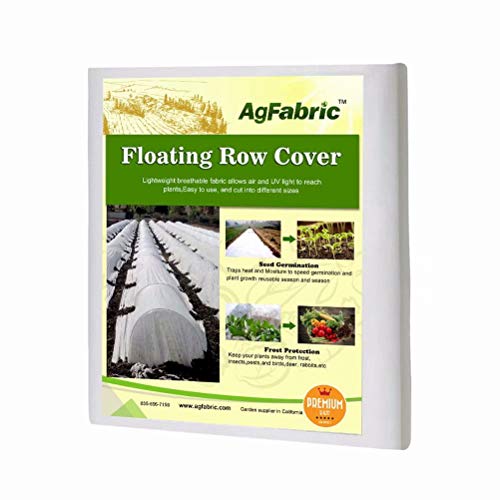
Heavy-weight FRCs(0.9-1.2oz./sq.yard):Are usually used to extend the growing season in spring and fall,allow 30%-50% light transmission,and recommend of freeze protection and season extension
Temperature Requirements
Temperature significantly impacts lettuce growth. Lettuce thrives in cool weather, with optimal growth occurring between 60°F and 70°F. If temperatures exceed 75°F, lettuce may bolt, leading to a bitter taste and premature flowering. You can utilize shade cloths during hot periods to protect young plants. Conversely, when temperatures drop below 50°F, growth slows. Using row covers can provide extra warmth in cooler months.
Light Conditions
Light conditions affect the growth rate of your lettuce. Lettuce requires at least 12 to 14 hours of sunlight daily for optimal growth. Insufficient light results in leggy, weak plants. If growing indoors or in shaded areas, consider using grow lights to supplement natural light. Position lights 2 to 4 inches above the plants and maintain a consistent photoperiod.
Soil Quality
Soil quality plays a crucial role in lettuce development. Well-draining soil rich in organic matter promotes healthy growth. Aim for a pH level between 6.0 and 6.8. Conduct a soil test to identify any deficiencies. Adding compost or well-rotted manure can improve soil structure and nutrient content. Regularly aerating the soil also encourages robust root development and moisture retention.
Different Lettuce Varieties and Their Growth Times
Understanding the growth times of various lettuce types helps you plan your gardening schedule effectively. Here’s a breakdown of popular lettuce varieties and their growth durations.
Recommended Products
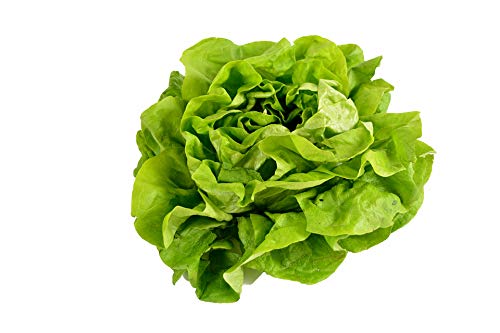
This lettuce is well known for its sweet flavor. Best if harvested in the morning.

🥬 Winter Density Lettuce: 65 days until Maturity. Latin Name: Lactuca sativa. Open Pollinated. The plant produces heavy yields of dark green romaine lettuce. Leaves are tightly folded and have a delicious sweet flavor. Lettuce retains its crisp sweetness best when harvested in the morning.

YEAR-ROUND GARDEN FAVORITE – Dependable butterhead lettuce that thrives in cool or moderate weather for consistent harvests from spring through fall, even under cover in winter
Leaf Lettuce
Leaf lettuce grows quickly and is perfect for quick harvests. It takes about 30 to 45 days from planting to harvest. You can start harvesting the outer leaves as soon as they reach 4 to 6 inches in height. Leaf lettuce thrives in cooler temperatures, making it ideal for spring and fall gardening.
Romaine Lettuce
Romaine lettuce requires more time compared to leaf varieties, with a growth period of 70 to 80 days. This variety produces sturdy leaves that are dense and crisp. You can harvest romaine when it reaches about 8 to 12 inches tall. For the best flavor and texture, plant it in early spring or late summer.
Butterhead Lettuce
Butterhead lettuce, known for its tender leaves and rich flavor, takes approximately 55 to 75 days to grow. You can harvest it when the heads form compact, soft rosettes. This variety prefers cooler weather, so aim to plant it in early spring or early fall for optimal results.
Tips for Optimal Lettuce Growth
To achieve the best results with your lettuce garden, it’s crucial to follow some key practices. Focus on watering, fertilization, and other essential tips to promote healthy growth.
Recommended Products

Slowly waters the soil around your plants for complete root zone hydration; Ideal for short runs on flat surfaces, such as vegetable gardens, borders, and around small plants

Higher Cost Performance Provide: enough length soaker hoses to get higher cost performance,and our 1/4 " diameter soaker hose set not only include 100 Ft length soaker hose but also include a rich range of accessories for a variety of uses,help you make custom length soaker hoses cheap & easy.

【Even & Consistent Root Watering】Features micro-pore seepage technology that distributes water evenly along the entire hose, transforming spot watering into uniform line watering directly to plant roots. Unlike traditional drip irrigation systems with clog-prone emitters, this soaker hose creates a continuous moisture band for healthier, deeper-rooted plants
Watering Practices
Water consistently to keep soil moist but not waterlogged. Aim for about 1 to 1.5 inches of water per week, adjusting based on rainfall. Use techniques like:
- Soaker Hoses: Place soaker hoses on the soil to provide an even water supply without wetting foliage, reducing the risk of disease.
- Drip Irrigation: Employ drip irrigation systems to deliver water directly to the roots for better efficiency.
- Morning Watering: Water in the morning to allow plants to absorb moisture before the day heats up.
Check soil moisture regularly. Stick your finger about an inch into the soil; if it’s dry, it’s time to water.
Fertilization Techniques
Fertilize your lettuce correctly to enhance growth without overdoing it. Follow these points for effective fertilization:
- Use Balanced Fertilizers: Apply a balanced fertilizer with equal parts nitrogen, phosphorus, and potassium (like a 10-10-10 ratio) to support overall health.
- Supplement with Compost: Add organic compost a couple of weeks before planting. It’ll enrich the soil and provide nutrients over time.
- Side-Dress Fertilizer: Apply additional fertilizer about three weeks after planting. This boosts growth as the plants mature.
Monitor your plants for signs of nutrient deficiency, such as yellowing leaves or stunted growth, and adjust the fertilization schedule accordingly.
By implementing these tips, you increase your chances of a bountiful lettuce harvest.
Conclusion
Growing lettuce can be a rewarding experience that brings fresh flavors to your meals. By keeping an eye on the key factors like temperature light and soil quality you can optimize your garden for a bountiful harvest.
Whether you’re planting quick-growing leaf varieties or taking your time with romaine or butterhead you’ll find joy in watching your plants thrive. Remember to stay consistent with watering and fertilization to keep your lettuce healthy and delicious.
With a little patience and care your garden can provide you with crisp salads and a sense of accomplishment. Happy gardening!
Frequently Asked Questions
How long does it take for lettuce seeds to germinate?
Lettuce seeds typically germinate within 7 to 14 days under optimal conditions. Ensuring the right soil temperature and moisture levels can significantly influence this timeline.
What are the ideal conditions for growing lettuce?
For optimal growth, lettuce thrives in temperatures between 60°F and 70°F and requires 12 to 14 hours of sunlight each day. Well-draining, nutrient-rich soil is also crucial for healthy development.
How can I tell when my lettuce is ready to harvest?
The harvest time varies by variety; leaf lettuce is ready in about 30 to 45 days, while romaine takes 70 to 80 days. Look for mature leaves that are crisp and vibrant in color.
Why is thinning seedlings important for lettuce growth?
Thinning seedlings prevents overcrowding, allowing each plant to receive adequate light, water, and nutrients. This practice promotes healthy growth and enhances the quality of the leaves.
What type of fertilizer should I use for lettuce?
Using balanced fertilizers is recommended, supplemented with organic compost for improved soil health. Side-dressing with additional fertilizer as the plants mature can optimize growth and yield.
How much water does lettuce need weekly?
Lettuce requires about 1 to 1.5 inches of water per week. Consistent watering is essential to keep the soil moist but not waterlogged, with morning watering being most effective.
What factors can lead to lettuce bolting?
Temperatures above 75°F can stress lettuce and lead to bolting, which produces a flower stalk and results in bitter leaves. Maintaining cooler growing conditions is vital to prevent this.
What are some common lettuce varieties and their growth times?
Leaf lettuce is the fastest, maturing in 30 to 45 days. Butterhead takes about 55 to 75 days, while romaine requires 70 to 80 days. Each variety performs best in cooler weather.
