

Ever wondered what makes lettuce more than just a crunchy addition to your salad? You’re not alone. Many people enjoy this leafy green without realizing it’s packed with essential nutrients that can boost your health.
Key Takeaways
- Nutritious Profile: Lettuce is packed with essential vitamins like A, K, and C, supporting vision, immune function, and bone health.
- Mineral Benefits: Contains vital minerals such as calcium and potassium, contributing to strong bones and heart health.
- High Water Content: Composed of approximately 95% water, lettuce is excellent for hydration and maintaining fluid balance in the body.
- Fiber-Rich: Provides dietary fiber, which aids in digestive health, weight management, and cholesterol reduction.
- Antioxidant Properties: Rich in flavonoids and carotenoids, lettuce helps combat oxidative stress and supports overall wellness.
- Diverse Varieties: Incorporating different types of lettuce can enhance nutrient diversity, maximizing health benefits when added to meals.
Overview of Lettuce Nutrients
Lettuce offers a variety of essential nutrients that support overall health. Here’s a breakdown of what you get when you include lettuce in your diet.
Vitamins
- Vitamin A: Supports vision and immune function. One serving of romaine lettuce provides over 100% of your daily vitamin A needs.
- Vitamin K: Critical for blood clotting and bone health. Leafy greens, including lettuce, are among the top sources of this nutrient.
- Vitamin C: Known for its role in immune defense and collagen synthesis, lettuce delivers a good dose of vitamin C.
Minerals
- Iron: Necessary for oxygen transport in the blood. While lettuce isn’t the highest source, every bit contributes to your daily intake.
- Calcium: Helps build and maintain strong bones. Lettuce contains smaller amounts, but it’s beneficial when combined with other calcium-rich foods.
- Potassium: Important for heart health and muscle function. Lettuce aids in replenishing potassium levels in your body.
Fiber
- Dietary Fiber: Promotes digestive health. Leafy varieties like romaine are particularly rich in fiber, which can aid in weight management and reduce cholesterol levels.
Hydration
- Water Content: Lettuce is about 95% water, making it an excellent way to stay hydrated while you eat.
- Phytonutrients: These compounds help fight oxidative stress. Lettuce varieties, such as red leaf and butterhead, contain higher levels of antioxidants that contribute to overall well-being.
Incorporating different types of lettuce can enhance nutrient diversity. Consider mixing romaine, butterhead, and arugula in your salads to maximize health benefits.
Essential Vitamins in Lettuce
Lettuce offers significant vitamins that contribute to overall health. Here are the key vitamins found in this leafy green.
Recommended Products

Plant Identification: Little Gem Lettuce with scientific name Lactuca Sativa, a romaine butterhead type variety with crinkled leaves
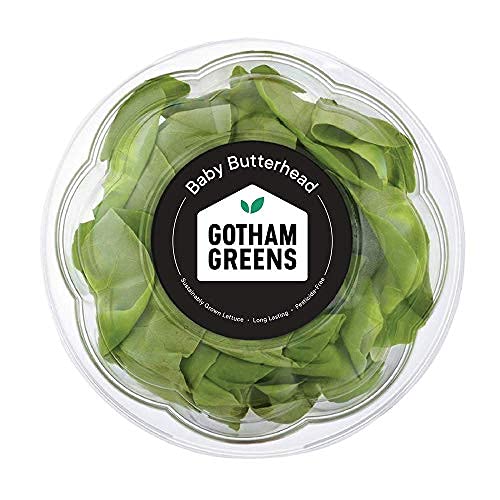
Selected and stored fresh

Custom Blend of 7 Lettuce Varieties: This salad mix combines seven top-performing lettuces, including Boston-style butterheads, crisp iceberg types, sturdy romaine, and colorful loose-leaf varieties. Selected for flavor, texture, and visual appeal, the mix offers a balanced assortment of greens with deep reds, bright greens, and various leaf shapes that make every harvest vibrant and diverse.
Vitamin K
Vitamin K plays a critical role in blood clotting and bone health. One cup of romaine lettuce provides about 48 micrograms of vitamin K, which is approximately 40% of the daily recommended intake. Regular consumption helps maintain bone density and supports cardiovascular health. Including lettuce in your diet, especially as a salad base, enhances your vitamin K intake effortlessly.
Vitamin A
Vitamin A is vital for maintaining good vision, skin health, and immune function. A single serving of butterhead lettuce can supply about 562 international units (IU) of vitamin A, translating to more than 10% of your daily requirements. This vitamin helps the eyes adapt to various light levels and promotes healthy skin. Incorporating lettuce in wraps or sandwiches provides an easy way to boost your vitamin A levels while enjoying your meals.
Key Minerals Found in Lettuce
Lettuce is not just low-calorie; it’s packed with essential minerals that contribute to your overall health. Among these, calcium and potassium stand out for their vital roles in your body.
Calcium
Calcium plays a critical role in maintaining strong bones and teeth. One serving of romaine lettuce offers about 18 mg of calcium. This mineral aids in muscle function and nerve signaling. Including lettuce in your diet alongside dairy products can significantly boost your calcium intake. Additionally, enjoy salads topped with nuts or seeds to further enhance calcium levels.
Potassium
Potassium is essential for heart health, blood pressure regulation, and muscle function. A cup of chopped romaine lettuce contains approximately 200 mg of potassium. This mineral helps maintain fluid balance and supports overall cell function. To maximize potassium intake, pair lettuce with other potassium-rich foods, such as bananas or sweet potatoes, for a well-rounded nutritional profile.
Antioxidants and Phytochemicals
Lettuce contains various antioxidants and phytochemicals that contribute to overall health. These compounds play a role in preventing chronic diseases and promoting wellness.
Recommended Products

25 mg LUTEIN + 5 mg ZEAXANTHIN: Lutein and zeaxanthin are free radical scavenging carotenoid pigments often found together in vegetables*
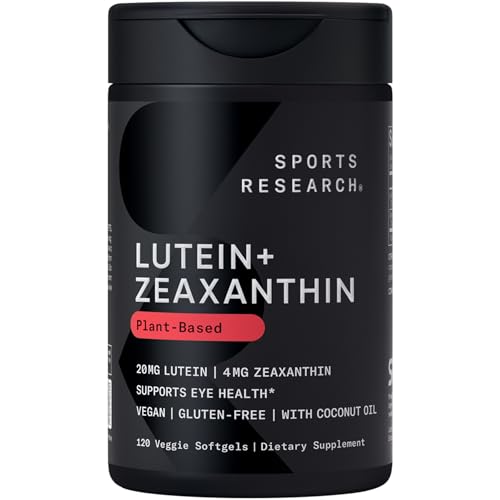
A POTENT COMBO: Lutein and Zeaxanthin are well-known carotenoids that have been shown to protect the eyes and may even help filter high-energy blue light

Special Features - 4 in 1 extra strength lutein softgels with zeaxanthin, astaxanthin, omega-3 fatty acids DHA and EPA, as well as phospholipids, retains essential antioxidants, healthy fats, and carotenoids.
Flavonoids
Flavonoids are powerful antioxidants found in lettuce. They help combat oxidative stress by neutralizing free radicals. Common types of flavonoids in lettuce include quercetin and kaempferol. Quercetin supports immune health and has anti-inflammatory effects. One serving of romaine lettuce can contain up to 29 mg of quercetin. To maximize your intake, combine lettuce with other flavonoid-rich foods like berries and apples.
Carotenoids
Carotenoids are another group of antioxidants present in lettuce, particularly in darker varieties. Lutein and zeaxanthin are the primary carotenoids found in lettuce, supporting eye health and reducing the risk of age-related macular degeneration. A single serving of butterhead lettuce provides about 160 μg of lutein. For optimal benefits, pair lettuce with a source of healthy fat, such as avocado or olive oil, to enhance carotenoid absorption.
Health Benefits of Nutrients in Lettuce
Nutrients in lettuce offer numerous health benefits that support overall well-being. Here’s a breakdown of the key benefits associated with essential nutrients found in this leafy green.
Vitamins in Lettuce
- Vitamin K: Crucial for blood clotting and bone health. Consuming romaine lettuce provides about 40% of your daily recommended intake. Regular intake strengthens bone density and supports cardiovascular health.
- Vitamin A: Vital for good vision and immune function. Butterhead lettuce supplies more than 10% of your daily requirements in a single serving. Adding lettuce to your meals boosts Vitamin A levels effortlessly.
- Vitamin C: Supports immune function and skin health. One cup of romaine lettuce contains about 2 mg of Vitamin C. Pair lettuce with citrus fruits to enhance your intake.
Minerals in Lettuce
- Calcium: Essential for strong bones and teeth. Romaine lettuce offers approximately 18 mg per serving. Incorporating dairy or nuts into your salads enhances calcium intake.
- Potassium: Important for heart health and blood pressure regulation. One cup of romaine provides about 200 mg of potassium. Combine lettuce with bananas or sweet potatoes for a potassium-rich meal.
Antioxidants and Phytochemicals
- Flavonoids: Include quercetin and kaempferol that combat oxidative stress. Romaine lettuce contains up to 29 mg of quercetin per serving. Pair lettuce with berries for a boost in flavonoids.
- Carotenoids: Such as lutein and zeaxanthin support eye health. Darker varieties of lettuce provide significant amounts of these compounds. Combining lettuce with healthy fats like avocado enhances carotenoid absorption.
- Fiber: Crucial for digestive health and weight management. One cup of shredded lettuce provides about 1 g of dietary fiber. Add lettuce to sandwiches or wraps to increase fiber content and promote fullness.
By incorporating a variety of lettuce types into your diet, you maximize nutrient diversity and enhance your overall health. Aim to mix different kinds to reap the full spectrum of benefits from this nutritious green.
Conclusion
Lettuce is a powerhouse of nutrients that can easily elevate your meals and boost your health. By adding a variety of lettuce types to your diet you’ll not only enjoy different flavors and textures but also maximize the benefits of vitamins and minerals.
Whether you’re tossing it in a salad wrapping it in a sandwich or blending it into a smoothie you’re making a smart choice for your well-being. So next time you reach for that crunchy green think about all the goodness it brings to your plate and your body. Enjoy the journey to a healthier lifestyle with every crisp bite!
Frequently Asked Questions
What are the nutritional benefits of lettuce?
Lettuce is packed with essential nutrients, including vitamins A, K, and C, which support vision, blood clotting, and immune function. It also contains important minerals like calcium, iron, and potassium for bone health, oxygen transport, and heart function. Additionally, its high water content and dietary fiber promote hydration and digestive health.
How does lettuce support bone health?
Lettuce is particularly rich in Vitamin K, crucial for blood clotting and maintaining bone density. Romaine lettuce provides about 40% of the daily recommended intake of Vitamin K per cup, making it beneficial for bone strength and cardiovascular health.
Which types of vitamins are found in lettuce?
Lettuce contains several vitamins, notably Vitamin A, which supports good vision and skin health, and Vitamin C, essential for immune function. Variants like butterhead lettuce offer significant amounts of these vitamins, boosting your daily intake when included in meals.
Can lettuce help with weight management?
Yes, lettuce can aid in weight management due to its low calorie count and high water content, about 95%. Its dietary fiber also promotes a feeling of fullness, making it a great addition to salads and wraps.
How does lettuce contribute to hydration?
With a water content of around 95%, lettuce is an excellent hydrating food. Including it in your meals can help you stay well-hydrated, especially during hot weather or after exercise.
What minerals in lettuce benefit heart health?
Lettuce is a good source of potassium, which helps regulate blood pressure and support heart health. Romaine lettuce, for instance, contains approximately 200 mg of potassium per cup, making it a heart-friendly addition to your diet.
Are there antioxidants in lettuce?
Yes, lettuce contains antioxidants like flavonoids and carotenoids, which help to combat oxidative stress. Varieties like romaine lettuce are rich in quercetin and lutein, providing added health benefits.
How can I incorporate more lettuce into my diet?
You can easily add more lettuce to your meals by using it as a base for salads, wraps, or sandwiches. Mixing different lettuce types not only enhances flavors but also maximizes nutrient diversity for better health.
