

Have you ever wondered how long it takes for romaine lettuce to grow from seed to salad? If you’re thinking about starting your own garden or just curious about your favorite greens, you’re in the right place. Growing romaine can be a rewarding experience, but timing is key.
Imagine stepping into your backyard and picking fresh, crisp lettuce for your dinner. It sounds great, right? This article will guide you through the growth timeline of romaine lettuce, so you can plan your garden effectively. Whether you’re a seasoned gardener or a beginner, understanding the growth stages will help you enjoy a bountiful harvest in no time.
Key Takeaways
- Growth Timeline: Romaine lettuce typically takes about 60 to 75 days from planting to harvest, with specific stages including seed germination (7 to 14 days) and seedling development (2 to 4 weeks).
- Optimal Conditions: Successful growth requires maintaining soil temperatures between 65°F and 75°F, consistent moisture of 1 to 1.5 inches per week, and well-draining soil with a pH of 6.0 to 7.0.
- Space & Light Requirements: Seedlings need to be spaced 6 to 12 inches apart to prevent overcrowding and should receive 12 to 16 hours of sunlight daily for optimal growth.
- Harvesting Tips: For the best taste, harvest lettuce when heads are firm and fully formed, using a sharp knife to cut at the base. Consider harvesting outer leaves for a continuous supply.
- Post-Harvest Storage: Store harvested romaine in a cool, dry place, wrapping it in a damp paper towel and refrigerating to extend freshness for up to one week.
- Pest & Disease Management: Regularly monitor for pests like aphids and slugs and manage diseases, such as downy mildew, by avoiding overhead watering and improving air circulation.
Understanding Romaine Lettuce Growth
Romaine lettuce growth involves distinct stages that influence the time from seed to harvest. Grasping these stages helps you plan your garden more effectively.
Seed Germination Stage
The seed germination stage occurs within 7 to 14 days after planting. Lettuce seeds require moisture and warmth to sprout. For optimal results, keep the soil temperature between 65°F and 70°F. Keep the soil consistently damp, but not soggy, to promote successful germination. You’ll notice tiny sprouts breaking through the soil as they emerge.
Seedling Development Stage
The seedling development stage lasts approximately 2 to 4 weeks. During this time, seedlings grow their first true leaves. Provide plenty of sunlight, ideally 12 to 16 hours per day, to encourage strong development. Thin out overcrowded seedlings, leaving about 6 to 12 inches of space between plants to ensure adequate airflow and nutrients. Applying a diluted fertilizer can also boost growth during this stage.
Factors Affecting Growth Time
Various factors influence how long it takes for romaine lettuce to grow. Understanding these elements helps you optimize your gardening techniques for a successful harvest.
Recommended Products

Kindly NOTE: This soil tester can not be applied to test pH value of any other liquid. If the soil is too dry the indicator will not move, and water it before testing.
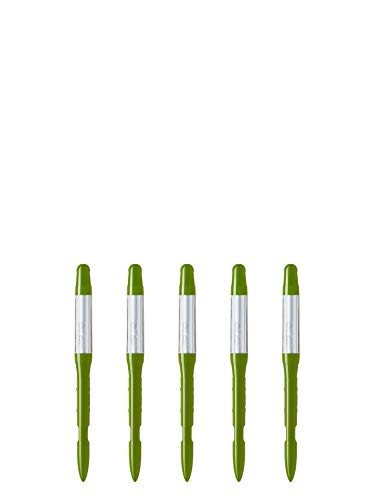
Dimensions: 0.4 x 0.3 x 4.7 inches (small) - Intended for pot sizes of 2, 2.5, and 3 - Ideal for small succulents

Instantly tell when plants need watering
Temperature Requirements
Temperature plays a crucial role in romaine lettuce growth. Ideal temperatures range from 60°F to 70°F (15°C to 21°C). Cooler temperatures can delay growth, while excessively high temperatures, above 75°F (24°C), may cause bolting. Monitor daily temperatures, and consider using row covers to protect seedlings from accidental frost or extreme heat.
Soil Conditions
Soil quality directly impacts the growth rate of romaine lettuce. Well-draining, loose soil with a pH between 6.0 and 7.0 supports healthy root development. Incorporate organic matter, such as compost, to enhance soil fertility and structure. Test your soil before planting to assess nutrient levels and adjust accordingly for optimal growth.
Watering Needs
Consistent moisture is essential for romaine lettuce. Use deep watering techniques to ensure roots reach moisture levels. Lettuce requires approximately 1 to 1.5 inches of water per week, either from rainfall or irrigation. Check the top inch of soil for dryness before watering. Overwatering can lead to root rot, so ensure proper drainage to maintain healthy plants.
How Long for Romaine Lettuce to Grow
Romaine lettuce grows rapidly, making it a favorite among gardeners. Understanding the growth timeline helps you plan for a successful harvest.
Recommended Products

High Germination Rate: Enjoy a plentiful harvest with our Romaine Lettuce seed pod featuring excellent germination. Fresh, reliable seeds sourced from USA ensure quick sprouting and healthy growth.

【All-in-One Hydroponic Garden Kit】This Romaine seed pod kit has everything to kickstart your hydroponic gardening journey: A packet of Romaine Lettuce seeds, 12 grow sponges, 12 plant baskets, 12 grow domes, 12 pod labels and 1 Tweezers.(Contains no plant foods)

4 Popular Heirloom Lettuce Varieties: Includes Red Romaine, Bibb Butterhead, Black Seeded Simpson, and Green Ice lettuce seeds to grow crisp, tender, and colorful salad greens with balanced flavor, texture, and visual appeal.
Timeframes for Different Growth Stages
- Seed Germination: Seeds germinate within 7 to 14 days under optimal conditions. Ideal soil temperature ranges from 65°F to 75°F. Keeping the soil consistently moist promotes quicker germination.
- Seedling Development: Seedlings develop after germination, typically taking 3 to 4 weeks to establish. This stage involves the growth of true leaves, which indicates the plant is ready for transplanting if started indoors.
- Mature Plant Formation: From planting to maturity, romaine lettuce usually takes about 60 to 75 days. During this time, ensure consistent moisture and ideal temperatures for optimal growth.
- Timing: Harvest romaine lettuce when heads are firm and fully formed, typically around 60 to 75 days after planting. Check regularly as they can mature quickly.
- Harvest Methods: Use a sharp knife to cut the head at the base when harvesting. For a continuous supply, pick outer leaves first, allowing the center to keep growing.
- Post-Harvest Storage: Store harvested romaine in a cool, dry place. Refrigerate it wrapped in a damp paper towel to extend freshness for about one week.
By understanding these timelines and practices, you can grow delicious romaine lettuce with ease.
Tips for Successful Cultivation
Growing romaine lettuce can be rewarding with the right strategies. Use these tips to enhance your cultivation efforts.
Recommended Products

100% Organic & Peat-Free: Our compost mix is 100% organic & peat-free. Peat is one of Mother Nature’s most important stores of carbon. Instead of imported peat, the base of our soils is made from upcycled plant matter or wood fines from the United States!

Feed the soil not the plants - stimulate microbial activity in your soil and boost probability of success with all types of plants… like composting but faster

SUPERCHARGE YOUR GARDEN: Elevate your plants' growth with premium organic Brut Worm Castings. Our certified organic formula guarantees optimal nutrition for your indoor and outdoor plants.
Best Practices for Growing Romaine Lettuce
- Select Quality Seeds: Start with high germination-rate seeds for a better yield.
- Choose the Right Location: Pick a site with full sun exposure—aim for at least 6 to 8 hours daily.
- Prepare the Soil: Enrich soil with organic matter, like compost. Aim for well-draining, loamy soil with a pH between 6.0 and 7.0.
- Water Consistently: Monitor moisture levels closely. Water deeply, about 1 inch per week, providing consistent hydration.
- Practice Spacing: Space seeds 12 to 18 inches apart to allow for proper airflow and growth.
- Implement Companion Planting: Grow aromatics, like basil or onions, alongside lettuce to deter pests.
- Watch for Pests: Check for aphids and slugs. Use insecticidal soap or hand-pick pests to manage them.
- Manage Diseases: Recognize signs of downy mildew. Avoid overhead watering and improve air circulation to prevent it.
- Address Wilting Leaves: If leaves wilt, assess watering practices. Either increase water if the soil’s dry or check for root rot if it’s soggy.
- Enhance Growth Conditions: If plants bolt, reduce temperatures with shade cloth or planting at different times to extend the growing season.
- Control Weeds Effectively: Remove weeds frequently to reduce competition. Mulch around plants to suppress weed growth.
Incorporate these practices to optimize your romaine lettuce cultivation experience.
Conclusion
Growing romaine lettuce can be a rewarding experience when you know what to expect. With a bit of patience and attention to detail you’ll be enjoying fresh, crisp leaves in no time. Remember to monitor your plants closely and adjust your care routine as needed.
Whether you’re a seasoned gardener or just starting out you’ll find that following the right practices makes all the difference. So get your hands dirty and enjoy the journey from seed to salad. Happy gardening!
Frequently Asked Questions
How long does it take for romaine lettuce to grow from seed to harvest?
Romaine lettuce typically takes about 60 to 75 days from seed to harvest. Seeds germinate within 7 to 14 days, followed by a seedling stage of 3 to 4 weeks before the mature plants are ready for picking.
What conditions are best for growing romaine lettuce?
Romaine lettuce thrives in well-drained soil with plenty of organic matter. It prefers full sun exposure and consistent watering. Ideal temperatures range from 60°F to 70°F (15°C to 21°C) for optimal growth.
How often should I water romaine lettuce?
Romaine lettuce should be watered consistently, aiming for about 1 to 1.5 inches of water per week. Ensure the soil remains moist but not waterlogged to promote healthy growth.
What are the best tips for harvesting romaine lettuce?
Harvest romaine lettuce when the leaves are crisp and the heads are firm. Use a sharp knife to cut the heads at the base, leaving some leaves for regrowth. Handle gently to avoid bruising.
How can I store romaine lettuce after harvesting?
Store harvested romaine lettuce in the refrigerator within a plastic bag to maintain freshness. Ideally, consume it within a week for the best flavor and texture. Do not wash until ready to use.
What are some common pests and diseases affecting romaine lettuce?
Common pests include aphids, slugs, and aphid infestations. Diseases can range from downy mildew to leaf spot. Regular inspection and implementing companion planting can help manage these issues effectively.
Can I grow romaine lettuce in containers?
Yes, romaine lettuce grows well in containers. Choose a container with drainage holes and fill it with high-quality potting soil. Ensure it receives adequate sunlight and water consistently for best results.
