

Have you ever wondered how long it takes for romaine lettuce to sprout? If you’re eager to grow your own crisp, fresh greens, knowing the germination timeline can make all the difference. Imagine planting those tiny seeds and watching them transform into vibrant plants right in your backyard.
Key Takeaways
- Germination Timeframe: Romaine lettuce seeds typically germinate in 5 to 10 days under ideal conditions, such as proper temperature and moisture levels.
- Temperature Sensitivity: The optimal soil temperature for germination is between 65°F and 70°F. Temperatures below 50°F or above 75°F can significantly delay sprouting.
- Moisture Control: Consistent moisture is essential for seed germination. Aim to keep the top inch of soil damp without waterlogging, which can rot the seeds.
- Seed Preparation: Soak seeds in water for 24 hours before planting to activate growth. Plant seeds ¼ inch deep, spacing them at least 1 inch apart for optimal growth.
- Ideal Growing Conditions: Use a loose, well-draining soil mix with a pH of 6.0 to 6.8. Monitor moisture levels closely and consider using plastic covers to maintain humidity until sprouting begins.
- Nurturing Growth: Once seedlings emerge, ensure they receive adequate light for at least 12 hours a day to support strong, healthy growth.
Factors Affecting Germination Time
Germination time for romaine lettuce can vary based on several factors. Understanding these factors helps improve your planting results.
Recommended Products

EASIER SEED STARTING: Our Burpee SuperSeed tray with 8 extra-large flexible pop-out cells is designed to simplify indoor seed starting. Just add seed starting mix, seeds, water and light to get growing! Perfectly sized for starting seeds in the windowsill: 11.5" x 5-3/16" x 2-1/4". Rows are labeled alphanumerically for seedling identification with included Plant-o-Gram diagram.

Five leafy greens varieties: Plant Parris Island romaine lettuce seeds, Buttercrunch lettuce seeds, Roquette arugula seeds, Vates Blue Scotch Curled kale seeds, and Bloomsdale spinach seeds. Includes 4,500+ seeds in five separate labeled packets.
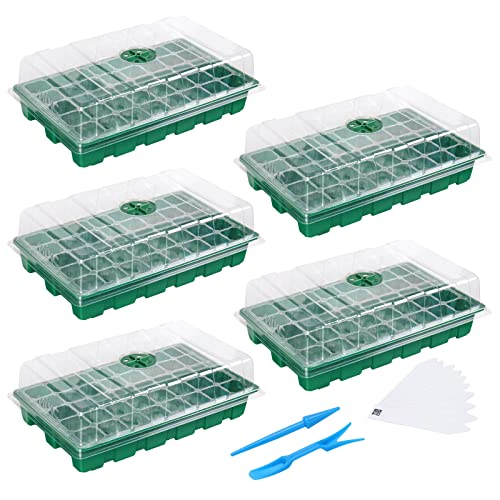
High quality transparent plastic cell trays of this seed grow kit make it easy to observe your plants without interrupting the process.
Temperature
Temperature plays a crucial role in germination. Romaine lettuce seeds prefer a soil temperature between 65°F and 70°F. At this range, seeds germinate in about 5 to 10 days. If temperatures drop below 50°F or exceed 75°F, germination slows down significantly. For instance, at 50°F, germination might take over two weeks, while temperatures above 75°F can lead to poor seed viability.
Moisture Levels
Moisture levels in the soil also impact germination. Seeds require consistent moisture to activate their growth process. Aim for damp soil, not soggy conditions. Too much water can cause seeds to rot, while too little can prevent them from sprouting. A good rule of thumb is to keep the top inch of soil moist. Check daily during the germination period, adjusting as necessary to maintain ideal moisture.
Germination Process of Romaine Lettuce
Germinating romaine lettuce seeds involves specific steps for successful growth. Understanding the process ensures you create the best environment for your seeds to thrive.
Recommended Products

High Germination Rate: Enjoy a plentiful harvest with our Romaine Lettuce seed pod featuring excellent germination. Fresh, reliable seeds sourced from USA ensure quick sprouting and healthy growth.

Complete Lettuce Garden Starter Kit Indoor – 5 heirloom salad and green seed packets, 8 biodegradable soil disks, 8 plant markers, and 8 starter pots. Romaine, Spinach, Arugula, Kale and Buttercrunch lettuce heirloom seeds are the star of the set!

【All-in-One Hydroponic Garden Kit】This Romaine seed pod kit has everything to kickstart your hydroponic gardening journey: A packet of Romaine Lettuce seeds, 12 grow sponges, 12 plant baskets, 12 grow domes, 12 pod labels and 1 Tweezers.(Contains no plant foods)
Seed Preparation
Prepare your seeds by ensuring they’re high-quality and free from disease. Soak the seeds in water for about 24 hours before planting. This soaking activates the seeds and speeds up germination. Once soaked, sow the seeds thinly, about ¼ inch deep in the soil. Space seeds at least 1 inch apart to give them room to grow without competition.
Ideal Conditions
Creating ideal conditions is crucial for germination. Maintain soil temperatures between 65°F and 70°F for optimal results. Monitor the moisture level; keep the top inch of soil consistently damp, but avoid waterlogged conditions. Covering the soil with plastic wrap can help retain moisture until sprouting occurs. Once germination starts, remove the cover to prevent mildew. Adequate light after germination supports robust plant growth; consider natural sunlight or grow lights for at least 12 hours daily.
Average Germination Time
Romaine lettuce seeds generally germinate within a specific timeframe. Understanding this timeline helps you plan your gardening activities effectively.
Common Timeframes
Most romaine lettuce seeds germinate in 5 to 10 days when conditions are right. If you maintain soil temperatures between 65°F and 70°F, you optimize the chances for quick germination. For example, if you plant your seeds on a warm day, you can expect to see sprouts within a week. However, this timeframe may extend if conditions are less than ideal.
Variability in Germination
Germination times can vary due to several factors. Cold soil, with temperatures below 50°F, slows down the process significantly, often stretching it beyond 10 days. Heat also plays a role; temperatures exceeding 75°F can inhibit germination as well. Moreover, inconsistent moisture can delay the sprouts. Keeping soil evenly moist, but not waterlogged, ensures better activation of your seeds.
Nurturing optimal temperature and moisture levels leads to quicker germination, typically within 5 to 10 days. If conditions aren’t ideal, sprouts might take longer, so patience proves essential in your romaine lettuce growing journey.
Tips for Successful Germination
Successful germination of romaine lettuce requires attention to detail. Follow these tips for the best results.
Recommended Products

COMPLETE VARIETY PACK: Eight popular lettuce seeds including Buttercrunch, Romaine, Iceberg, Bibb, Red Oakleaf, Prizehead, plus Kale and Spinach; Perfect lettuce seeds for planting outdoors or in hydroponic systems

Red Romaine: Features vibrant red-tinged leaves with green bases, offering a mild, slightly sweet flavor and crisp texture ideal for salads and garnishes.

"Mesclun" comes from the Provençal French word meaning "mixture" — this style of mixed salad greens originated in the Nice region of France and became a staple of fine restaurants worldwide before becoming a home garden favorite.
Soil Preparation
Prepare your soil by selecting a loose, well-draining mix. Use a seed-starting mix or a blend of potting soil and compost. You want a pH range of 6.0 to 6.8. Mix in organic matter, such as aged manure or worm castings, to provide nutrients. Before planting, moisten the soil. It should feel like a damp sponge. You can use a seed tray or a garden bed; just ensure it has proper drainage.
Watering Techniques
Water gently and consistently. Use a spray bottle or a watering can with a fine nozzle to avoid displacing the seeds. Keep the top inch of soil consistently moist without overwatering. If the soil dries out completely, germination can be delayed. Check daily; humid conditions require less frequent watering, while dry conditions demand more. Consider covering the sowed area with a clear plastic lid or wrap to retain moisture. Remove the cover once you see sprouts to prevent mold.
Conclusion
Growing your own romaine lettuce can be a rewarding experience. By understanding the germination timeline and the factors that influence it, you can set yourself up for success. Remember to keep the soil temperature just right and maintain consistent moisture to help those seeds sprout.
With a little patience and care, you’ll soon see your seeds transform into vibrant plants ready for your next salad. Enjoy the journey of gardening and the satisfaction that comes from nurturing your own food. Happy planting!
Frequently Asked Questions
How long does it take for romaine lettuce seeds to germinate?
Romaine lettuce seeds generally germinate in about 5 to 10 days under optimal conditions. Ensuring soil temperatures between 65°F and 70°F and maintaining consistent moisture levels can enhance germination speed.
What soil temperature is best for romaine lettuce germination?
Romaine lettuce seeds thrive when soil temperatures are between 65°F and 70°F. Temperatures below 50°F or above 75°F can significantly slow down the germination process.
How can I improve the germination rate of romaine lettuce seeds?
To improve germination rates, use high-quality, disease-free seeds, soak them in water for 24 hours before planting, and ensure soil temperatures are optimal while maintaining consistent moisture without overwatering.
What type of soil is best for growing romaine lettuce?
Use a loose, well-draining soil mix with a pH range of 6.0 to 6.8. Incorporate organic matter for added nutrients and ensure the soil is moistened before planting for best results.
How should I water romaine lettuce seeds during germination?
Water gently and consistently to keep the top inch of soil damp without creating soggy conditions. Using a cover can help retain humidity until germination, but avoid overwatering to prevent seed rot.
