

Have you ever wondered how long it takes for romaine lettuce to sprout? If you’re eager to grow your own fresh greens but aren’t sure what to expect, you’re not alone. Many home gardeners face the same question when starting their vegetable patch.
Key Takeaways
- Germination Period: Romaine lettuce seeds typically sprout within 7 to 14 days, with optimal conditions speeding up this process.
- Ideal Soil Temperature: For best results, maintain soil temperatures between 65°F and 75°F; cooler temperatures can delay germination.
- Consistent Moisture: Keep the soil consistently moist but not waterlogged to support germination while avoiding drying out.
- Quality Seeds: Use fresh, high-quality seeds to enhance germination success and ensure healthier seedlings.
- Proper Depth and Coverage: Plant seeds about ¼ inch deep and keep them covered to prevent light exposure during the germination process.
- Attention to Light: After germination, provide 12 to 16 hours of light daily for optimal growth of romaine lettuce seedlings.
Understanding Romaine Lettuce Germination
Romaine lettuce germination generally occurs within a specific timeframe, making it an accessible choice for home gardeners. Knowing the germination timeline and the factors that affect it can help you successfully grow fresh greens.
Germination Timeline
Romaine lettuce seeds typically germinate in 7 to 14 days. Soil temperature influences this timeframe; warmer soil temperatures of 65°F to 75°F promote faster germination. In cooler conditions, the germination may take longer, sometimes extending to 14 days or more. Preparing your garden bed or container with loose soil can aid in achieving quicker results.
Factors Affecting Germination Time
Several factors can influence the germination speed of romaine lettuce:
- Soil Temperature: Ideal soil temperatures between 65°F and 75°F significantly enhance germination. Lower temperatures delay sprouting.
- Moisture Levels: Consistent moisture is crucial. Soil that’s too dry may prevent germination, while overly wet soil can lead to seed decay.
- Seed Quality: Fresh, high-quality seeds germinate more reliably. Using seeds within their recommended lifespan ensures better results.
- Soil Type: Loose, well-draining soil supports healthy germination. Heavy clay may retain too much moisture, affecting the seeds negatively.
By considering these factors, you can optimize conditions for your romaine lettuce, leading to a successful growing experience.
Ideal Conditions for Germination
Creating the right environment for romaine lettuce seeds fosters better germination and faster growth. Pay attention to the following conditions to enhance your gardening success.
Recommended Products
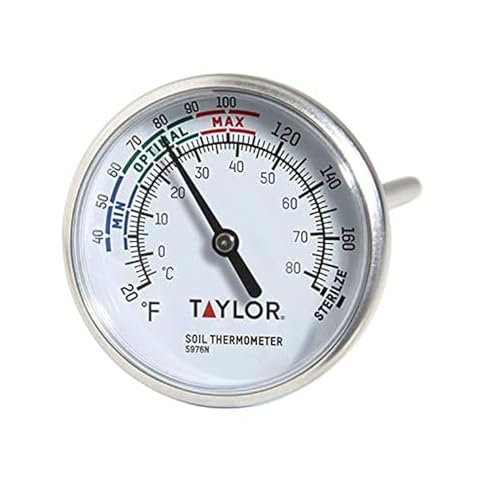
PRECISE SOIL TEMPERATURE READINGS: Measures soil temperatures from 20 degrees F to 180 degrees F (0 degrees C to 80 degrees C) with a large, easy-to-read analog dial face - no batteries or digital screens needed for reliable results every time
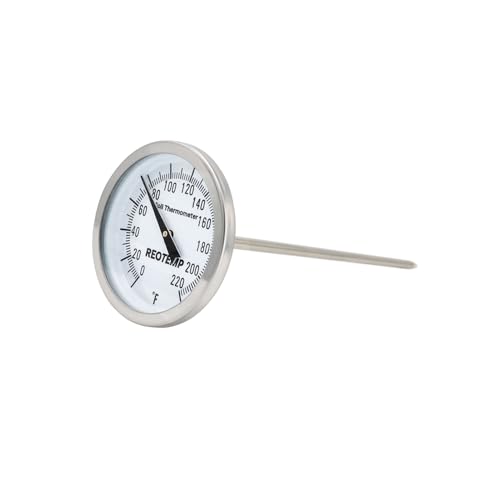
Corrosion Resistant 304 Stainless Steel Case, Bezel and 5" Stem

Reliable Results: The VIVOSUN professional heat mat maintains optimal temperatures around 68-86℉ (20-30℃), perfect for Seedling start and cutting propagation; Made from durable PVC material, it's designed to last
Soil Temperature
Soil temperature affects seed germination speed. Aim for a range of soil temperature between 65°F and 75°F (18°C to 24°C). At temperatures below 65°F, germination slows down significantly. For optimal results, use a soil thermometer to monitor these temperatures consistently.
Moisture Levels
Moisture levels play a crucial role in successful germination. Keep the soil consistently moist but not waterlogged. Lightly mist the soil daily to maintain moisture, especially during the first week. As the seeds sprout, gradually reduce watering frequency, allowing the top layer of soil to dry out slightly before watering again.
Light Requirements
Romaine lettuce seeds require darkness for germination. Plant them about 1/4 inch deep in the soil, which will help shield them from light. After germination, provide about 12 to 16 hours of light per day for optimal growth. You can use LED grow lights if natural sunlight isn’t sufficient, ensuring consistent light exposure during the seedling phase.
Steps to Germinate Romaine Lettuce
Germinating romaine lettuce is straightforward. Follow these steps for successful sprouting.
Preparing the Soil
- Choose a container that offers good drainage. You can use seed trays, pots, or garden beds.
- Fill it with a high-quality seed-starting mix. Ensure it’s light and fluffy for optimal root growth.
- Moisten the soil evenly. It should feel damp but not soggy before you plant.
- Position the container in a warm area. Aim for a soil temperature between 65°F and 75°F.
Sowing the Seeds
- Spread the romaine lettuce seeds across the soil surface. Space them about 1 to 2 inches apart to prevent crowding.
- Lightly cover the seeds with a thin layer of soil, almost ¼ inch deep. This darkness helps trigger germination.
- Water gently using a spray bottle or misting can. Avoid washing away the seeds during this step.
- Provide consistent moisture. Keep the soil damp but not waterlogged for the first week.
- Monitor temperature regularly. If it drops below 65°F, consider using a heat mat.
- Once seedlings appear, usually within 7 to 14 days, reduce moisture slightly to encourage stronger root systems.
- After 2-3 weeks, expose the seedlings to more light. A grow light or sunny windowsill will support healthy growth.
Common Issues in Germination
Germination can face several common issues that affect the success of your romaine lettuce seeds. Addressing these problems promptly helps enhance your chances of a successful crop.
Recommended Products

🥬 Heat-Tolerant Upright Romaine: Jericho Romaine Lettuce (Lactuca sativa) forms tall, sturdy heads with crisp ribs and tender, mildly sweet leaves. Known for its strong heat tolerance compared to many romaine varieties, it grows 18–24 inches tall and delivers reliable harvests in extended spring and early summer conditions.

Grow crisp Parris Island Cos romaine with upright green leaves, sturdy ribs, and a mild flavor. A classic choice for salads, lettuce wraps, sandwiches, and fresh harvests from your own garden.

Pests and Diseases
Pests can wreak havoc during the germination phase. Common pests include:
- Aphids: These small insects suck sap from seedlings, weakening them. Monitor closely and use insecticidal soap if necessary.
- Fungus gnats: These pests thrive in overly moist conditions. Reduce moisture levels to control their population.
- Mold: Mold can develop in damp conditions, harmful to young seedlings. Ensure proper air circulation and avoid overwatering.
Diseases may also hinder germination. Common diseases include:
- Damping-off: A fungal disease that can kill young seedlings. Use sterilized soil and avoid overcrowding seeds to prevent this issue.
- Downy mildew: This disease appears as yellow spots on leaves. Maintain good airflow and water plants at the soil level to minimize risk.
Environmental Stressors
Environmental factors play a crucial role in seed germination. Key stressors include:
- Temperature fluctuations: Seeds require stable temperatures. Aim to keep soil between 65°F and 75°F. Rapid temperature changes can hinder growth. Use soil thermometers for accuracy.
- Inadequate moisture: Both overwatering and underwatering can be detrimental. Maintain moisture but avoid soggy soil. Water lightly until seedlings emerge, then adjust based on soil dryness.
- Insufficient light: Once seedlings sprout, they require adequate light. Aiming for 12-16 hours of sunlight or using grow lights each day promotes healthy growth.
By addressing these common issues during the germination stage, you create an optimal environment for your romaine lettuce seeds to thrive.
Conclusion
Growing romaine lettuce can be a rewarding experience when you know what to expect. By providing the right conditions and being mindful of potential challenges you can enjoy a bountiful harvest. Remember to keep an eye on soil temperature and moisture while protecting your seedlings from pests and diseases.
With a little patience and care your romaine lettuce will sprout and flourish. So get ready to enjoy fresh crisp salads straight from your garden. Happy gardening!
Frequently Asked Questions
What is the ideal temperature for germinating romaine lettuce seeds?
The ideal soil temperature for germinating romaine lettuce seeds is between 65°F and 75°F. Maintaining this temperature range helps ensure successful sprouting.
How often should I water romaine lettuce seeds during germination?
It’s important to keep the soil consistently moist but not soggy. Water lightly whenever the top layer of soil starts to dry out.
Why is darkness important for romaine lettuce seed germination?
Romaine lettuce seeds need darkness to germinate effectively. Covering the seeds with soil or using a dark cloth can help create the necessary conditions.
What common pests affect germinating romaine lettuce seeds?
Common pests include aphids and fungus gnats. Monitoring your seedlings and using preventative measures can help protect them from these pests.
How can I prevent damping-off in my romaine lettuce seedlings?
To prevent damping-off, ensure good air circulation, avoid overwatering, and maintain proper soil moisture levels. Using sterilized soil can also help.
What should I do if my romaine lettuce seeds aren’t germinating?
If your seeds aren’t germinating, check the soil temperature, moisture levels, and seed quality. Ensure you’re providing dark conditions and consider reseeding if necessary.
How can temperature fluctuations affect romaine lettuce germination?
Temperature fluctuations can stress seedlings, leading to poor germination rates. Keeping the soil temperature stable within the recommended range ensures better sprouting success.
