

Ever wondered why your lettuce seeds aren’t sprouting as quickly as you’d like? You’re not alone. Many gardeners face the same challenge, often overlooking one key factor: temperature.
Lettuce is a cool-season crop, and understanding the right temperature for germination can make all the difference. This article will guide you through the ideal conditions to help your lettuce thrive, ensuring you enjoy a bountiful harvest. Whether you’re a seasoned gardener or just starting out, knowing how temperature affects germination will boost your success in growing this delicious leafy green.
Key Takeaways
- Ideal Soil Temperature: Lettuce seeds germinate best in soil temperatures between 60°F and 70°F for optimal growth and quick sprouting.
- Importance of Moisture: Consistent soil moisture is crucial; keep soil damp, but avoid over-watering to prevent seed rot.
- Timing of Planting: For successful germination, plant lettuce seeds in early spring or late summer, considering local climate conditions.
- Soil Quality: Use well-draining soil with high organic content for the best results; options like Miracle-Gro Potting Mix are recommended.
- Seed Preparation: Soaking seeds in water prior to planting can enhance germination rates and break seed dormancy.
- Monitor Variables: Regularly check soil temperature and moisture levels to create the ideal environment for lettuce germination.
Understanding Lettuce Germination
Lettuce germination requires specific temperature conditions for optimal growth. The ideal soil temperature for lettuce seeds ranges from 60°F to 70°F. Within this range, seeds germinate quickly and uniformly. Below 45°F, germination slows significantly, while temperatures above 75°F can inhibit the process.
Germination Phases
- Pre-germination: This phase involves soaking seeds in water for several hours. The moisture activates the seeds, preparing them for germination.
- Radicle Emergence: After soaking, a small root, known as the radicle, emerges first. This step occurs within 5 to 10 days under optimal conditions.
- Seedling Development: Following radicle emergence, true leaves begin to develop. This stage takes approximately 2 to 3 weeks.
Factors Affecting Germination
- Soil Temperature: As noted, maintaining temperatures between 60°F and 70°F yields the best results. Consider using a soil thermometer to monitor temperature accurately.
- Soil Moisture: Consistent moisture is essential. Keep the soil damp but not waterlogged. Mist the soil daily if necessary.
- Soil Type: Use well-draining soil with high organic content. Miracle-Gro Potting Mix or similar products work well.
Choosing the Right Time
Timing plays a critical role in successful germination. Plant lettuce seeds in early spring or late summer for the best results. Experiment with different lettuce varieties, such as Butterhead or Romaine, to find what works best in your climate.
By understanding these factors, you increase the chances of successful lettuce germination. Keeping soil temperature in check simplifies the process and leads to healthier plants.
Ideal Temperature Range
Lettuce germinates best within specific temperature ranges. Understanding these can enhance your growing success.
Recommended Products
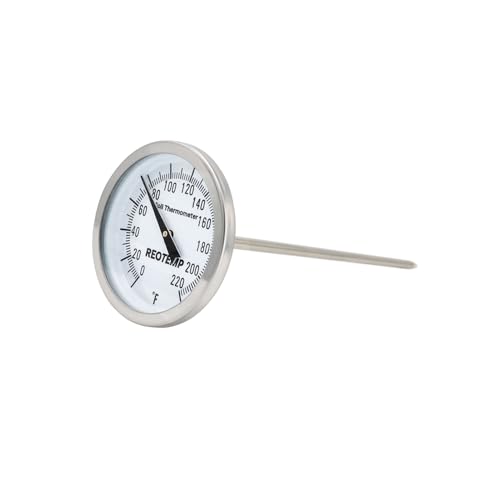
Corrosion Resistant 304 Stainless Steel Case, Bezel and 5" Stem
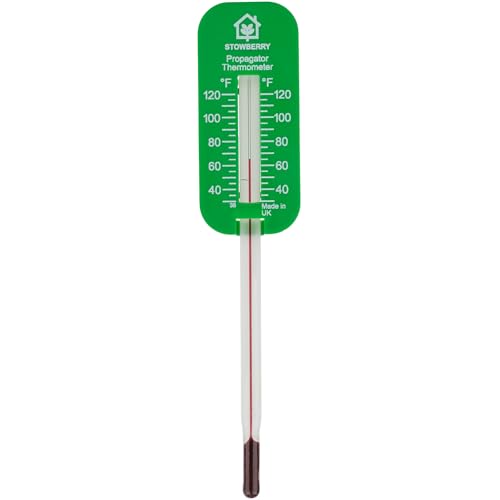
ACCURATE SOIL TEMPERATURE READINGS – Ensure the perfect growing environment for seeds and plants with this greenhouse soil thermometer, designed to give reliable and precise temperature measurements.
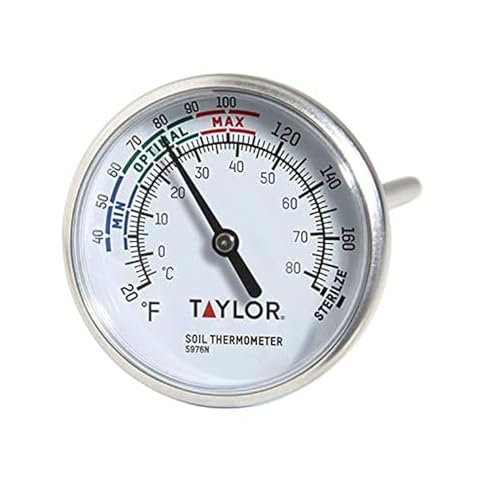
PRECISE SOIL TEMPERATURE READINGS: Measures soil temperatures from 20 degrees F to 180 degrees F (0 degrees C to 80 degrees C) with a large, easy-to-read analog dial face - no batteries or digital screens needed for reliable results every time
Optimal Temperature for Germination
Lettuce seeds thrive at a soil temperature between 60°F and 70°F. This range promotes quick and consistent germination. For example, if soil temperature registers at 65°F, expect seeds to sprout within 7 to 14 days. If you’re in areas where these temperatures aren’t achievable, consider using row covers or cold frames to regulate heat.
Effects of Temperature Variations
Temperature deviations significantly impact germination. Soil temperatures below 45°F can delay or even stop germination, while temperatures above 75°F can inhibit it entirely. For instance, if you plant in conditions that average 80°F, your seeds may remain dormant for weeks. It’s wise to monitor soil temperature consistently to avoid such setbacks. Keeping seeds within the ideal range fosters healthier seedlings and robust plants.
Factors Affecting Germination
Understanding various factors that affect lettuce germination helps you achieve successful growth. Key elements include soil temperature, moisture, and soil type, all of which play essential roles in the germination process.
Soil Temperature vs. Air Temperature
Soil temperature significantly influences lettuce germination. Ideally, soil should maintain temperatures between 60°F and 70°F. While air temperature can fluctuate, soil needs to remain in this specific range for quick germination. For example, if the air temperature is warm but the soil remains cold, germination slows. Use a soil thermometer to check the ground temperatures before planting.
Moisture and Its Role
Moisture is crucial for germination. Lettuce seeds require consistent moisture levels in the soil to sprout effectively. Too little moisture can dry out seeds, while excess moisture can lead to rot. Aim for soil that feels moist but not waterlogged. Consider using a spray bottle to mist the soil gently, ensuring even moisture distribution. Monitor the soil daily to maintain optimal conditions.
Tips for Successful Germination
Successful lettuce germination involves careful consideration of factors like seed selection and environmental conditions. Following these guidelines will boost your chances of a thriving lettuce garden.
Recommended Products

FIVE FLAVORFUL VARIETIES FOR A COMPLETE SALAD GARDEN SOLUTION. This lettuce seed pack includes black seeded simpson, red romaine, bibb, buttercrunch, and iceberg. Perfect for salads, wraps, smoothies, and toppings with fresh, homegrown flavors year-round.

4 Popular Heirloom Lettuce Varieties: Includes Red Romaine, Bibb Butterhead, Black Seeded Simpson, and Green Ice lettuce seeds to grow crisp, tender, and colorful salad greens with balanced flavor, texture, and visual appeal.
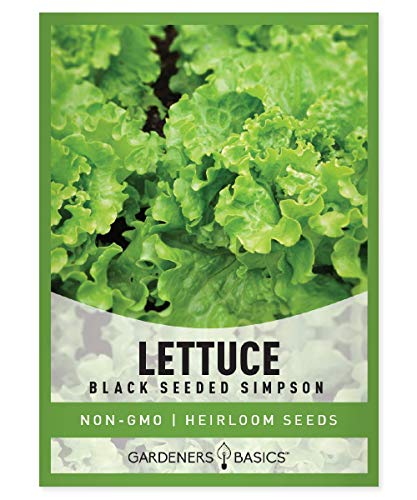
Black Seeded Simpson is a classic heirloom loose leaf lettuce with large, tender green leaves and a mild, sweet flavor. Harvest fresh leaves for salads, sandwiches, wraps, and other homegrown meals.
Seed Selection and Preparation
- Choose Quality Seeds: Select fresh, high-quality seeds from reliable suppliers. Look for varieties suited to your growing climate, such as Butterhead or Romaine.
- Store Properly: Store seeds in a cool, dry place to maintain their viability. Avoid exposure to moisture and temperature extremes.
- Soak Seeds: Soak seeds in water for a few hours before planting. This process can speed up germination and help break seed dormancy.
- Pre-sprouting: Consider pre-sprouting seeds on a damp paper towel. After a few days, plant seeds that show sprouting signs for improved germination rates.
- Maintain Optimal Temperature: Ensure soil temperatures stay between 60°F and 70°F. Use a soil thermometer to monitor temperatures regularly.
- Control Moisture Levels: Keep the soil consistently moist but not waterlogged. A light misting or gentle watering works best, particularly during the germination phase.
- Provide Adequate Light: If starting seeds indoors, use grow lights to provide 12-14 hours of bright light daily. This helps prevent leggy seedlings and promotes stronger growth.
- Ensure Good Drainage: Use well-draining soil or seed-starting mix to prevent water from pooling. Good drainage fosters healthier root systems for your lettuce plants.
Maintaining these practices enhances the likelihood of successful germination, leading to lush, healthy lettuce plants ready for harvest.
Conclusion
Getting your lettuce to germinate successfully can be a rewarding experience. By paying attention to the right temperature and moisture levels you can set the stage for healthy growth. Remember that proper seed selection and preparation can also make a big difference in your results.
With a little care and the right conditions you’ll be well on your way to enjoying fresh lettuce from your own garden. So grab those seeds and start planting—your future salads will thank you!
Frequently Asked Questions
What temperature is best for lettuce seed germination?
For optimal germination, lettuce seeds thrive in soil temperatures between 60°F and 70°F. Keeping the soil within this range encourages faster and more successful sprouting.
How important is moisture for germinating lettuce seeds?
Moisture is crucial for germination. Consistent moisture levels help seeds absorb water, which activates growth processes and promotes healthy sprouts.
What soil type is best for growing lettuce?
Lettuce grows best in well-drained, loamy soil rich in organic matter. This type of soil provides adequate drainage while retaining necessary moisture.
Should I soak lettuce seeds before planting?
Soaking lettuce seeds before planting can enhance germination rates by softening the seed coat and speeding up the sprouting process.
How can I provide adequate light for my lettuce plants?
Ensure that your lettuce plants receive 12-14 hours of light daily. Use natural sunlight or grow lights to maintain this light duration for healthy growth.
Why is good drainage important for lettuce?
Good drainage prevents waterlogging, which can lead to root rot and other diseases. Proper drainage ensures that lettuce roots remain healthy and strong.
