

Ever wondered how long it takes for lettuce seeds to sprout? You’re not alone. Many home gardeners face the same question, eager to see those vibrant greens pop up in their gardens. Timing is key, and knowing what to expect can make all the difference in your gardening success.
Key Takeaways
- Germination Timeline: Lettuce seeds typically germinate within 7 to 14 days, influenced by various factors like temperature and moisture.
- Ideal Conditions: Optimal soil temperatures for lettuce germination range from 60°F to 70°F (15°C to 21°C), with consistent moisture being essential for growth.
- Moisture Management: Maintaining the right moisture level is crucial—keep the soil moist, avoiding both waterlogged conditions and drought.
- Quality of Seeds: Fresh, high-quality seeds germinate faster than older or damaged seeds; investing in reliable sources can enhance your gardening success.
- Varietal Differences: Various lettuce types, such as leaf, head, and romaine, have unique germination timelines and growing preferences; understanding these can improve yield.
- Impact of Temperature: While higher temperatures can accelerate germination, they may also lead to bolting; thus, it’s vital to monitor soil temperature closely.
Understanding Lettuce Germination
Lettuce germination occurs when lettuce seeds sprout and begin to grow. Understanding this process helps you plan your gardening efforts effectively.
What Is Lettuce Germination?
Lettuce germination involves the transformation of a seed into a seedling. The process starts when seeds absorb moisture from the soil. This activates enzymes that kickstart growth. The seed coat splits, and the root, known as the radicle, emerges first, followed by the shoot. Timing for lettuce germination typically ranges from 7 to 14 days, depending on conditions, seed variety, and soil temperatures.
Importance of Germination Time
Germination time plays a critical role in your gardening success. Timing affects not only when you can start harvesting but also how well the plants establish themselves. For instance, if you plant too early, seeds may struggle in cold, damp soil. On the other hand, planting too late could lead to bolting in warm conditions. Understanding the ideal germination window ensures you can enjoy a bountiful harvest.
Factors Affecting Germination Time
Several factors play a critical role in the germination time of lettuce seeds. Understanding these factors helps ensure successful planting.
Recommended Products

PRECISE SOIL TEMPERATURE READINGS: Measures soil temperatures from 20 degrees F to 180 degrees F (0 degrees C to 80 degrees C) with a large, easy-to-read analog dial face - no batteries or digital screens needed for reliable results every time

Easy-to-read green, yellow, and red tick marks for easy monitoring
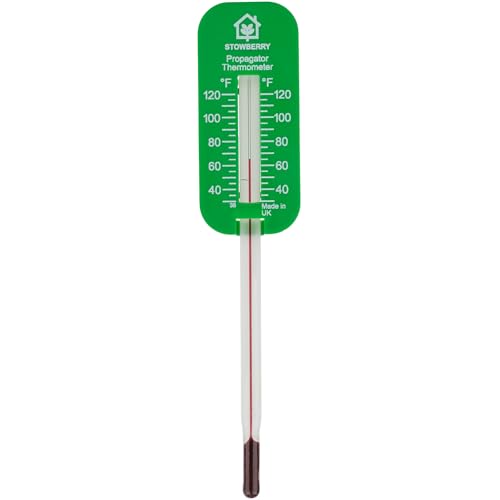
ACCURATE SOIL TEMPERATURE READINGS – Ensure the perfect growing environment for seeds and plants with this greenhouse soil thermometer, designed to give reliable and precise temperature measurements.
Temperature
Temperature significantly influences how quickly lettuce seeds germinate. Ideal soil temperatures range from 60°F to 70°F (15°C to 21°C).
- Higher temperatures, around 75°F (24°C), may speed up germination but can lead to bolting.
- Lower temperatures, under 50°F (10°C), might delay germination significantly.
Monitoring soil temperature ensures that seeds germinate within the optimal period.
Moisture Levels
Moisture is essential for the germination process. Proper moisture levels activate the enzymes that trigger seed growth.
- Keep the soil consistently moist but not waterlogged.
- Water the area gently, avoiding drying out or saturating the soil.
Achieving a balance in moisture promotes healthy seed sprouting.
Seed Quality
The quality of seeds affects germination time. High-quality, fresh seeds typically germinate faster than older or damaged seeds.
- Purchase seeds from reliable sources to ensure freshness.
- Check for any visible signs of damage or disease.
Investing in quality seeds leads to a more successful germination outcome and robust plants.
The Germination Process
Understanding how lettuce seeds germinate helps you achieve a successful harvest. The germination process breaks down into several key steps.
Recommended Products

4 Popular Heirloom Lettuce Varieties: Includes Red Romaine, Bibb Butterhead, Black Seeded Simpson, and Green Ice lettuce seeds to grow crisp, tender, and colorful salad greens with balanced flavor, texture, and visual appeal.
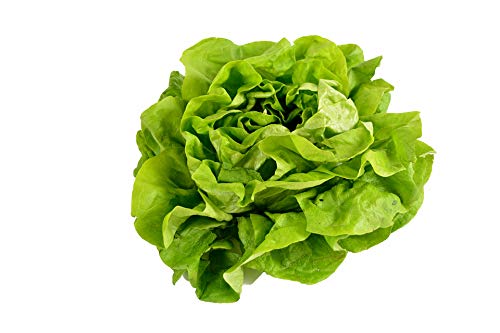
This lettuce is well known for its sweet flavor. Best if harvested in the morning.

Red Romaine: Features vibrant red-tinged leaves with green bases, offering a mild, slightly sweet flavor and crisp texture ideal for salads and garnishes.
Steps Involved in Germination
- Moisture Absorption: Seeds absorb moisture from the soil, triggering enzyme activation.
- Seed Swelling: As moisture enters, seeds swell and soften, preparing for sprouting.
- Radicle Emergence: The first root, called the radicle, pushes through the seed coat and penetrates the soil.
- Seedling Development: Following the root, the shoot breaks through the soil surface, signaling the start of leaf growth.
Typically, this entire process takes between 7 to 14 days, depending on various factors.
Ideal Conditions for Germination
To optimize lettuce germination, pay attention to the following conditions:
- Temperature: Soil temperatures between 60°F to 70°F (15°C to 21°C) promote quick growth. Higher temperatures can speed up the process but may lead to bolting.
- Moisture Levels: Keep the soil consistently moist, avoiding both waterlogging and drought. Moisture activates enzymes essential for germination.
- Seed Quality: Use high-quality, fresh seeds for better germination rates. Purchase from reliable sources to ensure they are not old or damaged.
By monitoring these factors, you enhance the likelihood of successful germination for your lettuce seeds.
Common Varieties of Lettuce
Different lettuce varieties each have unique characteristics and preferences. Understanding these can enhance your gardening efforts and yield flavorful results.
Leaf Lettuce
Leaf lettuce features loose, tender leaves that come in a range of colors, including green and red. This variety germinates relatively quickly, taking about 7 to 10 days. They thrive in cooler temperatures, making them ideal for early spring or fall planting. Popular types include Butterhead and Oakleaf, which can add both texture and flavor to your salads.
Head Lettuce
Head lettuce, often known for its compact shape, forms solid heads as it matures. Varieties such as Iceberg and Butterhead typically take around 10 to 14 days to germinate. Ensure adequate spacing when planting, as these varieties require room to grow. Head lettuce tends to prefer slightly warmer conditions, so planting might be better in late spring.
Romaine Lettuce
Romaine lettuce, recognized by its elongated leaves, provides a crisp texture perfect for salads and wraps. It usually germinates in 7 to 12 days and is suitable for various growing seasons. This variety is more heat-tolerant compared to others, making it a good choice for summer gardens. Examples include the classic Romaine and the Sweet Romaine, both known for their hearty taste and versatility.
Conclusion
Knowing how long lettuce takes to germinate can make a real difference in your gardening journey. By keeping an eye on temperature moisture and seed quality you can set yourself up for success. Remember that patience is key as you wait for those little sprouts to emerge.
With the right conditions your lettuce can thrive and provide you with a delicious harvest. Whether you’re growing leaf lettuce head lettuce or romaine each variety has its unique traits that can enhance your garden. So get ready to enjoy the fruits of your labor and happy gardening!
Frequently Asked Questions
How long does it take for lettuce seeds to sprout?
Lettuce seeds typically sprout within 7 to 14 days under optimal conditions. The exact timing can vary based on factors like temperature, moisture levels, and seed variety.
What affects the germination time of lettuce seeds?
Germination time for lettuce seeds is influenced by soil temperature, moisture levels, and seed quality. Ideal soil temperatures are between 60°F to 70°F, with consistent moisture being crucial for successful growth.
What is the ideal soil temperature for lettuce germination?
The ideal soil temperature for germinating lettuce seeds ranges from 60°F to 70°F (15°C to 21°C). Maintaining these temperatures promotes better germination rates and seedling health.
Why is proper timing important in gardening?
Proper timing is essential because it impacts seed establishment and can prevent issues like bolting, which affects overall harvest yield. Understanding the ideal germination window increases the chances of a successful crop.
What are common types of lettuce and their sprouting times?
Leaf lettuce typically germinates in 7 to 10 days, head lettuce in 10 to 14 days, and romaine lettuce in 7 to 12 days. Each type has unique characteristics and temperature preferences.
How do I ensure my lettuce seeds germinate successfully?
To ensure successful germination, use high-quality, fresh seeds, maintain proper soil temperatures (60°F to 70°F), and keep the soil consistently moist without overwatering.
Where should I buy lettuce seeds for best quality?
It’s best to purchase lettuce seeds from reliable sources, such as trusted gardening stores or certified seed companies, to ensure seed freshness and higher germination rates.
