

Have you ever wondered when the perfect moment is to harvest your lettuce? You’re not alone. Many home gardeners face the challenge of knowing when their greens are ready to enjoy.
Key Takeaways
- Signs of Readiness: Harvest lettuce when leaves are 4-6 inches long, exhibit vibrant color, feel firm, and for heading varieties, reach a height of 8-12 inches.
- Best Harvesting Time: Morning is the ideal time to pick lettuce to maximize flavor and freshness; avoid harvesting during warm weather to prevent bitterness from flowering.
- Continuous Picking: For leaf lettuce, remove outer leaves first to promote ongoing growth and multiple harvests throughout the season.
- Essential Tools: Use garden scissors, gloves, a basket, and optionally, a trowel and measuring tape to simplify the harvesting process.
- Post-Harvest Care: Rinse, dry, and store lettuce immediately in the refrigerator. Use within a week for peak freshness and consider wrapping heads in damp paper towels to maintain moisture.
Understanding When to Harvest Lettuce
Knowing the right time to harvest lettuce can greatly enhance the flavor and texture of your greens. Pay attention to the signs of readiness and consider the ideal harvesting time to ensure you enjoy perfectly fresh lettuce.
Signs of Readiness
Look for specific signs when checking lettuce for harvest:
- Leaf Size: Harvest lettuce when leaves reach about 4 to 6 inches in length for most varieties.
- Leaf Color: Vibrant green leaves indicate freshness, while dull or yellowing leaves suggest that harvesting time has passed.
- Firmness: Gently squeeze the head; it should feel firm but not hard. A soft head indicates overripeness.
- Plant Height: For romaine and other heading varieties, harvest when the plant is about 8 to 12 inches tall.
- Morning Harvest: Pick your lettuce in the early morning for the best flavor. The cooler temperatures retain moisture and freshness.
- Before Flowering: Aim to harvest before the plant bolts or flowers, which often occurs in warm weather. Flowering can cause bitterness in leaves.
- Continuous Picking: For leaf lettuce, consider picking outer leaves first, leaving the inner ones to continue growing. This method allows for ongoing harvest throughout the season.
- Seasonal Awareness: Be mindful of seasonal changes, as temperatures above 80°F can trigger quicker bolting. Adjust your harvesting schedule accordingly.
Tools You Need for Harvesting
Gathering the right tools simplifies the process of harvesting lettuce. You’ll need a few essentials to ensure a smooth experience.
Recommended Products

HERB GARDENING ESSENTIAL: Stainless steel blade plant shears with sheath ideal for harvesting herbs outdoors or with a window herb garden for kitchen; encourages overall lawn and garden health, or perfect gift to go with any indoor herb garden kit

GARDENING ESSENTIAL: With these stainless steel blade gardening shears, pruning tasks like cutting flower stems or maintaining your herb garden are easier with fast and clean cuts

Precision 1.75" Curved Blade for Detailed Cutting – Needle-nose curved blade design provides exceptional control for pruning in tight spaces, making it ideal for harvesting grapes, trimming herbs, thinning fruit, and deadheading delicate flowers.
Essential Tools
- Garden scissors or shears: Use these to cut lettuce cleanly without damaging the plant. Sharp blades offer precision.
- Garden gloves: Protect your hands from dirt and potential irritants while handling the lettuce and soil.
- Basket or container: Line up a sturdy basket or container to collect the harvested heads. This helps keep your lettuce safe and fresh.
- Trowel: Optional but useful for loosening soil around the roots if you’re dealing with whole heads.
- Bucket: A larger option for collecting multiple heads, especially useful for bigger harvests.
- Measuring tape: Handy for checking plant height if you’re unsure your lettuce is ready to harvest.
- Labeling tags: If you’re harvesting from multiple varieties, tags can help identify what’s what in your collection.
Techniques for Harvesting Lettuce
Harvesting lettuce requires the right approach to ensure quality and flavor. Two effective techniques include hand harvesting and using tools for a smoother process.
Recommended Products

K115 Crop Harvest Knife, 7.25-Inch Blade, is designed for trimming lettuce, greens, and soft-stemmed vegetables.
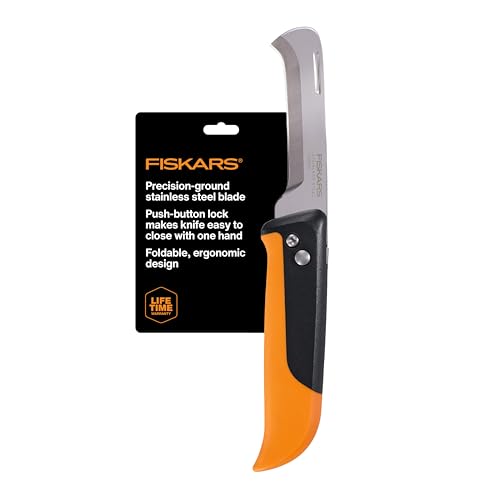
FOLDING PRODUCE KNIFE: Ideal for clean, precise harvesting of smaller garden stalks and stems

Hand Harvesting
Hand harvesting is a simple and effective method. Start by selecting the outer leaves of the plant. Grasp these leaves firmly at their base. Pull gently, but use a twisting motion to prevent damage to the plant. Aim to remove no more than one-third of the leaves at a time. This promotes continued growth and allows for multiple harvests. Always wash your hands before and after harvesting to maintain hygiene.
Using Tools for Harvesting
Using tools can make harvesting easier and cleaner. Garden scissors or shears are ideal for making precise cuts. Position the scissors just above the base of the stem and snip cleanly. Garden gloves protect your hands while handling plants. If the soil is compact, a trowel loosens it around the roots, preventing damage. For larger harvests, a bucket can hold your collection, making it easier to transport. Measuring tape ensures you’re picking at the right size, and labeling tags help you differentiate varieties for future reference.
Post-Harvest Care
Proper care after harvesting enhances the quality and longevity of your lettuce. By following these steps, you maintain freshness and flavor.
Recommended Products

Maximum Lettuce-Drying, Minimum Effort: Use the OXO Salad Spinner's one-handed pump to thoroughly dry greens, beans, even use it as a fruit washer. The salad spinners best rated always include a superior rinse, spin, and dry like ours

PRODUCE STORAGE CONTAINER + COLANDER: This produce saver features an adjustable air vent & water reservoir to create the ideal environment for fresh fruits & vegetables, keeping them fresh longer.

One-Touch OXO Salad Spinner: Did you know that OXO invented the one-touch salad spinner? Its one-handed pump gives you maximum drying of lettuce with minimum effort
Cleaning and Storing Lettuce
- Rinse your lettuce immediately after harvesting. Use cool, running water to remove any dirt or insects.
- Pat the leaves dry with a clean kitchen towel or use a salad spinner for thorough drying. Excess moisture can lead to spoilage.
- Store the cleaned lettuce in a container or a plastic bag lined with a paper towel. The towel absorbs moisture, keeping the lettuce crispy.
- Place the container in the refrigerator. Opt for the crisper drawer for optimal humidity levels.
- Inspect your harvested lettuce carefully. Look for any damaged or wilted leaves and remove them immediately.
- Use the lettuce within a week for the best taste and texture. While it lasts longer, freshness diminishes over time.
- Consider wrapping whole heads of lettuce in a damp paper towel before placing them in a bag. This method maintains moisture without causing sogginess.
- Avoid washing the lettuce until you’re ready to use it. Pre-washing can promote faster spoilage.
Maintaining careful post-harvest care ensures you enjoy crisp, flavorful lettuce in your meals.
Conclusion
Harvesting lettuce can be a rewarding experience that brings fresh flavors to your table. By paying attention to the signs of readiness and using the right tools, you can enjoy a bountiful harvest. Remember to pick in the early morning and handle your greens gently to keep them crisp and delicious.
With a bit of care during the harvesting process and proper storage afterward, you’ll be able to savor your homegrown lettuce for days. So get out there and enjoy the fruits of your labor. Happy harvesting!
Frequently Asked Questions
When is the best time to harvest lettuce?
The ideal time to harvest lettuce is when the leaves are about 4 to 6 inches long and the plant is firm. For romaine varieties, the height should be around 8 to 12 inches. Early morning is the best time for harvesting to ensure optimal flavor.
What are the signs that lettuce is ready to be picked?
Look for vibrant green color, firm leaves, and appropriate size (4 to 6 inches for leaf lettuce and 8 to 12 inches for romaine). Watch for any signs of bolting or flowering, as this can indicate a decline in flavor and texture.
How do I harvest lettuce without damaging the plant?
When hand harvesting, select the outer leaves, grasp them firmly at the base, and gently twist to avoid damage. It’s essential to remove no more than one-third of the leaves at a time to promote ongoing growth.
What tools do I need for harvesting lettuce?
Essential tools include garden scissors or shears for clean cuts, garden gloves for protection, and a basket or container for collecting the harvested lettuce. Optional tools may include a trowel and measuring tape.
How should I care for lettuce after harvest?
After harvesting, rinse the lettuce with cool, running water to remove dirt. Pat the leaves dry, and store them in a container or plastic bag lined with a paper towel in the refrigerator’s crisper drawer to maintain freshness.
How long can harvested lettuce last?
For optimal taste, it is best to use harvested lettuce within a week. Inspect for damaged leaves before use and avoid pre-washing, as this can lead to quicker spoilage.
