

Have you ever wondered how long it takes for your homegrown lettuce to go from seed to salad? If you’ve tried planting lettuce, you know the excitement of watching those tiny seeds sprout. But timing can be tricky, and knowing when to harvest can make all the difference in taste and texture.
Key Takeaways
- Growth Stages: Lettuce matures through distinct stages: germination (7-14 days), seedling, vegetative (3-6 weeks), and maturity (30-85 days depending on variety).
- Varietal Differences: Leafy lettuce matures faster (30-60 days) compared to head lettuce (60-85 days) and romaine (70-80 days).
- Environmental Factors: Ideal growing temperatures range from 60°F to 70°F; soil quality and consistent watering are crucial for optimal growth.
- Watering Techniques: Maintain consistent soil moisture by watering deeply once or twice weekly to support root development without waterlogging.
- Harvesting Tips: For best taste, harvest lettuce in the morning, checking for firmness and color; cut whole heads or pick outer leaves for continued growth.
- Companion Planting: Pair lettuce with compatible plants such as carrots and radishes to improve growth conditions and deter pests naturally.
Understanding Lettuce Growth
Lettuce growth involves various stages before reaching maturity. Understanding these stages helps you efficiently plan your planting and harvesting.
Germination Stage
Lettuce seeds need proper conditions to germinate. Ideal temperatures range from 60°F to 70°F. Under these conditions, seeds typically germinate within 7 to 10 days.
Seedling Stage
Once seeds germinate, seedlings emerge. Seedlings require adequate light, moisture, and spacing for healthy growth. Thin seedlings to 2-3 inches apart, ensuring sufficient room for their roots to expand.
Vegetative Growth Stage
During this stage, lettuce grows its leaves. This phase lasts from 3 to 6 weeks, depending on the variety. You can also fertilize your plants with a balanced fertilizer every few weeks, promoting lush leaf development.
Maturity Stage
Lettuce varieties differ in their time to maturity. Generally, leafy types mature in 30 to 60 days, while head types take 60 to 85 days. Inspect your plants; they should feel firm and vibrant when ready for harvest.
- Watering: Keep soil consistently moist, avoiding both dryness and waterlogging.
- Sunlight: Ensure your lettuce receives full sun for at least 6 hours daily.
- Harvesting: Harvest in the morning for the freshest taste. Cut leaves or whole heads based on your needs.
By understanding these growth stages, you can optimize your lettuce cultivation for the best results.
Factors Influencing Maturation Time
Several factors impact how long it takes lettuce to mature. Understanding these elements helps you cultivate a healthier crop.
Recommended Products

✓ Consistent & Uniform Heating: BN-LINK seedling heat mat for seed starting maintains temperatures around 70–85℉, creating ideal conditions for seed starter and cutting propagation, speeding up seed germination and accelerating seedlings growth. The advanced heating film with double insulation layers ensures even heat and prevents scorching roots.

Reliable Results: The VIVOSUN professional heat mat maintains optimal temperatures around 68-86℉ (20-30℃), perfect for Seedling start and cutting propagation; Made from durable PVC material, it's designed to last
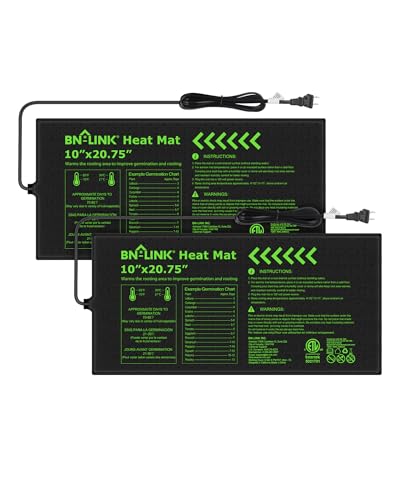
IDEAL GERMINATION TEMPERATURE: The BN-LINK seedling heat mats for seed starting helps maintain temperatures around 70°F to 85°F, the optimal range for seed germination, cutting propagation, and healthy seedling growth. Achieve faster germination and higher growth rates with seed heating mat.
Temperature
Temperature significantly affects lettuce growth and maturation time. Ideal temperatures range from 60°F to 70°F (15°C to 21°C). In warmer conditions, lettuce matures faster; however, excessive heat can cause bolting, leading to bitter leaves. If you’re growing lettuce outside these temperature ranges, maturation may delay or result in poor quality.
Soil Quality
Soil quality plays a crucial role in how quickly lettuce matures. Loose, well-draining soil rich in organic matter supports healthy root systems. A soil pH of 6.0 to 6.8 ensures proper nutrient absorption. Testing your soil before planting and amending it with compost can enhance its quality, ultimately speeding up the maturation process.
Watering Practices
Effective watering practices contribute to quicker lettuce maturation. Consistent moisture promotes optimal growth. Water lettuce deeply once or twice a week, ensuring the soil remains damp but not waterlogged. Overwatering can lead to root rot and slower growth. Implementing a drip irrigation system can help maintain proper moisture levels.
Different Types of Lettuce
Lettuce comes in various types, each with unique characteristics and growth requirements. Understanding these types helps you choose the best variety for your garden.
Leaf Lettuce
Leaf lettuce matures quickly, typically within 30 to 45 days after planting. It features loose leaves that can be harvested at any time. Varieties include butterhead and loose-leaf types, like Red Romaine and Black Seeded Simpson. Leaf lettuce thrives in cooler temperatures, so plant it in early spring or late summer for best results.
Head Lettuce
Head lettuce forms a tight, compact head, and generally matures in 60 to 75 days. Varieties such as Iceberg and Butterhead fall into this category. These types prefer consistent watering and well-drained soil. For optimal growth, plant head lettuce when temperatures are mild, avoiding the heat of summer.
Romaine Lettuce
Romaine lettuce takes about 70 to 80 days to mature. It has a taller, upright growth and thick, crunchy leaves. Popular varieties include Paris Island and Little Gem. Romaine tolerates heat better than other lettuces, making it suitable for late spring and summer planting. To ensure a good harvest, provide adequate water and ensure plenty of sunlight.
General Timeline for Maturation
Understanding the general timeline for lettuce maturation helps you plan your gardening effectively. Here’s a breakdown of the key stages involved.
Germination Stage
Lettuce seeds typically germinate within 7 to 14 days. Warm, moist soil enhances germination rates. Aim for soil temperatures around 65°F to 70°F for optimal results. Keep the soil consistently moist but not soggy. Use a seed starting mix for better drainage.
Growth Stage
After germination, your lettuce will enter the growth stage, lasting approximately 4 to 6 weeks. During this time, seedlings develop leaves and roots. Provide at least 12 to 16 hours of light daily, which can be achieved with grow lights or by placing seedlings in a sunny window. Maintain soil moisture with regular watering. Fertilizing with a balanced nutrient formula can support healthy development.
Harvesting Stage
Lettuce reaches maturity within 30 to 70 days from planting, depending on the variety. Leaf lettuce can be harvested early, while head varieties require a longer growing period. Check for firmness and vibrancy in color before harvesting. Cut the head close to the base or pick leaves selectively for continuous growth. Always use clean, sharp tools to prevent disease.
Tips for Successful Lettuce Cultivation
Recommended Products

Healthy Food Source: Because of its tender flavor, lettuce is a popular vegetable for salad, sandwiches, wraps, soups, stir-fries and juice. There are over 20,000 seeds, 10 kinds of lettuce collection, including bibb, boston, iceberg, buttercrunch, grand rapids TBR, oakleaf, ruby leaf, cimmaron romaine and waldmann's

Complete Lettuce Garden Starter Kit Indoor – 5 heirloom salad and green seed packets, 8 biodegradable soil disks, 8 plant markers, and 8 starter pots. Romaine, Spinach, Arugula, Kale and Buttercrunch lettuce heirloom seeds are the star of the set!

EASIER SEED STARTING: Our Burpee SuperSeed tray with 8 extra-large flexible pop-out cells is designed to simplify indoor seed starting. Just add seed starting mix, seeds, water and light to get growing! Perfectly sized for starting seeds in the windowsill: 11.5" x 5-3/16" x 2-1/4". Rows are labeled alphanumerically for seedling identification with included Plant-o-Gram diagram.
Select the Right Variety
Choose varieties based on your climate and intended use. Leaf Lettuce matures quickly, typically in 30 to 45 days. Head Lettuce takes 65 to 80 days, while Romaine Lettuce usually requires around 70 days.
Optimize Soil Conditions
Ensure soil is well-draining and rich in organic matter. Aim for a pH level between 6.0 and 7.0. Incorporate compost or aged manure before planting.
Maintain Appropriate Temperature
Lettuce thrives in cooler weather, with ideal temperatures between 60°F and 70°F. If temperatures exceed 75°F, lettuce may bolt. Use shade cloth during hotter days to regulate temperature.
Water Consistently
Water your lettuce deeply and consistently. Keep the soil evenly moist but not soggy. Drip irrigation systems or soaker hoses provide efficient moisture without wetting the foliage.
Implement Companion Planting
Consider planting lettuce with companions like carrots and radishes. They benefit from similar growing conditions and can help deter pests naturally.
Fertilize Wisely
Apply a balanced fertilizer or compost tea every 3-4 weeks. Look for products with an N-P-K ratio of around 10-10-10 to support leafy growth.
Monitor for Pests
Inspect your plants regularly for aphids, slugs, and snails. Apply organic pest control methods like neem oil or hand-picking to manage infestations.
Harvest at the Right Time
For optimal flavor and tenderness, harvest lettuce in the morning. Use a clean, sharp knife or scissors to cut at the base of the plant. If you’re growing Leaf Lettuce, pick outer leaves first to encourage continued growth.
Store Properly
After harvesting, store lettuce in a damp paper towel and place it in a plastic bag in the refrigerator. Proper storage prolongs freshness for up to a week.
Conclusion
Growing your own lettuce can be a rewarding experience that brings fresh flavors to your meals. By understanding the growth timeline and the specific needs of each variety you choose, you can enjoy a bountiful harvest right from your garden.
Pay attention to factors like soil quality and watering practices to ensure your lettuce thrives. With a little patience and care, you’ll be able to enjoy crisp, delicious lettuce in no time. So grab your seeds and get started on your journey to homegrown goodness. Happy gardening!
Frequently Asked Questions
How do I start growing lettuce at home?
To start growing lettuce at home, choose a suitable variety based on your climate. Ensure quality soil with good drainage and prepare your garden bed or containers. Plant seeds about ¼ to ½ inch deep and keep the area moist. Consistent watering and sunlight are essential for successful germination.
What types of lettuce are there?
There are several types of lettuce, including Leaf Lettuce, Head Lettuce, and Romaine Lettuce. Each type has specific growth requirements and flavors, making them suitable for different dishes. Choose the variety that best fits your culinary needs and local growing conditions.
How often should I water my lettuce?
Lettuce requires consistent moisture to grow well. Water your plants regularly, aiming for about 1 to 2 inches of water per week, depending on the weather. Avoid letting the soil dry out completely, as this can lead to bitter tasting leaves.
What is the best time to harvest lettuce?
The best time to harvest lettuce depends on the variety. Leaf lettuce can be harvested when the leaves are large enough to eat, usually about 30 days after planting. For head lettuce, wait until the heads are firm and fully developed, typically around 60 to 80 days.
How can I keep my lettuce fresh after harvesting?
To keep harvested lettuce fresh, avoid washing it until you’re ready to eat. Store it in a plastic bag in the refrigerator to maintain moisture. Using a paper towel inside the bag can help absorb excess moisture and prolong freshness.
What pests should I watch for when growing lettuce?
Common pests that affect lettuce include aphids, slugs, and snails. Regularly check your plants for signs of damage and use organic pest control methods, like neem oil or insecticidal soap, to protect your crop from unwanted invaders.
Can I grow lettuce indoors?
Yes, you can grow lettuce indoors! Use containers with quality potting soil and place them near a sunny window or under grow lights. Ensure you provide adequate moisture and monitor for pests just like you would for outdoor plants.
What soil is best for growing lettuce?
Lettuce thrives in loose, well-draining soil enriched with organic matter. A sandy loam or a good-quality potting mix works well. Aim for a soil pH between 6.0 and 7.0 for optimal growth.
How do I fertilize my lettuce plants?
Fertilize your lettuce plants with a balanced, organic fertilizer every 4-6 weeks. Avoid high nitrogen fertilizers, which may cause rapid leaf growth and poor flavor. Follow package instructions for the correct application rate to ensure healthy growth.
What is companion planting for lettuce?
Companion planting involves growing different plants together to enhance growth and deter pests. Good companions for lettuce include carrots, radishes, and herbs like dill or cilantro. These plants can help attract beneficial insects and improve overall garden health.
