

Pepper plants can grow between 1 to 4 feet tall depending on the variety and growing conditions. Proper care, including sunlight, water, and soil quality, directly influences their growth potential.
Pepper Plant Growth Characteristics by Variety
Understanding the growth characteristics of different pepper plant varieties is essential for successful cultivation. Each type exhibits unique traits, including height, spread, and overall growth habits, which can significantly influence planting strategies and care requirements. This section delves into the specific growth patterns of various pepper plants, helping you make informed choices for your garden.
Different pepper plant varieties exhibit distinct growth characteristics. Common types include bell peppers, jalapeños, and habaneros. Each variety has unique height and spread, influencing how they fit into your garden.
Bell Peppers: Typically grow 1 to 3 feet tall.
Jalapeños: Usually reach 2 to 3 feet in height.
Habaneros: Can grow up to 4 feet tall.
The growth rate also depends on factors like soil quality and climate conditions. Knowing the specific needs of each variety helps in planning your garden layout effectively.
Factors Affecting Pepper Plant Size
The size of pepper plants can vary significantly based on several key factors. Understanding these influences is essential for gardeners looking to optimize growth and yield. From environmental conditions to care practices, each element plays a crucial role in determining how large these plants can grow.
Several factors significantly influence how large pepper plants grow. Understanding these can help you optimize your gardening efforts.
Sunlight: Pepper plants thrive in full sun, requiring at least 6-8 hours of direct light daily.
Watering: Consistent moisture is essential. Overwatering or underwatering can stunt growth.
Soil Quality: Well-draining soil with rich organic matter promotes healthy growth.
Temperature: Ideal temperatures range from 70°F to 85°F during the day.
Monitoring these conditions allows for better management of your plants’ growth.
Pepper Plant Growth Height Data
Understanding the growth height of pepper plants is essential for gardeners and horticulturists alike. This section compiles key data on the average heights of various pepper plant varieties, providing insights into their growth patterns and helping you make informed decisions for your gardening projects. Explore the specifics to ensure your plants thrive in their designated spaces.
| Pepper Variety | Average Height | Growth Habit | Days to Maturity |
|---|---|---|---|
| Bell Pepper | 1-3 feet | Bushy | 70-90 days |
| Jalapeño | 2-3 feet | Upright | 70-85 days |
| Habanero | 3-4 feet | Spreading | 90-120 days |
| Banana Pepper | 2-3 feet | Bushy | 60-75 days |
This table summarizes the average growth characteristics of popular pepper varieties, helping you choose the right plants for your garden.
Essential Steps for Successful Pepper Growth
Successfully growing pepper plants requires attention to several key factors that influence their development. From selecting the right variety to understanding optimal growing conditions, each step plays a crucial role in ensuring healthy plants and a bountiful harvest. This section outlines the essential steps you need to follow for thriving pepper growth.
Growing pepper plants requires careful planning and execution. Here are essential steps to ensure successful growth.
Select the Right Variety: Choose based on your climate and culinary preferences.
Prepare the Soil: Amend with compost to enhance fertility.
Plant at the Right Time: Wait until the danger of frost has passed.
Water Regularly: Maintain consistent moisture, especially during dry spells.
Fertilize Appropriately: Use a balanced fertilizer during the growing season.
Following these steps will maximize your pepper plants’ growth potential.
Pepper Plant Growth Challenges and Remedies
Growing pepper plants can present various challenges that affect their development and yield. Understanding these obstacles is crucial for any gardener looking to cultivate healthy, productive plants. This section explores common growth issues faced by pepper plants and offers practical remedies to help ensure a thriving garden.
Pepper plants may face several growth challenges. Identifying and addressing these issues can significantly improve yield.
Pests: Aphids and spider mites can damage plants. Use insecticidal soap as a treatment.
Diseases: Fungal infections like powdery mildew can occur. Ensure good air circulation and avoid overhead watering.
Nutrient Deficiency: Yellowing leaves may indicate a lack of nitrogen. Apply a nitrogen-rich fertilizer to remedy this.
Regular monitoring and prompt action can prevent these issues from hindering growth.
Recommended Products

PEST DEFENSE - Insecticidal Super Soap controls species of adelgid, ant, aphid, borer, caterpillar, spider mite, cricket, chinch bug, weevil, fly, thrip, & more.
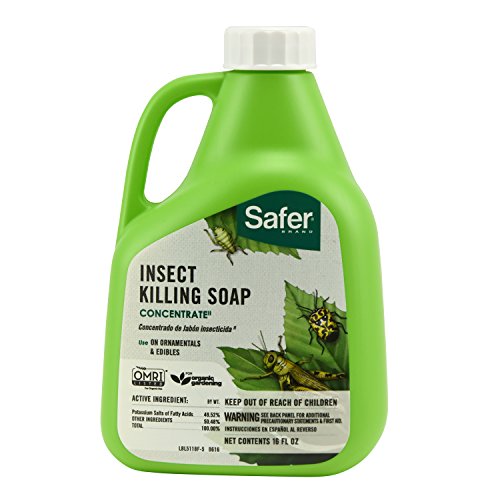
GENTLE ON MOST PLANTS - This aphid spray is ideal for use on flowers, herbs, vegetables, houseplants, lawn, tree, shrubs, and more

EASY TO USE: The ready-to-use indoor bug spray bottle makes application easy
Pepper Plant Harvesting Guidelines
Understanding the right time and method for harvesting pepper plants is crucial for maximizing yield and flavor. This section provides essential guidelines on when to pick your peppers, ensuring you enjoy the best taste and quality from your garden. Follow these tips to make the most of your pepper harvest.
Understanding when and how to harvest your peppers is crucial. Harvesting at the right time ensures maximum flavor and quality.
Timing: Most peppers are ready to harvest when they reach full size and color.
Technique: Use scissors or pruning shears to cut peppers from the plant to avoid damage.
Expect yields to vary based on plant size and health. A healthy plant can produce several dozen peppers in a season.
Pepper Plant Growth Size Insights
Understanding the growth size of pepper plants is essential for gardeners and enthusiasts alike. This section delves into the typical height and spread of various pepper plant varieties, providing insights into their growth habits and environmental needs. By grasping these dimensions, you can better plan your garden layout and care for your plants effectively.
Pepper plants can vary significantly in size and yield based on variety and care. Understanding these factors enables better planning and management for a successful harvest.
