

Growing sweet potatoes in a container is a straightforward process that allows for flexibility in space and soil quality. By selecting the right container and following specific care guidelines, you can enjoy a bountiful harvest of this nutritious tuber.
Essential Supplies for Container Sweet Potatoes
Growing sweet potatoes in containers can be a rewarding endeavor, but having the right supplies is crucial for success. This section outlines the essential tools and materials you will need to create an ideal environment for your sweet potato plants, ensuring they thrive and produce a bountiful harvest. Understanding these basics will set you on the path to a fruitful container garden.
Before starting, gather all necessary supplies to ensure a successful growing experience. You will need a large container, quality potting mix, and healthy sweet potato slips. Consider the following items for optimal growth:
| Item | Purpose |
|---|---|
| Large container | Provides ample space for root growth |
| Potting mix | Ensures good drainage and nutrients |
| Sweet potato slips | Source of new plants |
| Watering can | For consistent moisture |
| Fertilizer | Supports healthy growth |
Choose a container that is at least 15 gallons to accommodate the root system. Ensure it has drainage holes to prevent waterlogging.
Container and Soil Preparation for Sweet Potatoes
Growing sweet potatoes in containers requires careful preparation to ensure optimal conditions for their growth. Selecting the right container and soil type is crucial for providing the necessary drainage and nutrients. This section will guide you through the essential steps to set up your container and soil for a successful sweet potato harvest.
Proper preparation of the container and soil is crucial for sweet potato growth. Fill the container with a mix of potting soil and compost to enhance nutrient content.
Fill the container with potting mix, leaving about 2 inches from the top.
Mix in compost for added nutrients.
Water the soil until it is evenly moist but not soggy.
This preparation creates a healthy environment for the sweet potatoes to thrive.
Optimal Timing for Planting Sweet Potato Slips
Timing is crucial for successfully growing sweet potatoes in containers. Understanding the best time to plant sweet potato slips can significantly impact your yields, ensuring that the plants thrive in the right conditions. This section will guide you through the optimal planting schedule to maximize your harvest.
Timing and technique are essential when planting sweet potato slips. Plant them after the last frost date when the soil temperature reaches at least 65°F.
Select healthy slips with green leaves.
Plant slips about 12 inches apart in the container.
Cover the roots with soil, leaving the leaves exposed.
Ensure the slips are planted deep enough to stabilize them as they grow.
Watering Techniques for Container Sweet Potatoes
Proper watering is crucial for the successful growth of sweet potatoes in containers. Understanding the specific moisture needs of these plants will help ensure they thrive, producing healthy tubers. This section will explore effective watering techniques tailored to container gardening, allowing you to optimize your sweet potato yield.
Consistent watering and appropriate fertilization are key to growing sweet potatoes successfully. Sweet potatoes require regular moisture but do not tolerate soggy soil.
Water the plants weekly, ensuring the soil remains moist.
Fertilize every four weeks with a balanced fertilizer, following package instructions.
Monitor the moisture level and adjust watering frequency based on weather conditions.
Optimal Sunlight and Temperature for Sweet Potatoes
To successfully grow sweet potatoes in a container, understanding their environmental needs is crucial. This section delves into the optimal sunlight and temperature conditions necessary for promoting healthy growth and maximizing yield. By creating the right environment, you can ensure your sweet potato plants thrive throughout their growing season.
Sweet potatoes thrive in full sun and warm temperatures. Position your container in a location that receives at least six hours of direct sunlight daily.
Choose a sunny spot on a patio or balcony.
Monitor temperatures, as sweet potatoes prefer 70°F to 85°F.
If temperatures drop, consider moving the container indoors or using row covers to protect the plants.
Pest and Disease Management Strategies
Growing sweet potatoes in containers can be rewarding, but managing pests and diseases is crucial for a successful harvest. Understanding common threats and implementing effective strategies will help protect your plants and ensure robust growth. This section covers essential management techniques to keep your sweet potato crop healthy and thriving.
Keeping an eye on pests and diseases can prevent damage to your sweet potato plants. Common issues include aphids and fungal infections.
Inspect plants regularly for signs of pests.
Use organic insecticidal soap if pests are detected.
Remove any diseased leaves to prevent spread.
Taking these precautions will help maintain healthy plants and a fruitful harvest.
Recommended Products

READY-TO-USE CONTACT SPRAY: No mixing required. Thoroughly spray insecticide on all plant parts, including the underside of leaves. Pests must be sprayed directly to achieve control

PEST DEFENSE - Insecticidal Super Soap controls species of adelgid, ant, aphid, borer, caterpillar, spider mite, cricket, chinch bug, weevil, fly, thrip, & more.

Specially-formulated pesticidal soap to protect plants
Optimal Timing for Sweet Potato Harvest
Understanding the optimal timing for harvesting sweet potatoes is crucial for achieving the best flavor and texture. This section will guide you through the signs of readiness and the ideal conditions for harvesting, ensuring that your container-grown sweet potatoes reach their full potential. Timing your harvest correctly can make all the difference in your culinary experience.
Knowing when to harvest is crucial for the best flavor and texture. Sweet potatoes are typically ready to harvest 90 to 120 days after planting.
Check the foliage; when leaves start to yellow, it’s time.
Gently dig around the base of the plant to uncover tubers.
Handle harvested sweet potatoes carefully to avoid bruising.
Store harvested sweet potatoes in a cool, dark place for optimal flavor.
Sweet Potato Growth Problem Solutions
Growing sweet potatoes in a container can lead to unique challenges that may hinder your crop’s success. Understanding common growth problems and their solutions is essential for ensuring a bountiful harvest. This section will address typical issues you might encounter and provide practical strategies to overcome them.
Understanding potential problems can help you address them promptly. Common issues include poor growth and yellowing leaves.
| Symptom | Primary Suspect | Difficulty (1-5) |
|---|---|---|
| Slow growth | Insufficient sunlight | 3 |
| Yellow leaves | Overwatering | 4 |
| Pest infestation | Aphids or beetles | 2 |
Addressing these issues quickly can lead to a successful harvest.
Recommended Products
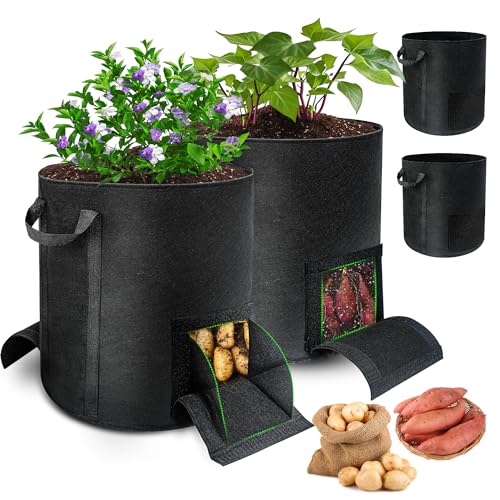
【Upgraded Dual-Window Design】The Downward-opening window keeps soil neatly contained while you pick ripe potatoes, and the clear observation window lets you check soil moisture and monitor ripeness at a glance.No digging, no mess - just easy, clean harvesting from your grow bags that keeps plants safe and healthy!

GROW SWEET POTATOS: Sweet potatoes are an excellent source of vitamins C and E and contain iron, fiber, and potassium. The tubers are also a good source of beta-carotene, which is an orange pigment that is converted into vitamin A in the body and helps to protect vision loss and improve the skin.

Container Care for Sweet Potato Growth
Growing sweet potatoes in containers can be a rewarding endeavor, but proper care is essential for a successful harvest. This section will explore the critical aspects of container maintenance, including watering, fertilization, and pest management, to ensure your sweet potato plants thrive in their confined environment. Understanding these fundamentals will help you maximize your yield and enjoy a bountiful crop.
Growing sweet potatoes in a container can be rewarding with proper care. Regular monitoring and adjustments will ensure a healthy crop.
Be mindful of the container’s location and environmental conditions.
