

Have you ever wanted to enjoy fresh, crisp lettuce right from your garden? Growing lettuce from seed is easier than you think and can be incredibly rewarding. Imagine stepping outside to pick your own salad greens, knowing exactly how they were grown.
This article will guide you through the simple steps to successfully grow lettuce from seed. You’ll learn about the best varieties to choose, the ideal growing conditions, and tips for maintaining healthy plants. Whether you’re a seasoned gardener or just starting out, you’ll find valuable insights that will help you cultivate your own delicious lettuce in no time.
Key Takeaways
- Lettuce Varieties: Choose between leaf lettuce (like Buttercrunch and Red Romaine) and head lettuce (like Iceberg and Butterhead) based on your garden conditions and culinary preferences.
- Soil Preparation: Ensure well-draining soil enriched with organic matter, aiming for a pH level between 6.0 and 7.0 for optimal growth.
- Sowing Seeds: Plant lettuce seeds 1 to 2 inches apart and at a depth of ¼ to ½ inch. Keep the soil lightly moist to encourage germination within 7 to 14 days.
- Watering and Fertilization: Maintain consistent moisture without over-watering. Use a balanced fertilizer every three to four weeks to support rapid growth.
- Harvesting Tips: Look for firm, large leaves with vibrant color, and use sharp tools to harvest carefully, ensuring maximum freshness and quality.
- Consistent Care: Regular monitoring and care, including pest protection, will lead to a healthy yield of delicious homegrown lettuce.
Understanding Lettuce Varieties
Understanding the different types of lettuce is essential for selecting the right variety for your garden. Each type has unique characteristics and flavors that can suit various tastes and culinary uses.
Leaf Lettuce
Leaf lettuce varieties are known for their loose, tender leaves. These types include Buttercrunch, Red Romaine, and Green Leaf. They mature quickly, often ready for harvest in 30 to 45 days. Leaf lettuce thrives in cooler temperatures, making spring and fall the best planting seasons.
- Buttercrunch: This variety has a sweet, slightly crunchy texture. It grows well in partial shade.
- Red Romaine: This variety provides a nice color contrast. It has a robust flavor, especially good in salads.
- Green Leaf: This variety is versatile. It’s perfect for salads, sandwiches, or garnishes.
For optimal growth, ensure consistent moisture in the soil. This variety responds well to frequent harvesting; picking outer leaves encourages new growth.
Head Lettuce
Head lettuce, often referred to as crisphead or iceberg, forms a tight head. Varieties such as Iceberg and Butterhead fit this category. These types take longer to mature, typically about 70 to 80 days.
- Iceberg: Known for its crunch and mild flavor, this variety is a staple in salads and sandwiches.
- Butterhead: This variety has a softer texture and buttery flavor. It’s excellent for wraps and salads.
Head lettuce requires more space due to its larger size. Plant in rows or blocks to promote good air circulation. Time planting in the cooler months, as head lettuce can bolt in extreme heat.
Choosing the right lettuce variety tailored to your preferences leads to a fruitful garden with fresh, tasty produce.
Preparing for Planting
Preparing for planting lettuce from seed involves selecting the right seeds and choosing an optimal location. These initial steps lay the groundwork for successful growth.
Selecting the Right Seeds
Consider choosing the right lettuce seeds to match your growing conditions and taste preferences. Look for varieties suited for your climate. Leaf types like Buttercrunch and Red Romaine grow quickly and thrive in cooler weather. On the other hand, head types like Iceberg and Butterhead take longer to mature but offer a crisp texture. Check seed packets for germination rates and days to maturity. Select seeds that attract you, whether you prefer vibrant colors or unique flavors.
Choosing the Right Location
Finding the right location can significantly impact your lettuce growth. Opt for a spot that receives 6 to 8 hours of sunlight daily. Ensure the area has good air circulation to prevent diseases. Use well-draining soil, rich in organic matter. A pH of 6.0 to 7.0 is ideal for lettuce. If growing in containers, choose pots with drainage holes to avoid waterlogging. Position your plants away from strong winds, as lettuce can be delicate. Consider using row covers for added protection from pests and temperature fluctuations.
Planting Lettuce Seeds
Planting lettuce seeds involves careful attention to soil preparation and the sowing process. This ensures optimal growth conditions for your lettuce.
Recommended Products

CONTAINS: This organic Seed Stating soil mix is a rich blend of sphagnum peat moss & perlite with yucca extract and lime to ensure correct pH.

Quick, at home results for Soil pH, Nitrogen, Phosphorous and Potash Innovative and inexpensive soil test kit features an easy-to-use capsule system and patented color comparators
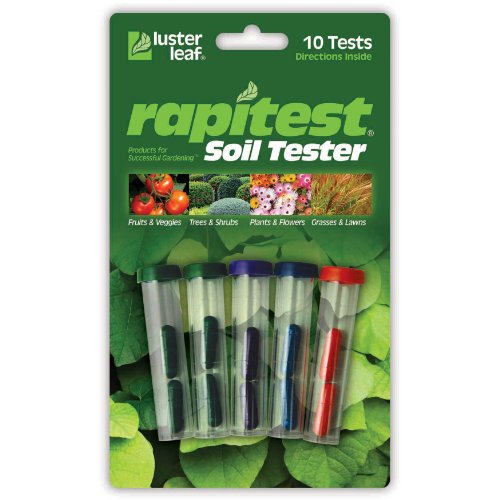
Economical soil test kit for testing soil pH, Nitrogen (N), Phosphorus (P) and Potash (K)
Soil Preparation
Prepare the soil before planting lettuce seeds. Use a garden bed or a container with good drainage. Clear away weeds, rocks, and debris. Mix in compost or well-rotted manure to enhance soil fertility. Aim for a soil pH between 6.0 and 7.0 for the best results. Consider conducting a soil test to determine nutrient levels.
For optimal drainage, loosen the soil to a depth of at least 12 inches. This allows roots to grow freely. If using garden beds, create raised rows or mounds to facilitate water drainage and soil warming.
Sowing Seeds
Sow lettuce seeds directly in your prepared soil. Space seeds about 1 to 2 inches apart. Plant them at a depth of about ¼ to ½ inch. Moist soil encourages germination, so water gently after planting. For optimal germination, maintain light moisture in the soil.
Consider covering the area with a lightweight row cover to protect seeds from pests and harsh weather. Keep the area well-watered but avoid flooding. Expect seeds to germinate within 7 to 14 days, depending on the variety and environmental conditions.
Caring for Lettuce Plants
Caring for lettuce plants involves consistent attention to their watering and fertilization needs. Proper care not only maximizes growth but also enhances the quality of your lettuce.
Watering Requirements
Watering lettuce requires regular moisture without over-saturating the soil. During germination, keep the soil consistently damp but not soaking. As your lettuce matures, water deeply once or twice a week.
- Soil Moisture: Monitor the top inch of soil; if it’s dry, it’s time to water.
- Watering Schedule: Aim for early morning watering to reduce evaporation and fungal diseases.
- Mulching: Apply a layer of straw or leaves around the base of the plants to retain moisture and suppress weeds.
Fertilization Tips
Fertilizing lettuce supports healthy growth and vibrant leaves. Since lettuce has a quick growth cycle, choose fertilizers wisely.
- Starter Fertilizer: Use a balanced fertilizer, such as 10-10-10, when transplanting or thinning seedlings.
- Frequency: Fertilize every three to four weeks with a diluted solution to prevent leaf burn.
- Organic Options: Consider using fish emulsion or liquid kelp as natural fertilizers for added nutrients.
Prioritize these care strategies for robust lettuce plants and a bountiful harvest.
Harvesting Lettuce
Harvesting lettuce at the right time is crucial for ensuring optimal flavor and texture. You can enjoy your homegrown lettuce while it tastes its freshest.
Signs of Readiness
Look for these signs to determine when your lettuce is ready to harvest:
- Leaf Size: Leaves should be large enough to eat, depending on the variety. For leaf lettuce, this typically means leaves are around 4 to 6 inches long.
- Color: Green color indicates freshness. Darker, richer hues often signal peak readiness.
- Firmness: Leaves should feel crisp and firm. If they start to wilt or feel limp, they may be overripe.
- Development: For head varieties, the head should feel tight and firm when gently squeezed.
Check your lettuce regularly, especially in warm weather, as growth can speed up rapidly.
Proper Harvesting Techniques
Follow these techniques for a successful lettuce harvest:
- Use Sharp Tools: A sharp knife or pair of scissors helps make clean cuts, preventing damage to plants.
- Cut Carefully: For leaf lettuce, snip the outer leaves about an inch above the base, leaving the inner leaves to continue growing. For head varieties, cut the head close to the soil.
- Harvest in the Morning: Morning harvesting ensures freshness, as lettuce is crisp and full of moisture.
- Handle Gently: Avoid bruising leaves by handling them gently. Use baskets or cloth bags for transport.
- Refrigerate Quickly: Store harvested lettuce in a cool place or refrigerate immediately to keep it fresh.
By monitoring readiness and using proper techniques, you can enjoy a bountiful and delicious lettuce harvest.
Conclusion
Growing lettuce from seed can be a rewarding experience. With a little patience and care you’ll soon enjoy fresh crisp leaves right from your garden. Remember to keep an eye on your plants as they grow and don’t hesitate to adjust your care routine if needed.
When it’s time to harvest trust your instincts and pick at the peak of freshness. You’ll be amazed at how satisfying it is to enjoy the fruits of your labor. So grab your seeds and get started on this delicious journey. Happy gardening!
Frequently Asked Questions
What types of lettuce can I grow from seed?
You can grow various types of lettuce from seed, including romaine, butterhead, leaf, and iceberg lettuce. Each variety has its unique flavor and texture, allowing you to choose based on your preferences and growing conditions.
How should I prepare the soil for growing lettuce?
To prepare the soil for lettuce, choose a well-draining, nutrient-rich soil with a pH of 6.0 to 6.8. Mix in organic matter, like compost, to enhance soil fertility and texture. Remove weeds and break up any large clumps to create a smooth surface for planting.
When is the best time to sow lettuce seeds?
Lettuce seeds should be sown in early spring or late summer, depending on your climate. Ideally, temperatures should be between 60°F and 70°F for optimal germination and growth. Check local frost dates to avoid chilly weather.
How often should I water my lettuce plants?
Water your lettuce plants consistently to keep the soil moist but not soggy. Aim to water them about 1 inch per week. During hot weather, you may need to water more frequently to prevent wilting and ensure healthy growth.
What type of fertilizer is best for lettuce?
Use a balanced, all-purpose fertilizer with a ratio of 10-10-10 or similar. Apply it during planting and again two weeks after emergence. Organic options like compost or fish emulsion can provide essential nutrients without chemicals.
How can I tell when my lettuce is ready to harvest?
Lettuce is ready to harvest when it reaches a mature size, typically when leaves are full and firm. For leaf varieties, you can harvest outer leaves when they’re about 4-6 inches long. Check for a crisp texture and vibrant color as signs of readiness.
What is the best way to harvest lettuce?
Use sharp scissors or a knife to cut the lettuce at the base, preferably in the morning when temperatures are cooler. This ensures better flavor and crunch. Avoid pulling the plant, as it can damage the roots and affect future growth.
How should I store harvested lettuce to keep it fresh?
Store harvested lettuce in a crisper drawer in the refrigerator, ideally wrapped in a damp paper towel and placed in a plastic bag. Avoid washing the leaves until you’re ready to use them, as excess moisture can cause spoilage.
