

Ever wondered why your carrot seeds didn’t grow as expected? Picture this: you eagerly plant your carrot seeds, only to find them overcrowded and stunted. Frustrating, right? In this article, discover the secret to successful carrot growth – the optimal distance to sow your carrot seeds.
Importance of Proper Seed Spacing
Carrots need room to grow to their full potential. Improper seed spacing can lead to issues like overcrowding, stunted growth, and misshapen roots. Here’s why getting the spacing right is crucial:
- Nutrient Absorption: Proper spacing ensures each plant has access to sufficient nutrients in the soil. Overcrowded plants may compete for essential elements, affecting growth.
- Air Circulation: Adequate spacing allows for good air circulation, reducing the risk of diseases like dampening off, which thrive in humid, crowded conditions.
- Light Exposure: Carrot plants require sunlight to photosynthesize efficiently. Correct spacing prevents plants from shading each other, maximizing light exposure for optimal growth.
- Root Development: When carrots have enough space to grow, they can develop uniformly shaped roots. Crowded plants may twist, fork, or remain undersized due to restricted growth.
- Ease of Maintenance: Properly spaced plants are easier to weed, water, and harvest. Clear spacing simplifies garden maintenance tasks, promoting healthier plants.
- Higher Yields: By providing the right spacing, you can significantly improve your carrot yield. Research shows that carrots planted at the correct distance can yield up to 30% more.
For successful carrot growth, remember that proper seed spacing is key.
Factors to Consider for Carrot Seed Spacing
When deciding how far apart to sow your carrot seeds, there are several essential factors to take into account to ensure optimal growth and maximum yield.
- Variety of Carrot: Different carrot varieties require varying spacing to thrive. Research the specific requirements of the variety you’re planting.
- Soil Quality: Ensure your soil is well-draining and free of obstructions to allow carrots to grow straight and develop properly.
- Sunlight Exposure: Carrots thrive in full sun but can tolerate some shade. Select a planting location that receives adequate sunlight throughout the day.
- Growing Season: Consider the length of your growing season. Carrots typically require 60-80 days to reach maturity.
- Companion Plants: Planting carrots alongside compatible companions can help maximize space and assist in pest control. Consider pairing them with onions, leeks, or radishes.
By carefully considering these factors, you can determine the optimal spacing for your carrot seeds and set the stage for a successful growing season.
Recommended Carrot Seed Spacing
When determining the optimal spacing for carrot seeds, consider the following factors to maximize growth and yield:
- Variety of Carrot: Different types of carrots require different spacing. For instance, Nantes carrots need about 1-2 inches between seeds, while Imperator carrots necessitate 3-4 inches.
- Soil Quality: Ensure your soil is loose and well-draining. Compacted soil can inhibit root development, affecting carrot size and shape.
- Sunlight Exposure: Carrots thrive in full sun. Plant them in an area that receives 6-8 hours of sunlight daily for best results.
- Growing Season Length: Depending on the carrot variety, the time to maturity can vary. Always check the seed packet for specific information on days to maturity.
- Companion Plants: Consider planting companion plants like garlic, onions, or leeks around your carrots to deter pests and promote growth.
With these factors in mind, you can determine the most suitable spacing for your carrot seeds, setting the stage for a successful growing season.
Recommended Products

HELPING YOU GARDEN BETTER: Get ready for a huge harvest from your vegetable garden! Inspired by the Square Foot Gardening method, our patented seed-spacing template is fun for all ages and experience levels.

Precise Spacing for Better Growth - This seed spacers planting tool helps you mark evenly spaced seed positions and straight planting rows, giving plants more consistent room to grow while improving garden organization and reducing guesswork.

Precise Planting Measurement: The foldable plant ruler is designed to provide precise measurements for seed spacing, ensuring optimal growth for a variety of vegetables including carrots, tomatoes, peas, potatoes, and cabbage.
Techniques for Sowing Carrot Seeds at the Right Distance
When sowing carrot seeds, ensuring the right distance is crucial for their healthy development. Here are some techniques to help you achieve optimal spacing:
- Thin Out Seeds: After planting, thin the seedlings to the recommended distance to prevent overcrowding.
- Use Seed Tapes: Consider using seed tapes as they come with pre-spaced seeds, making it easier to sow at the correct distance.
- Mark Rows: Create clear rows with markers to guide the seed placement, ensuring uniform spacing.
- Consider Companion Planting: Pairing carrots with companion plants like garlic not only deters pests but also aids in spacing as a natural barrier.
Remember, the right spacing fosters healthy roots and overall plant growth.
Recommended Products
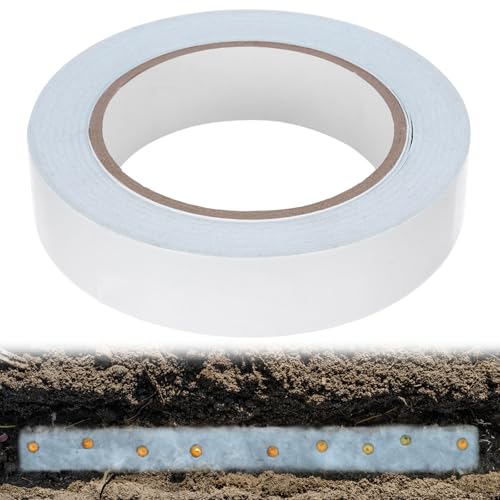
Simplify Planting with Pre-Spaced: This innovative seed tape comes with seeds embedded at optimal intervals. Just unroll, place in your garden bed, cover with soil, and water. It removes the guesswork and tedious task of manually spacing tiny seeds, giving your plants the room they need to thrive.

True Gourmet Baby Carrots: Unlike shaved-down grocery store versions, Little Finger is a true miniature carrot bred for size and taste. Each root grows to about 4 inches long, with a blunt tip and sweet, crisp flavor—ideal for roasting whole or serving with elegant greens intact.
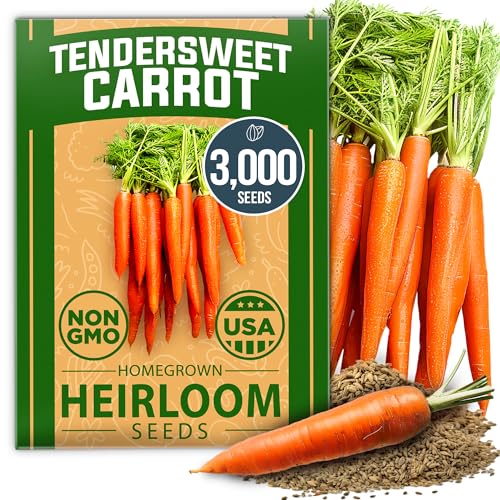
Premium Tendersweet Carrot Seeds: Authentic Open-Pollinated Premium Heirloom Seeds (USA) Non-GMO, Untreated, High Germination Rate. Phenomenal dessert Brix profile. High-impact carotene energy. An outstanding orange monolith for open ground, high ridges, and patio containers. Your garden bed is your pride.
Ensuring Successful Carrot Growth
When sowing carrot seeds, the distance between each seed plays a crucial role in their growth. Proper spacing ensures that each carrot has enough room to develop fully. Here are some tips to help you achieve successful carrot growth:
- Thin out the seeds: After sowing the seeds, thin them out by removing some to ensure the remaining ones have enough space to thrive.
- Use seed tapes: Consider using seed tapes for pre-spaced seeds. This helps maintain the ideal distance between each seed, making the thinning process easier.
- Mark rows: To achieve uniform spacing, mark rows in your garden before sowing the seeds. This can help you ensure that each seed is sown at the correct distance from the next.
- Companion planting: Think about companion planting carrots with garlic. Garlic can act as a natural pest deterrent and create a barrier that helps with spacing.
Conclusion
Remember, proper spacing is key when sowing carrot seeds. By following the techniques mentioned in the article, you can set your carrots up for success. Thinning out seeds, using seed tapes, marking rows, and considering companion planting with garlic are all strategies to ensure your carrots have the room they need to grow beautifully. With these tips in mind, you’ll be on your way to a bountiful harvest of healthy, thriving carrots. Happy planting!
Frequently Asked Questions
Why is proper spacing important when sowing carrot seeds?
Proper spacing is crucial to avoid overcrowding, allowing each carrot enough room to grow to its full size without competing for resources like water and nutrients.
How should I thin out carrot seedlings after planting?
After planting, thin out carrot seedlings by gently pulling out excess seedlings to create adequate spacing between plants, typically around 2-3 inches apart.
What are seed tapes, and how do they help with spacing carrot seeds?
Seed tapes are pre-spaced strips with seeds placed at appropriate intervals. Using seed tapes ensures accurate seed placement, preventing the need for post-planting thinning and promoting even spacing for optimal growth.
How can I mark rows to maintain uniform spacing while planting carrots?
Mark rows using string or garden markers before sowing carrot seeds to guide planting in straight lines and maintain consistent spacing between rows for organized growth.
Why is companion planting with garlic beneficial for spacing when growing carrots?
Companion planting carrots with garlic acts as a natural spacing barrier, deterring pests and creating a conducive environment for carrots to grow without overcrowding, promoting healthier root development.
