

Are you wondering how far apart to plant lettuce in your raised bed? You’re not alone! Many gardeners face this dilemma, especially when trying to maximize their harvest while ensuring each plant has enough room to thrive.
Key Takeaways
- Understanding Lettuce Varieties: Different types of lettuce require varied spacing; head lettuce should be spaced 12 to 18 inches apart, while leaf lettuce can be closer at 6 to 12 inches.
- Planning Your Raised Bed: Choose a well-drained location with full sun for at least six hours a day to promote healthy growth and avoid overcrowding.
- Soil Preparation: Enrich your soil with organic matter and ensure it’s loose and well-draining to support healthy root development.
- Row vs. Square Foot Gardening: Use rows for traditional gardening with specific spacing, or consider square foot gardening for denser planting of leaf lettuce while maintaining growth potential.
- Soil Quality and Conditions: Well-draining, nutrient-rich soil and proper sunlight are crucial; adjust your planting distance based on soil type and temperature for optimal growth.
Understanding Lettuce Varieties
Understanding the different varieties of lettuce helps in determining optimal planting distances for a raised bed. Lettuce types vary in size and growth habits, impacting how far apart you should space them.
Recommended Products

Precise Spacing for Better Growth - This seed spacers planting tool helps you mark evenly spaced seed positions and straight planting rows, giving plants more consistent room to grow while improving garden organization and reducing guesswork.

Precise Planting Measurement: The foldable plant ruler is designed to provide precise measurements for seed spacing, ensuring optimal growth for a variety of vegetables including carrots, tomatoes, peas, potatoes, and cabbage.

NATURAL WOOD CONSTRUCTION: This seed planting ruler is crafted from solid natural wood, offering a sturdy and reliable garden tool built to last.
Head Lettuce
Head lettuce forms compact, round-shaped heads. Space these plants 12 to 18 inches apart to allow proper airflow and growth. For example, if you’re planting Butterhead varieties, placing them 12 inches apart yields healthy heads. Planting head lettuce too close can lead to a lack of space for leaves to mature properly.
Leaf Lettuce
Leaf lettuce grows in loose clusters rather than forming heads. Space these plants about 6 to 12 inches apart. For instance, if you choose loose-leaf types like Red Romaine, you can position them closer together at around 6 inches. This closer spacing promotes leafy growth, ideal for quick harvesting. Thin out plants if they become overcrowded to ensure adequate light penetration.
Romaine Lettuce
Romaine lettuce, known for its tall, upright shape, needs more space than leaf lettuce. Position romaine plants 12 to 18 inches apart. For example, if you plant a variety like Paris Island, allowing this space ensures each plant has enough room to grow tall and healthy. Crowding romaine may result in leafy plants that fail to develop fully, affecting the overall harvest.
Planning Your Raised Bed
Planning your raised bed involves selecting the best location and preparing the soil effectively. These steps lay the foundation for healthy lettuce growth.
Recommended Products
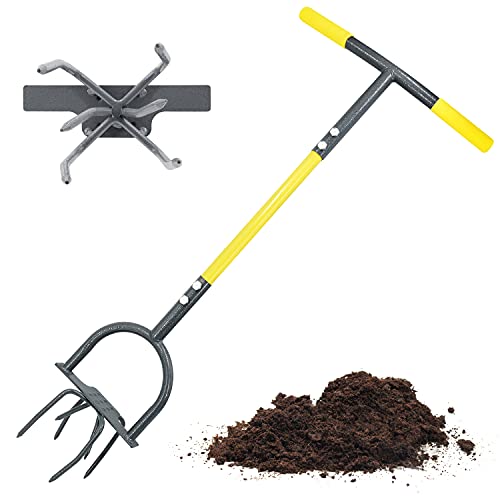
【Anti-Slip Foot Plate - Penetrate Soil with One Tread】- This manual hand tiller comes with anti-slip foot plate, maximize downward force of treading and penetrate into soil easily. The curved handle and long design reduce twisting effort and back strain, ideal for seniors or anyone with joint strain

FOR USE: Ideal for raised garden beds and outdoor containers.

Choosing the Right Location
Choosing the right location for your raised bed is crucial. Look for a spot that receives full sun for at least six hours a day. If you can’t find full sun, consider a location with partial shade, which can help prevent bolting in hot weather. Keep your bed accessible for easy watering and maintenance.
Preparing the Soil
Preparing the soil ensures your lettuce plants thrive. Start by removing any weeds and debris from the area. Use a garden fork to loosen the soil to a depth of 12 inches. Mix in organic matter, such as compost or well-rotted manure, to enrich the soil with nutrients. Aim for a loose, well-draining texture that retains moisture without becoming compact. This technique encourages healthy root development and supports better growth.
Recommended Spacing for Lettuce
Proper spacing maximizes your lettuce harvest while ensuring each plant thrives. Here’s a detailed look at the best practices for planting lettuce in a raised bed.
Recommended Products
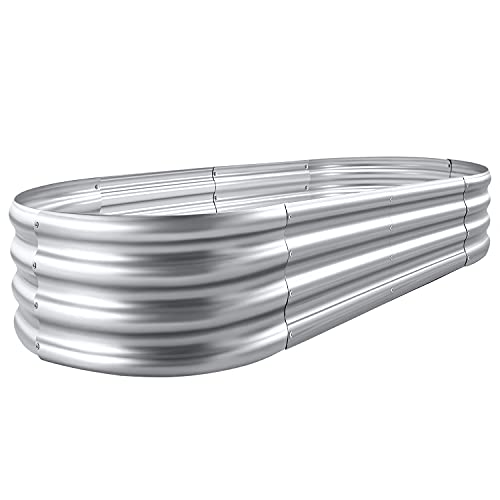
Each raised metal garden bed size: 4×2×1ft ,7.14Cu

High-Quality PE Material with Drainage Hole: Crafted from durable and flexible PE material, these grow bags are built to withstand outdoor conditions without cracking. The bottom drainage hole provides essential airflow to roots and prevent overwatering and root rot, ensuring your plants thrive in a well-aerated environment.

🥬 Classic Romaine Lettuce Variety: Parris Island Cos Romaine Lettuce produces tall, upright heads with crisp green leaves and sturdy ribs. The productive plants grow quickly and form compact romaine heads that are easy to harvest. A dependable choice for backyard vegetable gardens, raised beds, and container plantings.
Rows vs. Square Foot Gardening
Rows work well for traditional gardening, allowing for easy access and maintenance. Space head lettuce 12 to 18 inches apart in rows for optimal growth. For leaf lettuce, reduce the spacing to 6 to 12 inches. With square foot gardening, divide the bed into square sections. You can plant 4 leaf lettuce plants or 1 head lettuce plant per square foot. This method encourages a denser planting approach while still maximizing growth potential.
Tight Planting vs. Spacing for Growth
Tight planting can lead to quicker harvests, but balance is key. Leaf lettuce thrives when spaced 6 to 12 inches apart; dense planting encourages rapid growth but can create competition for nutrients. For romaine or head lettuce, stick with the 12 to 18-inch spacing to prevent overcrowding. Remember, healthy plants develop better flavor and larger leaves when they have adequate room for airflow and sunlight. Adjust your planting based on expected growth habits for each variety to achieve the best results.
Factors Affecting Lettuce Spacing
Spacing for lettuce depends on several factors, including soil quality and sunlight or temperature conditions. These elements influence how well your lettuce grows and how closely you can plant them.
Soil Quality
Soil quality directly impacts lettuce spacing. You need well-draining soil rich in organic matter. If your soil is compacted, it restricts root growth and necessitates more space between plants. Aim for a soil pH between 6.0 and 7.0 for optimal nutrient uptake.
- Loamy Soil: Provides excellent drainage and aeration, allowing closer spacing.
- Sandy Soil: Drains quickly, supports tighter planting but may require more frequent watering.
- Clay Soil: Retains moisture, but compaction may necessitate wider spacing.
Incorporating compost can improve soil texture, offering better conditions for closer planting.
Sunlight and Temperature
Sunlight and temperature play crucial roles in determining how far apart to plant your lettuce. Lettuce thrives in cooler temperatures, ideally between 60°F and 70°F. Excessive heat can cause bolting.
- Sunlight Requirements: Lettuce needs at least 6 hours of sunlight daily. In full sun, consider spacing plants at the wider end of the range to prevent overheating.
- Shade: If you experience hot summers, provide partial shade to prolong growth. Tighter spacing may be feasible in shaded areas, as the plants won’t compete as intensely for light.
Understanding these conditions helps you adjust spacing for optimal growth, ensuring healthy, flavorful lettuce.
Conclusion
Getting the spacing right for your lettuce in a raised bed can make all the difference. By considering the type of lettuce you’re planting and the specific conditions in your garden you can ensure healthy growth and a bountiful harvest.
Don’t forget to keep an eye on soil quality and the amount of sunlight your plants receive. With a little attention to detail you’ll enjoy delicious, fresh lettuce throughout the growing season. Happy gardening!
Frequently Asked Questions
What are the recommended spacing requirements for head lettuce in a raised bed?
Head lettuce typically requires about 12 to 18 inches of space between each plant in a raised bed. This spacing allows for adequate growth and airflow, ensuring healthy heads.
How far apart should leaf lettuce be planted?
Leaf lettuce should be spaced about 6 to 12 inches apart in a raised bed. This closer spacing promotes rapid growth and makes it easier to harvest leaves without disturbing neighboring plants.
What spacing is ideal for romaine lettuce?
Romaine lettuce needs spacing of around 12 to 18 inches between each plant. This distance helps each romaine head develop properly without overcrowding, ensuring robust growth.
How does soil quality affect lettuce spacing?
Soil quality significantly impacts lettuce spacing. Loose, nutrient-rich soil encourages better root growth, which may allow for slightly closer spacing. Poor soil conditions may require greater distances to prevent competition for resources.
Why is sunlight important for lettuce growth?
Sunlight is crucial for lettuce as it affects photosynthesis and overall growth. Lettuce thrives in full sun, needing at least 6 hours of sunlight daily. Proper light exposure also influences optimal spacing for healthy plants.
How do temperature conditions affect lettuce spacing?
Lettuce grows best in cooler temperatures, around 60 to 70°F. Hot temperatures can cause rapid bolting, which may necessitate adjusting spacing to ensure adequate airflow and light penetration for stressed plants.
